Abbey Road Studios
HOW ABBEY ROAD STUDIOS LEFT ITS LANE
Opened in 1931 for recording music, Abbey Road now spans film, technology and the future of sound.
Abbey Road opened in 1931 as the world’s first purpose-built recording studio, with Sir Edward Elgar conducting the London Symphony Orchestra at its opening. What followed made the building synonymous with recorded music – from classical performances to The Beatles, Pink Floyd, Radiohead, Adele and generations of artists in between.
But Abbey Road has never simply been a place where music gets recorded.
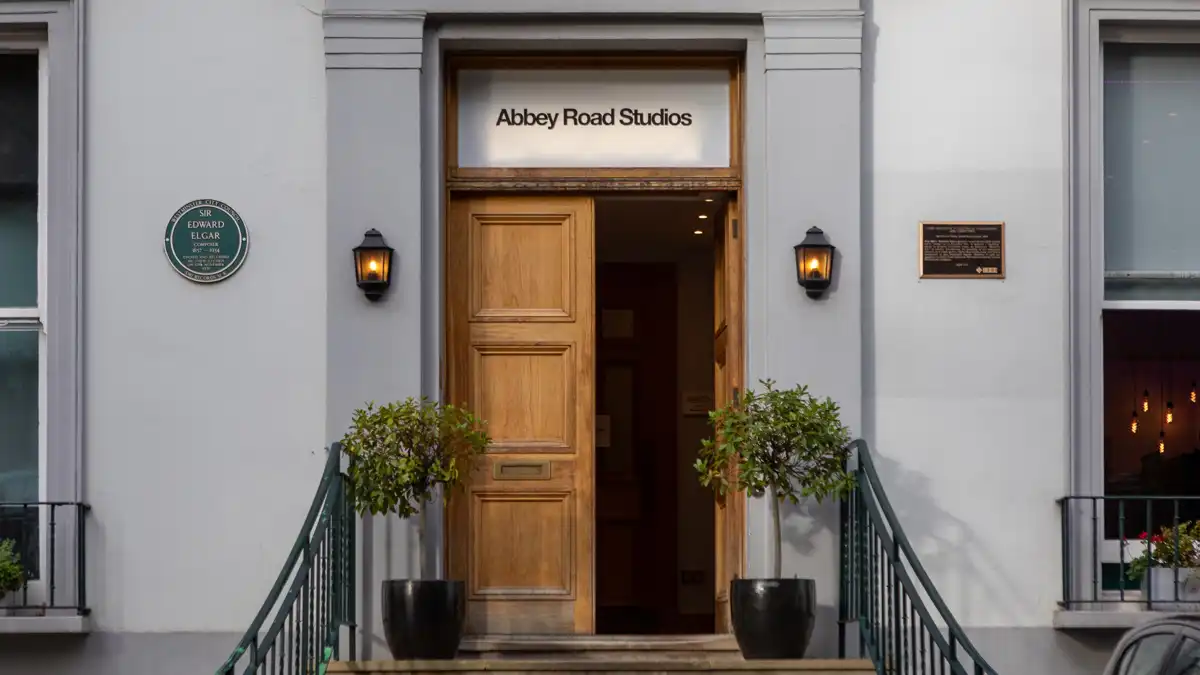
Its engineers helped pioneer stereo and developed recording technology and techniques in response to what artists wanted to do next. Artificial Double Tracking was invented here. So were influential REDD recording consoles. The studio became as much a place for experimenting with sound as capturing it.
That instinct has kept pushing Abbey Road into new territory. Studio One became a home for major film scores, from Raiders of the Lost Ark onwards. New spaces have brought recording within reach of more artists, while its film facilities extend into Dolby Atmos mixing and post-production. Abbey Road REDD continues the same tradition through music-tech incubation and research into new ways of making music.
That combination of heritage and experimentation is what makes Abbey Road such a natural fit for Future Forum.
Abbey Road never stopped being a recording studio. It simply kept expanding what a recording studio could be.
Abbey Road Studios At our Events

Flagship Event 2026
Three days of focused discussion, cross-sector sessions, hands-on studios and unforgettable gatherings.