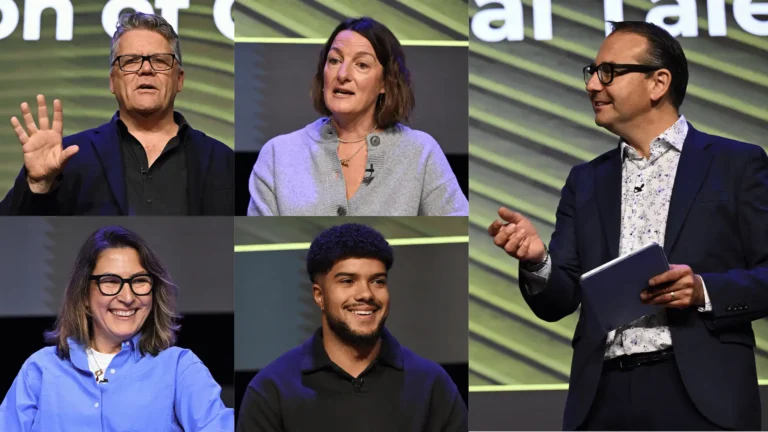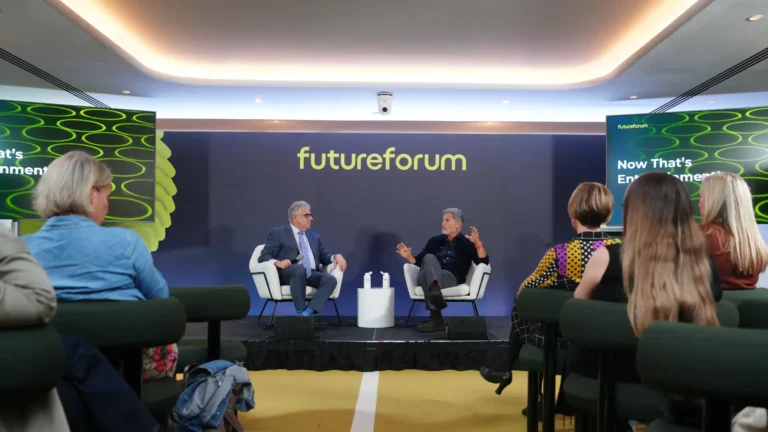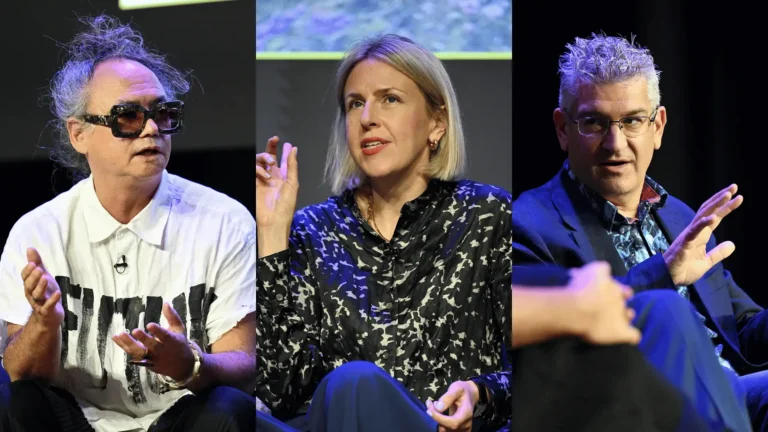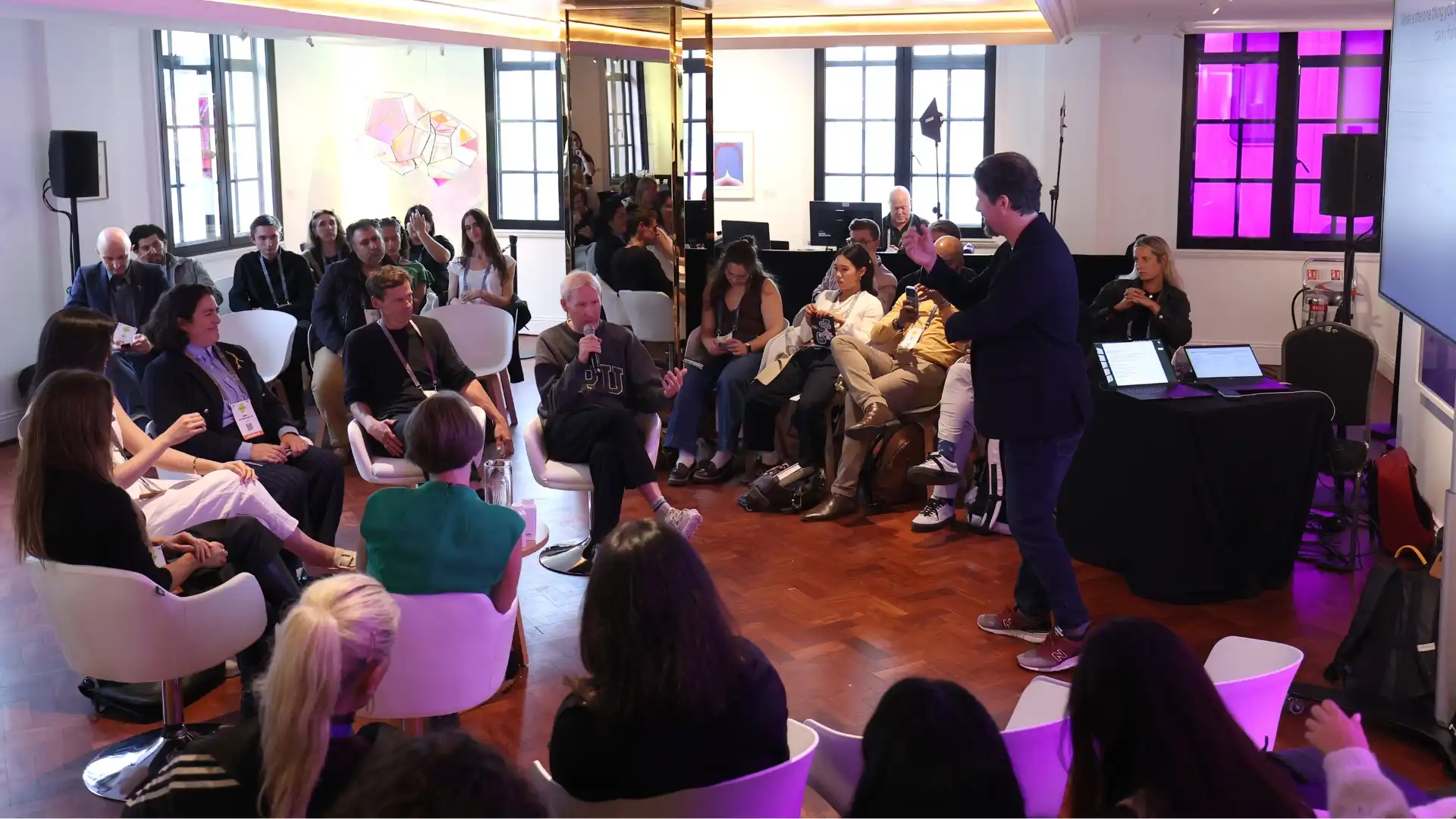
When anyone can make anything, what’s still worth making? Collaboration Architect Georgi Kamov put this question to six creative leaders in a Future Forum Circle exploring creativity in an age of abundance. Here are their takeaways.
1. It’s about connection
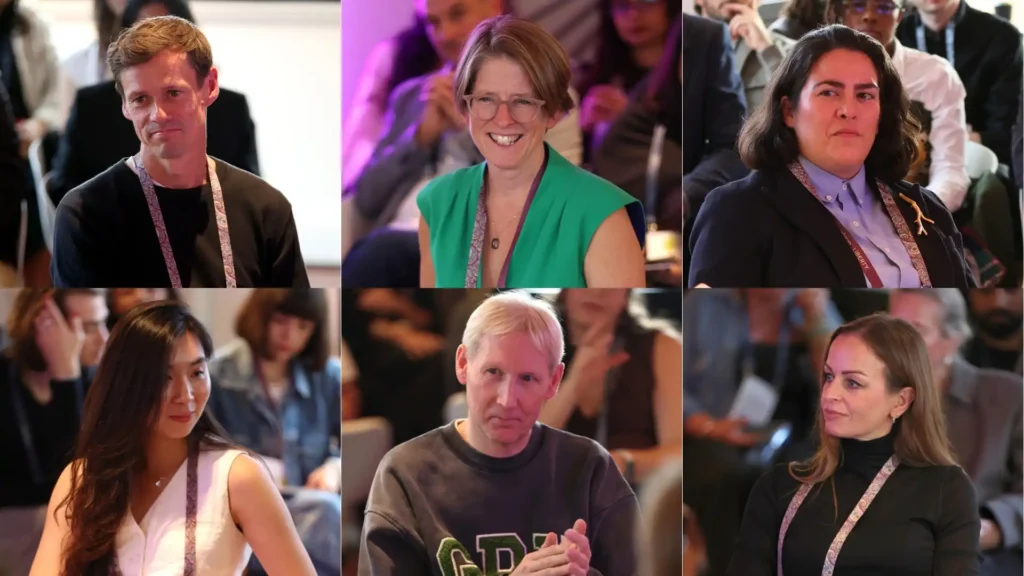
Xuehan Jiang, Founder and CEO of Primordial, says that when producing anything becomes so easy with AI, people look at the meaning behind the creation: “Where do I actually connect with the artist, with the story, with the context?”
2. It’s also about the process
Dr Sarah Nicolls, Founder of First Light Pianos and Visiting Senior Research Fellow of Music and Engineering at King’s College London, highlights the “getting lostness” process involved in creating. “The ability to sew things together in your own way feels important for genuinely creating original things.”
3. Human curation cannot be automated
BBC iPlayer’s Kerensa Samanidis warns algorithmic recommendation risks leaving a “creative carcass”. “We have to hang on to human curation and teams that actually understand what links content together.”
4. Intention and effort
Isabel Sierra Gómez de León, Head of EMEA Creative Studio at Adobe, says that the intentionality behind a creation is what drives its value. “Even if just one person likes something that you make, that’s worth it, right?”
5. It’s about emotions
Matthew Drinkwater, Head of Innovation Agency at the London College of Fashion, believes the industry is about emotions and driving how people feel about themselves and the world around them: “Whether that’s a piece of music that makes you cry or that TV show that you fall in love with.”
6. Creativity for giving back
Ingenuity and creativity for giving back to the community is also hugely enriching and valuable, says Alex Wills, Co-Founder of Interval. “That’s hugely enriching and valuable and we need more of that.”
7. Not everyone needs to be a creator
Importantly, having access to creation tools doesn’t mean that everyone should be pressured into becoming a creator. “People have different skills,” says Dr Nicolls. “People are different, which is great. Some will be better at analysing. Not everyone needs to be a creator.”
Related podcasts
What Should Young People Change About Education? | The BRIT School Students Shaping Their Future
What happens when young creatives are given the freedom to explore, collaborate and find their own voice? In this special edition of TOMORROW: The Future Forum podcast, Oli Barrett MBE speaks with BRIT School students Jaden and Annie about creativity, education, ambition and the future they want to help…
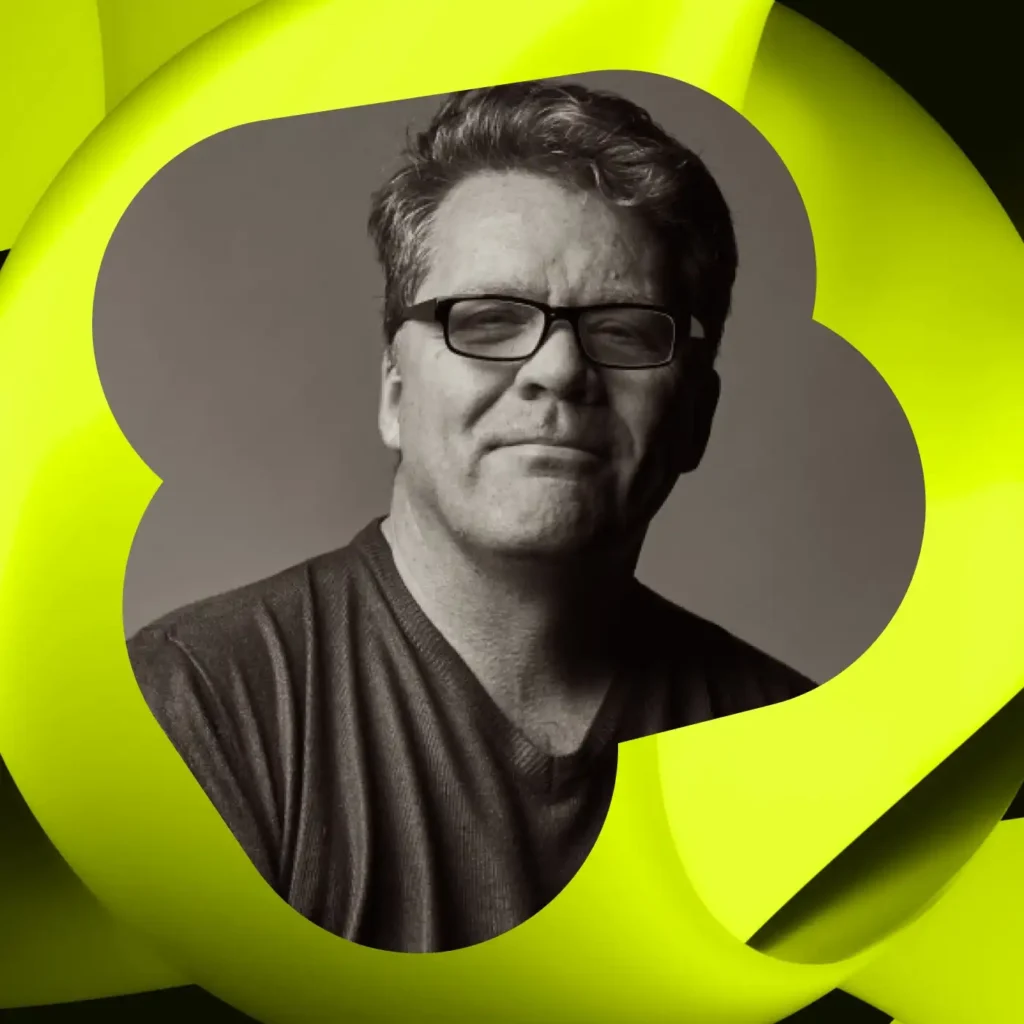
The Future Needs Original Thinkers | Stuart Worden OBE on Curiosity, Creativity & Ambition
What can the BRIT School teach us about the future of education, creativity, leadership and work? In this episode of Future Forum, Oli Barrett MBE is joined by Stuart Worden OBE, Principal of the BRIT School, to explore what it takes to develop original thinkers in a rapidly changing world.…
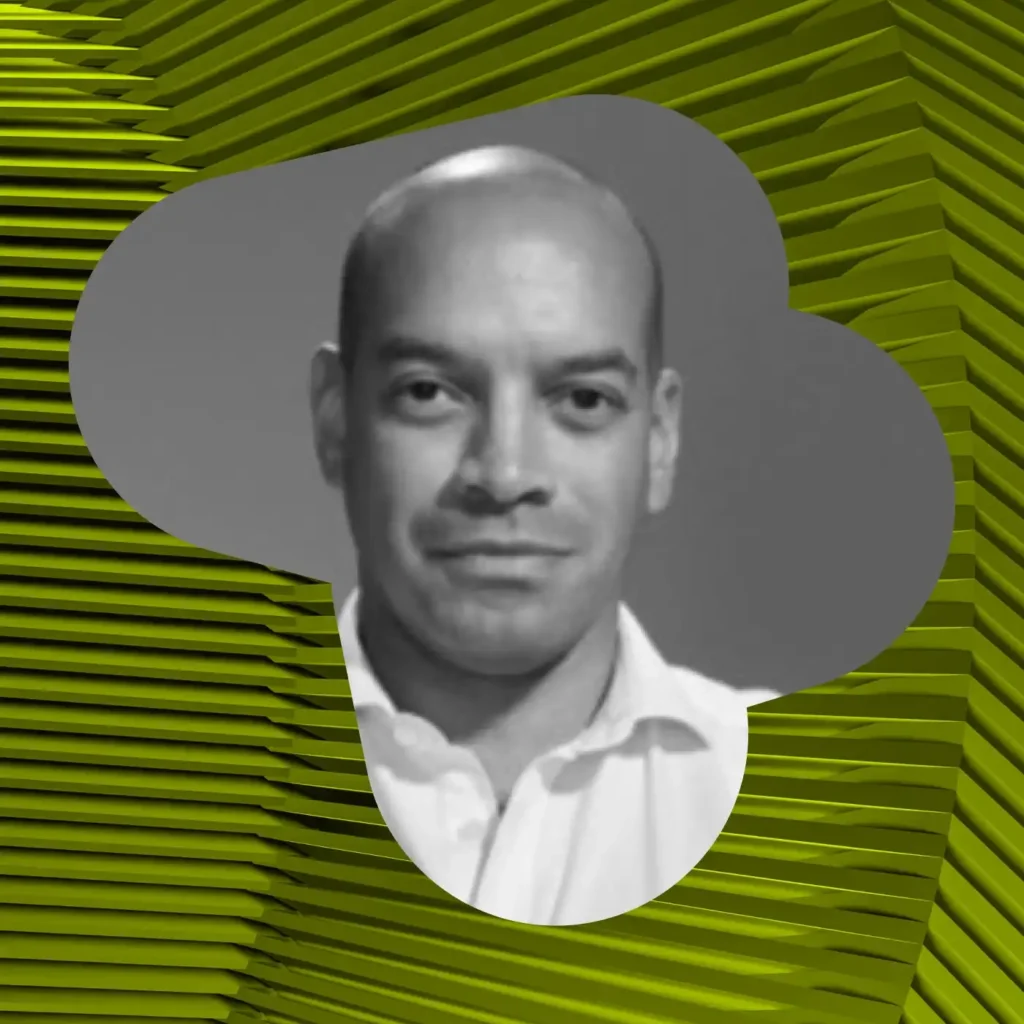
The Future of Creativity: Why AI Won’t Replace Human Imagination with Julian Douglas
What happens when one of the world’s leading creative agency CEOs looks at the future of AI, creativity and human potential? In this episode of Future Forum, Oli Barrett MBE sits down with Julian Douglas (Dougie), Group CEO of VCCP, Chair of UK Advertising and one of the most influential…
Related speakers
-
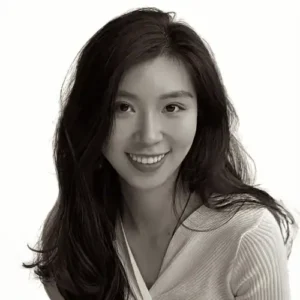
Xuehan Jiang Founder and CEO of Primordial
Xuehan’s profile -
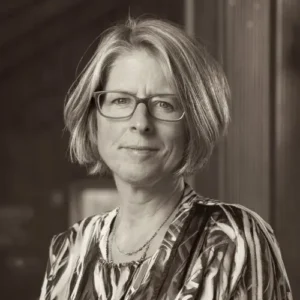
Dr Sarah Nicolls Founder / Visiting Senior Research Fellow of Music and Engineering of First Light Pianos / King’s College London
A concert pianist who found a problem at the keyboard – and decided to redesign the instrument.
Sarah’s profile -
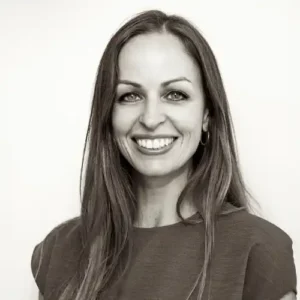
Kerensa Samanidis General Manager of BBC iPlayer
Kerensa’s profile -
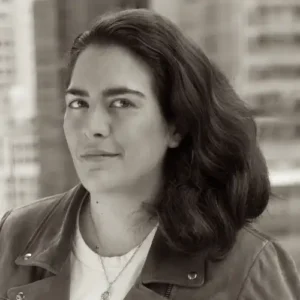
Isabel Sierra Gómez de León Head of EMEA Creative Studio of Adobe
Isabel’s profile