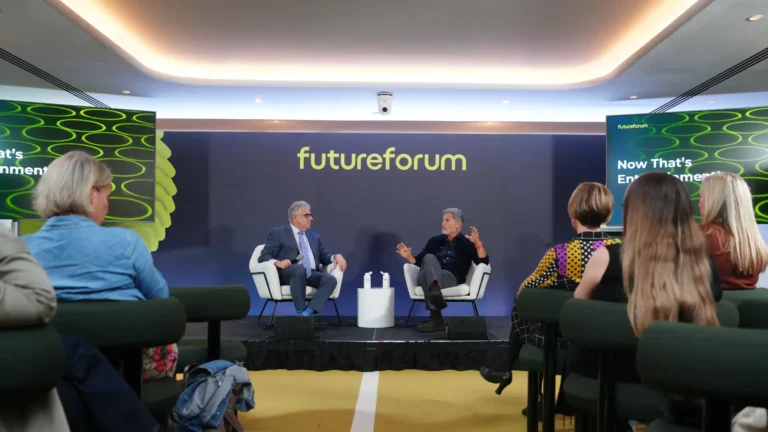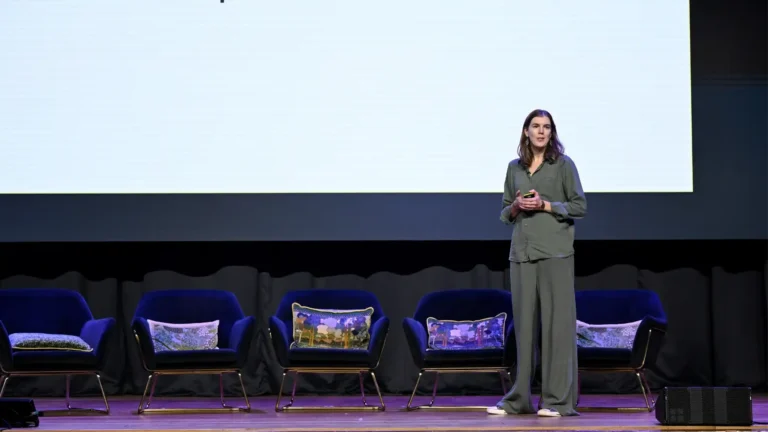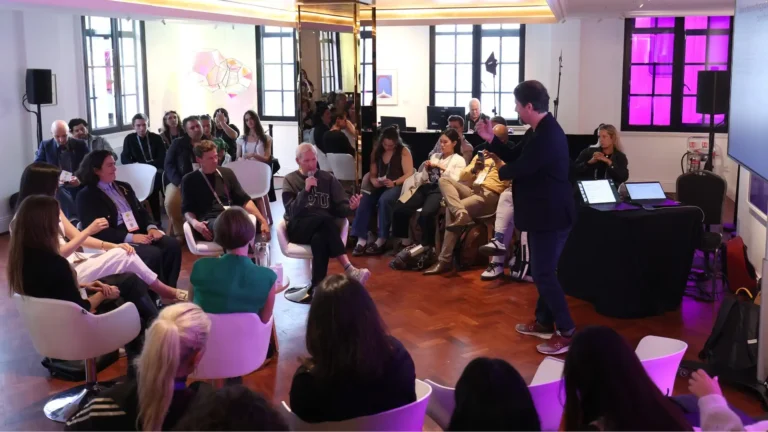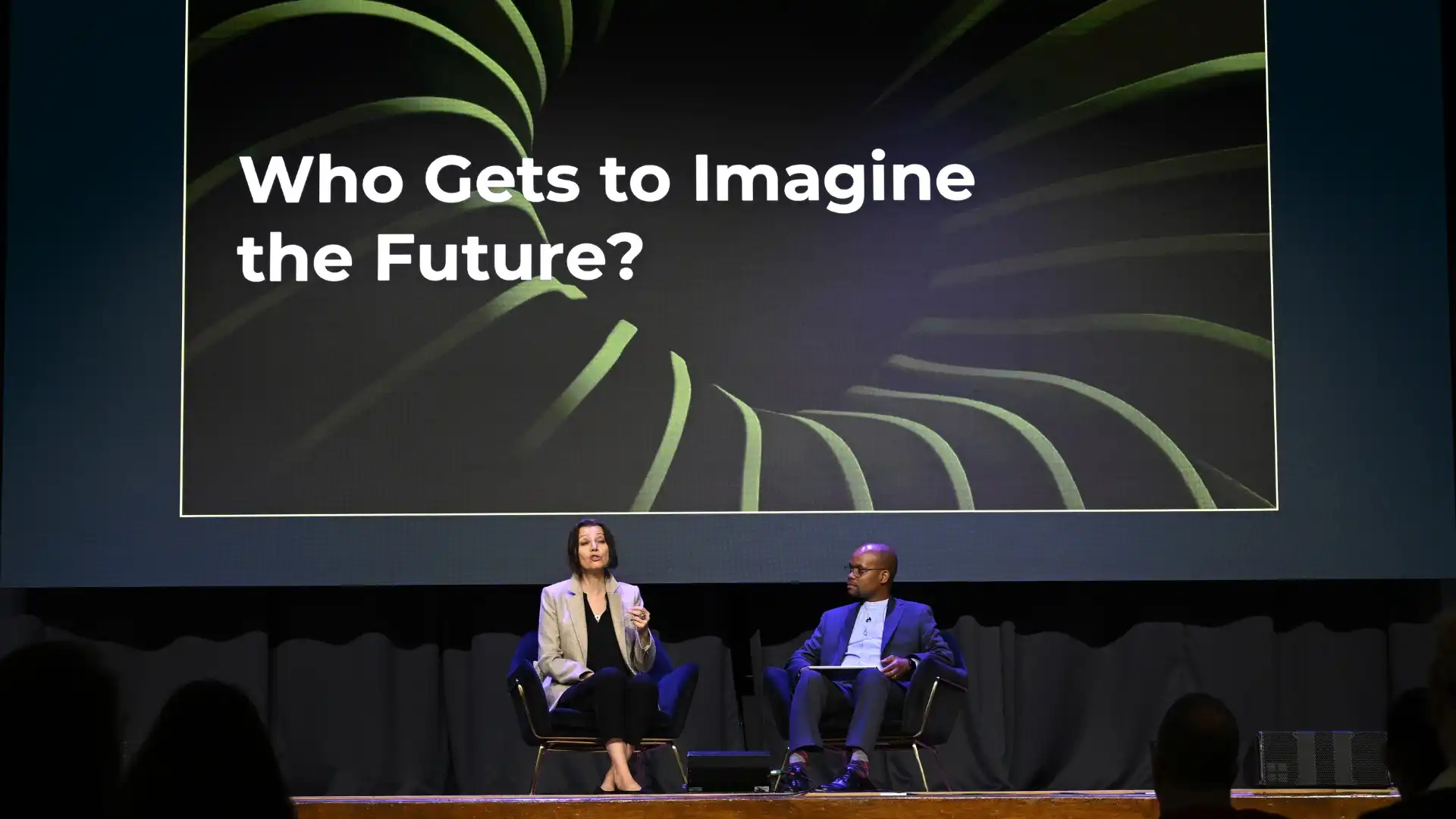
Dr Mbongiseni Buthelezi, chief executive of the Nelson Mandela Foundation – which works on peace, reconciliation, democracy, leadership and human rights – spoke with the Turkish-British novelist Elif Shafak on how imagination, culture and creative courage can challenge accepted ideas and open new possibilities.
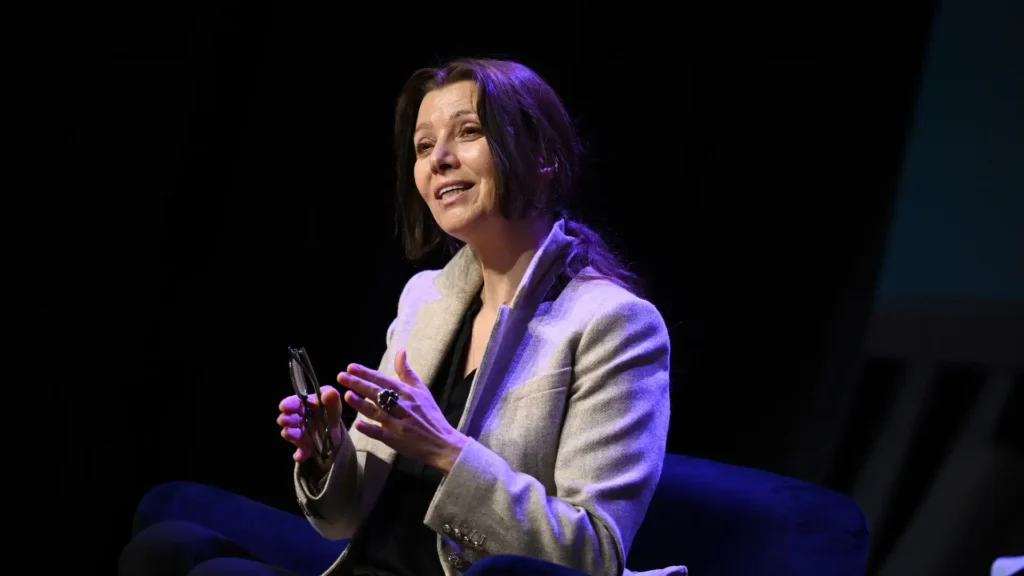
Mbongiseni Buthelezi (MB): Your stories shuttle between pasts not completely finished, troubled presents and futures struggling to emerge. What can the past teach us about the future?
Elif Shafak (ES): We are primarily a storytelling species, but silences also matter. Turkey, despite the Ottoman Empire’s 600-year multilingual history, is a society of collective amnesia. Official narratives omit women – peasant women, prostitutes, concubines – and minorities.
There is no guarantee that we will always be moving in a steady march. Sometimes generations or countries can go backwards. Remembering matters because what we cannot remember, we cannot repair. And what we cannot repair will keep coming back again and again.
MB: In The Island of Missing Trees, families displaced from Cyprus choose not to speak about the past. Can you reflect on those silences and the deliberate decision by some people to forget the past?
ES: Generations respond differently. Elders carry memories unspoken, second generations look forward, while the youngest in these families are today the ones asking questions about not only ancestral heritage… but also family silences.
On the Committee on Missing Persons in Cyprus, volunteers from both sides of the island excavate the disappeared to give the dead a proper burial, the families a possibility for closure, and the communities a chance for healing. This is a subject that has also been very important in South Africa, Guatemala, Chile and Spain after the Civil War.
MB: Looking to the future, what do you see when it comes to rights?
ES: 10 Minutes 38 Seconds in This Strange World tells the story of a murdered sex worker whose mind stays lucid after her heart stops. Scientific studies show that after the human heart has stopped beating, the mind can remain active sometimes for up to 10 minutes, and I wanted to add my own 38 seconds to that.
The novel was inspired by Istanbul’s Cemetery of the Companionless, where human beings are turned into numbers. My instinct as a storyteller was to take at least one of these numbers and to reverse the process. I think literature can rehumanise people who have been dehumanised. Through art, through literature, we gain our voice and we hear each other.
This is an abridged and edited transcript of the Future Forum session ‘How do we imagine a future that is not simply an extension of the present?’
Related podcasts

What Should Young People Change About Education? | The BRIT School Students Shaping Their Future
What happens when young creatives are given the freedom to explore, collaborate and find their own voice? In this special edition of TOMORROW: The Future Forum podcast, Oli Barrett MBE speaks with BRIT School students Jaden and Annie about creativity, education, ambition and the future they want to help…

The Future Needs Original Thinkers | Stuart Worden OBE on Curiosity, Creativity & Ambition
What can the BRIT School teach us about the future of education, creativity, leadership and work? In this episode of Future Forum, Oli Barrett MBE is joined by Stuart Worden OBE, Principal of the BRIT School, to explore what it takes to develop original thinkers in a rapidly changing world.…
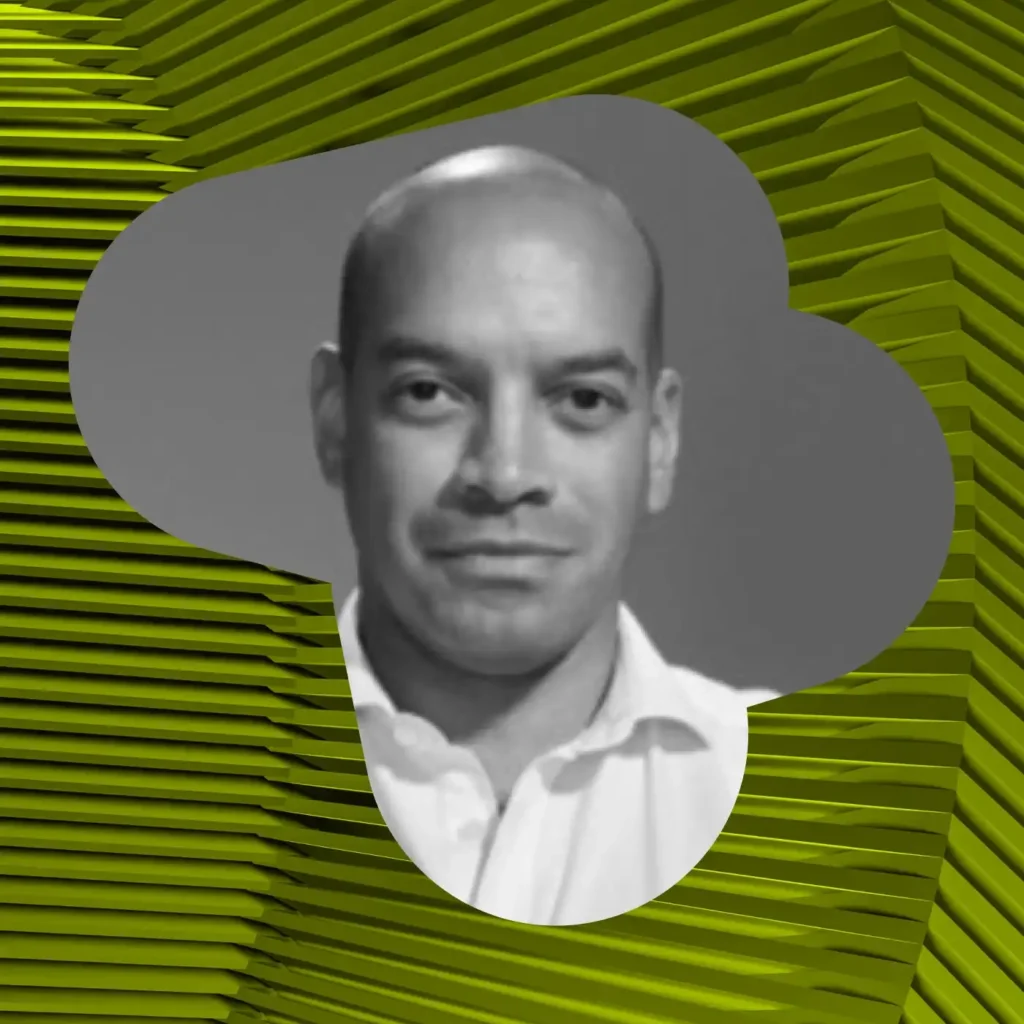
The Future of Creativity: Why AI Won’t Replace Human Imagination with Julian Douglas
What happens when one of the world’s leading creative agency CEOs looks at the future of AI, creativity and human potential? In this episode of Future Forum, Oli Barrett MBE sits down with Julian Douglas (Dougie), Group CEO of VCCP, Chair of UK Advertising and one of the most influential…
Related speakers
-
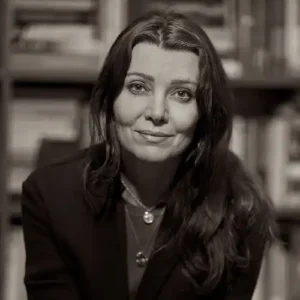
Elif Shafak Novelist and Storyteller
A storyteller who makes the lives pushed to the margins impossible to keep at a distance.
Elif’s profile -
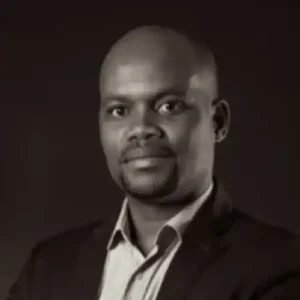
Dr Mbongiseni Buthelezi Chief Executive of Nelson Mandela Foundation
A literary scholar who learned to read institutions as closely as texts.
Mbongiseni’s profile