Can improving lives be separated from extracting more from the planet when greater prosperity usually leads to greater consumption of materials, energy, land and water?
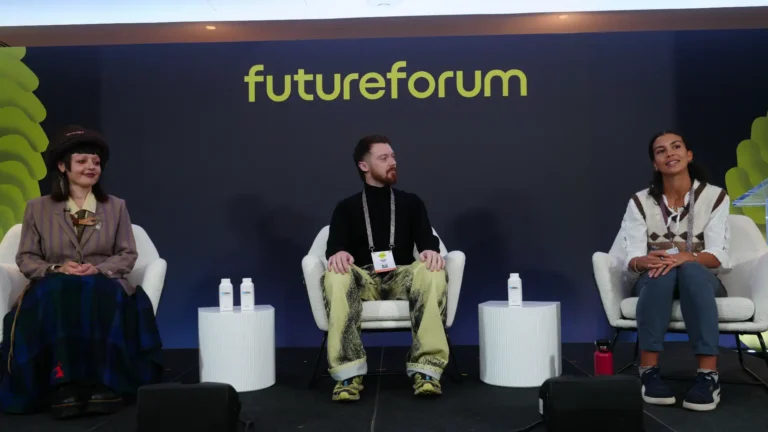
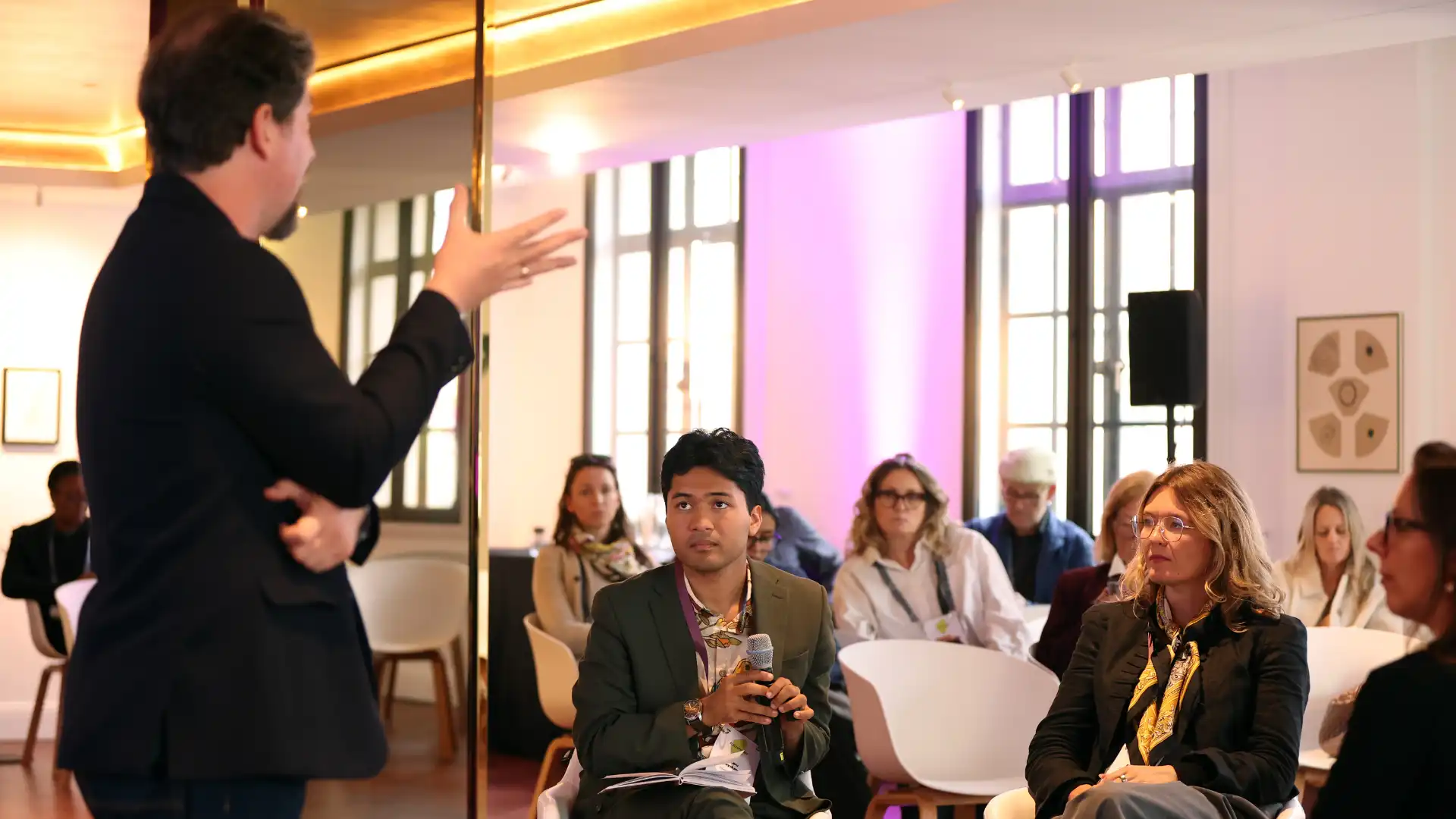
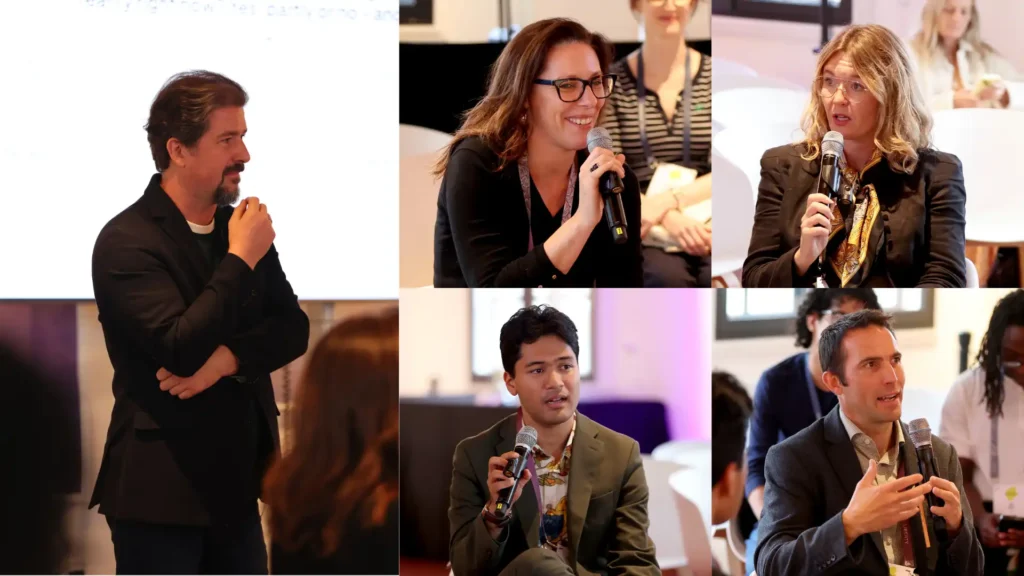
In this Future Forum Circle, Collaboration Architect Georgi Kamov asked four experts what should continue to grow, needs to contract, and whether our ideas of prosperity and progress need to evolve.
Here are a few takeaways…
We are already growing more while taking less – is that the reality right now? Partly or no and why?
The group leaned towards “no”, with Tom Oliver, Professor of Applied Ecology and Associate Pro-Vice-Chancellor for Research (Environment) University of Reading, saying: “Decoupling of economic growth from degradation of nature is mostly wishful thinking. We are using more resources and producing more waste and pollution (cf Jevon’s Paradox).”
Marta Krupinska, CEO and Co-Founder / Chair CUR8 / Youth Business International, shared a similar view: “We’re extracting value from global communities, and a lot more of that growth is benefiting very few people.”
Katherine Zscharnagk, Senior Sustainability Strategist, Forum for the Future, added: “We have the technology to do things differently and we need the systems and political will to make it happen.”
But Hikaru Wakeel Hayakawa, Executive Director, Climate Cardinals, was more upbeat:
“In some service-based economies we’ve been able to reduce emissions and resource use, however, we haven’t changed our basic relationships with the environment and consumption.”
Where have you seen initiatives work and make a difference?
Krupinska said it works where executive renumeration is linked to environmental outcomes. “If you look at companies like Ikea or Mars, they triple revenues and reduce their footprint by 50% by reducing bonuses at the top – if they don’t get results, they don’t get paid.”
If we do this right, how would we see it is working?
Hayakawa envisioned a future in which communities are resilient, businesses take only what is needed: “And we’re good ancestors – leaving behind ecosystems that will thrive for generations.”
Oliver described success as “flourishing nature and flourishing people”, measured not only through biodiversity and ecosystem health, but also through human wellbeing, purpose and joy.”
Krupinska added that improvements would be most visible in communities most exposed to climate change, with rising quality of life and fewer climate-related disasters.
Zscharnagk suggested that truly sustainable progress would transform social norms, urban spaces and economic systems.
People fearful of the future might not engage with it. So, what will make them embrace it?
Krupinska argued that it was important to face facts. “Fear is a difficult place to act from, but how much do we need? Some 36 billion pairs of shoes are made every year globally of which 70% don’t get sold and go straight to landfill – so what would it take for people to say: “I don’t need as many shoes”?
A positive note…
Kamov closed the Circle by reminding us that progress is already happening. From eco-friendly packaging to plastic bag bans, many changes that now feel normal were made possible through collaboration, design innovation and policy decisions. “It is now a fact of life, but it didn’t just happen – so many choices and decisions and regulations have been made to make it work.”
Related podcasts
Can Britain Lead the Renewable Energy Revolution? Jürgen Maier CBE on AI, Energy & Manufacturing
Can Britain become the world’s next clean energy superpower? In this episode of Tomorrow – The Future Forum Podcast, Oli Barrett MBE sits down with Jürgen Maier CBE, Chair of Great British Energy and former CEO of Siemens UK, to explore how renewable energy, AI and advanced manufacturing could reshape…
Inside London’s Innovation Hub | Jodie Eastwood on the Future & Why Curiosity Matters
What happens when AI companies, scientists, universities, cultural institutions and local communities become neighbours? Jodie Eastwood, CEO of London’s Knowledge Quarter, believes some of the world’s biggest problems could be solved by bringing very different worlds together. In this episode of Tomorrow: The Future Forum, Jodie joins Oli Barrett MBE…

Universities Are the UK’s Innovation Engine | Vivienne Stern MBE on AI, Skills & the Future of Work
What will universities become in the age of AI? In this episode of Tomorrow: The Future Forum, Oli Barrett MBE sits down with Vivienne Stern MBE, Chief Executive of Universities UK, to explore how universities, technology and the world of work are changing and what the next decade could look…
Related speakers
-

Marta Krupinska CEO and Co-Founder / Chair of CUR8 / Youth Business International
A fintech founder who moved from moving money to removing carbon – and demanding results from both.
Marta’s profile -
Georgi Kamov Collaboration Architect
A former diplomat who turned the challenge of getting people to agree into a discipline of its own.
Georgi’s profile -

Katherine Zscharnagk Senior Sustainability Strategist of Forum for the Future
Katherine’s profile -
Prof. Tom Oliver Professor of Applied Ecology and Associate Pro-Vice-Chancellor for Research (Environment) of University of Reading
Tom’s profile