From sheep farms to contemporary millinery, a Future Forum conversation explored the challenges facing British wool, the value of craft and why sustainable fashion needs more than a convincing label.
For some British farmers, the price paid for a fleece has struggled to cover the cost of shearing it. At Future Forum, that uncomfortable reality became the starting point for a wider discussion about design, material value and the future of making.
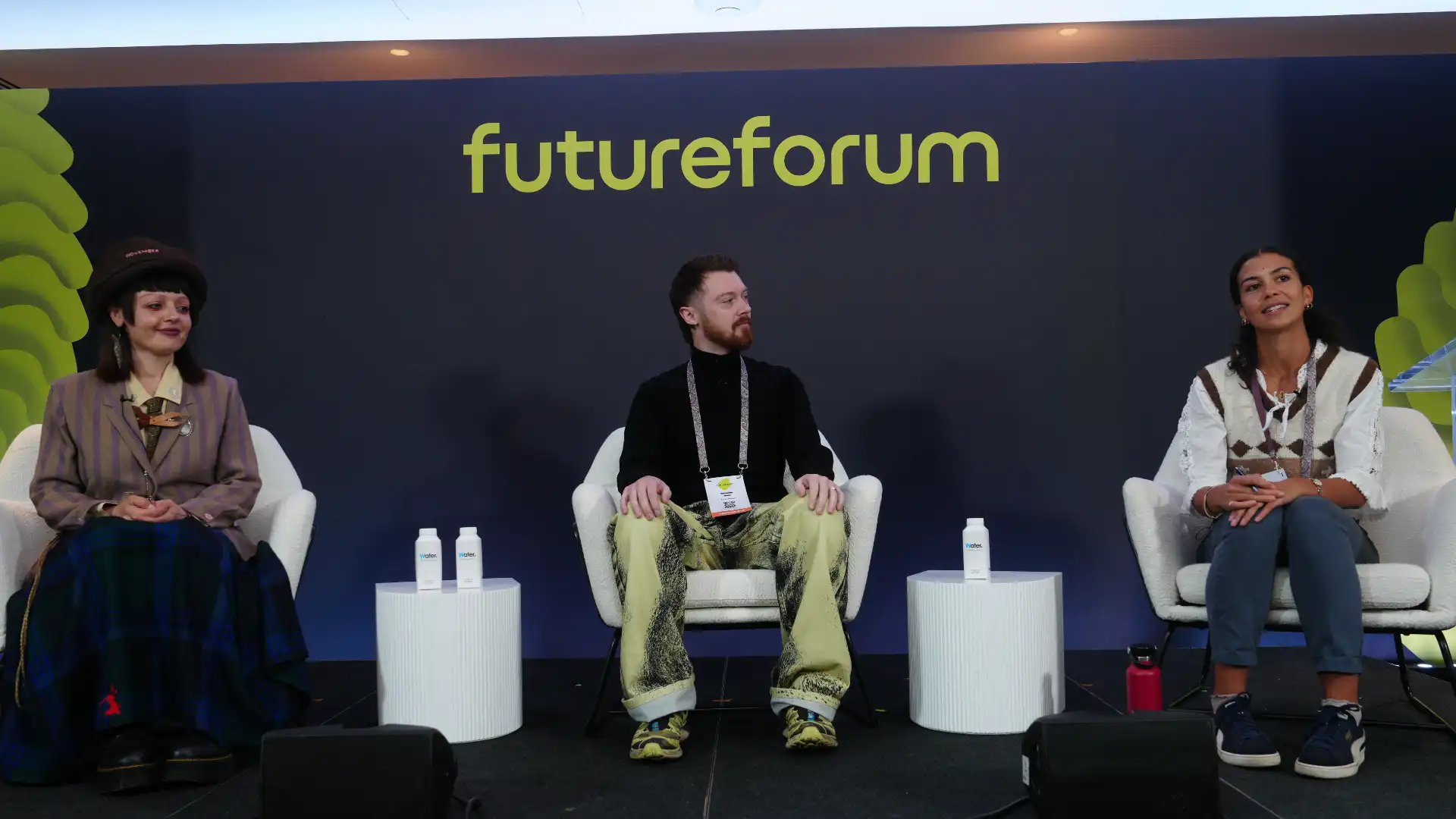
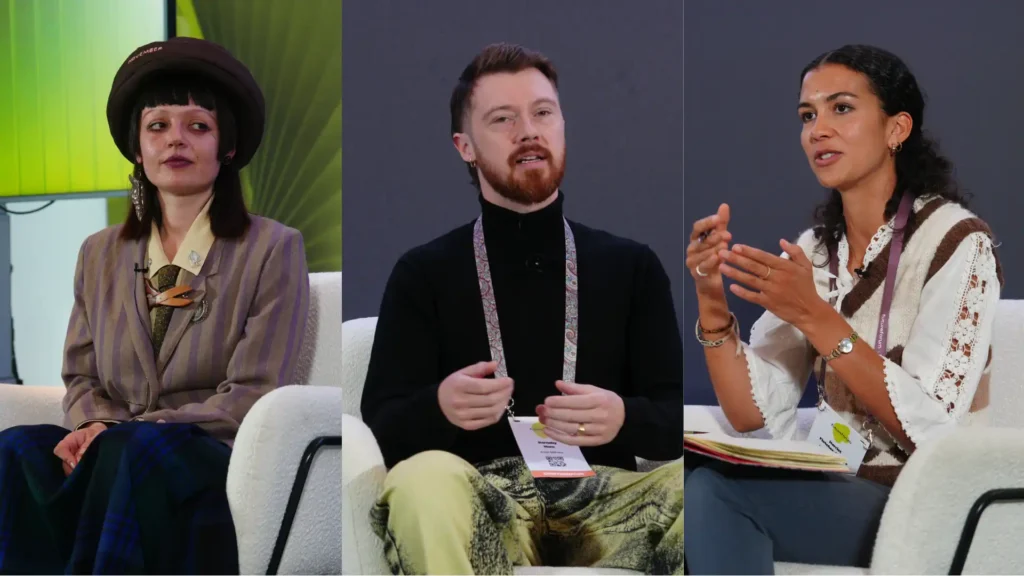
Harriet Fletcher-Gilhuys, a textile researcher from Fashion Roundtable, was joined by Barnaby Horn and Naomi Larh of Artist Milliners, whose work combines traditional skills with contemporary artistic practice.
More than a raw material
The panel argued that how we value textiles depends on knowing where they come from and what goes into making them. A well-crafted object may last for decades and gain emotional meaning through use; its value isn’t captured by comparing its price with a cheaply made alternative.
Artist Milliners described creating hats that can also be experienced as works of art, alongside sharing techniques and widening access to specialist craft skills.
A complicated supply chain
The conversation resisted an easy claim that local materials are always the simplest sustainable choice. Fine millinery felt traditionally relies on wool qualities and processing capabilities that aren’t readily available in the British supply chain.
That raises questions about manufacturing investment, technical education and how businesses can connect farmers, processors and designers.
Participants also discussed product labelling, certification and regulations. The challenge is to make environmental claims understandable and to ensure that policy measures the relevant impacts fairly, rather than rewarding the appearance of sustainability.
Learning from the things we keep
The most memorable contributions were personal. One speaker recalled wearing the same favourite jumper in a passport photograph and years later to an interview. Another described mending and wearing a skirt for around a decade.
These stories connected material durability with identity and care. Buying fewer, longer-lasting things requires an economy in which consumers understand their value and makers can earn a fair living.
Education emerged as another priority. If young people aren’t taught about fibres, tools or the origins of everyday objects, the knowledge needed to reshape these industries becomes harder to sustain.
The question wasn’t simply whether British wool can make a comeback. It was whether craft, policy and industry can work together to rebuild the relationship between what we use, who makes it and the places it comes from.
Related podcasts

The Trillion-Dollar Space Economy Is Just Getting Started | Melissa Quinn on Space & Innovation
What happens when space becomes the next great economic frontier? On this episode of Tomorrow: The Future Forum Podcast, Oli Barrett MBE and Victoria Usher are joined by Melissa Quinn, Senior Director at MDA Space, to explore the rapidly emerging orbital economy — and the huge opportunities and challenges that…

How to Stay Healthier for Longer with Dr Sophia Pathai On The Future of Ageing & Prevention
What if the biggest challenge facing healthcare isn’t helping us live longer—but helping us stay healthier for longer? In this episode of Tomorrow: Future Forum, Oli Barrett MBE is joined by Dr Sophia Pathai, Founder & CEO of AZM, physician, scientist and author of The Longevity Code. Together they explore…

Can Britain Lead the Renewable Energy Revolution? Jürgen Maier CBE on AI, Energy & Manufacturing
Can Britain become the world’s next clean energy superpower? In this episode of Tomorrow – The Future Forum Podcast, Oli Barrett MBE sits down with Jürgen Maier CBE, Chair of Great British Energy and former CEO of Siemens UK, to explore how renewable energy, AI and advanced manufacturing could reshape…
Related speakers
-
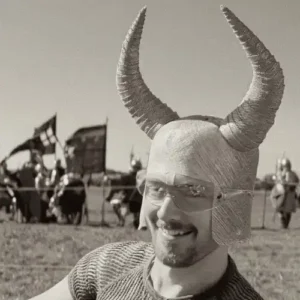
Barnaby Horn Co-Founder of Artist Milliners
A milliner who turned the headpieces he made for drag into a new language for storytelling.
Barnaby’s profile -
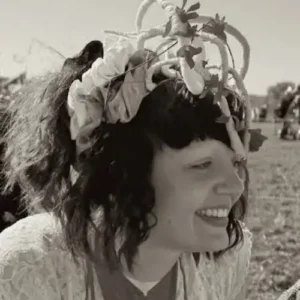
Naomi Larh Co-Founder of Artist Milliners
Naomi’s profile -

Harriet Fletcher-Gilhuys Textiles Researcher of Fashion Roundtable
A textiles researcher who followed fabric backwards – through the supply chain and all the way to the soil.
Harriet’s profile