0:00
The problem we face right now across the world and in some areas more than others is that there’s a gap between health
0:06
span and lifespan. Health is more than just not the absence of disease. It’s living with joy and vitality.
0:13
You could do as much as you like to extend your chronological age, your lifespan. But if it’s spent in ill
0:19
health, it would have be of limited impact. In 2038, I see that healthcare won’t just be seen as prevention and maybe a
0:26
HR benefit. It will actually be seen as critical infrastructure. Healthspan
0:32
deserves a place at the core of business and the core of society.
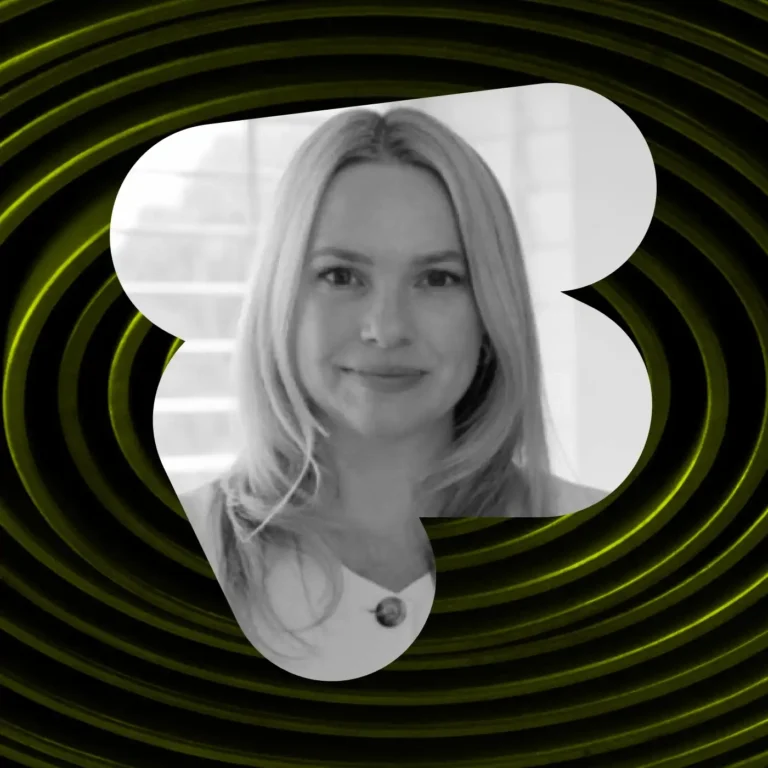
Introducing Dr Sophia Pathai
0:38
Hello and welcome to tomorrow the future forum podcast. I’m Olly Barrett and at
0:44
Future Forum we are all about bringing people together from very different worlds to shape the future together. Our
0:51
guest today is Dr. Safia Patai. She is a physician, a scientist, and an author.
0:59
She wrote the longevity code. And she’s someone who has spent her career thinking about health, thinking about
1:05
aging, and thinking not just about how long we live, but how long we live well.
1:12
So, somebody who can teach us a thing or two about health span, not just lifespan, but also about resilience. Dr.
1:20
Sevilla Patai, welcome to Tomorrow. Hi, Ollie. Thank you so much. Great to be here. Well, so much to unpack. Congratulations
1:27
on the longevity code. We’re going to dive into it. But first of all, Sevilla, we ask all our guests, if you give us a
1:34
glimpse of the future, what do you see? Only let me take you to 2038 and imagine
A vision for healthcare in 2038
1:41
a 42year-old CEO and founder, maybe a founder of a a tech company in Old
1:46
Street. Imagine she’s done a very brutal board meeting and she’s come out of it.
1:52
And as she’s come out of it, she’s looking at her phone and she can look at her health span score. She can
1:57
understand her resilience, her biological age, her metrics that help her to understand how to recover today,
2:05
but also what she needs to do for the future herself in 10 years time to stop her ending up in hospital or having a
2:12
chronic disease. That is way over and above anything that we see right now.
2:17
And it’s provided imagine by her company. And I think that’s the critical change is that in 2038 I see that health
2:24
care won’t just be seen as prevention and maybe HR benefit. It will actually
2:30
be seen as critical infrastructure. Health span deserves a place at the core
2:36
of business and the core of society. And it strikes me Sophia from what you’ve already said there that if we
2:42
were to get that right as a vision then that’s good for that CEO. It’s good for her organization. We’d have our National
2:49
Health Service presumably cheering along uh presumably uh her family of course
2:56
and her in other words the ripple effect of helping one person to live healthier
3:01
for longer is extraordinary. Fully agree and you know Ollie I think sometimes that can be a little
3:06
uncomfortable uh especially for those in health care because we think uh you know maybe as as physicians or healthcare
3:12
providers that we are we own the domain of healthare. I would argue that you know if we glimpse into the future and I
3:19
actually we should start doing this now health care is actually across all of the domains that exist in society it
3:25
doesn’t exist in a vacuum and as we begin to embrace this right that healthcare exists uh from a technology
3:32
perspective uh from governments and building out infrastructure uh even related to climate when we think about
3:38
how healthcare interfaces each of these different domains then we’re truly advancing from reactive healthcare which
3:45
today is quite frankly sick care to a truly forward- facing health span focused state of health.
Healthspan vs lifespan explained
3:51
So let’s just pick up then on that word health span. Dr. Seafir, it’s a word uh
3:56
you’ve used we’ve used already a couple of times. Just help us unpick that definition and why it sits apart
4:03
potentially I think from the other word we’re used to which is longevity. Sure. Well, there’s a few terms there.
4:09
So I think let’s start with longevity. I think this is a term that, you know, is is more and more used every day now. I I
4:15
I call it the the mum test because my mother tends to send me any links on articles about longevity that she’s read
4:22
in the in the in the general press and I get more than one a day now. So, I think people are talking about longevity, but
4:27
it’s kind of intangible. It’s almost aspirational at some level where you see maybe influencers or, you know, uh high
4:35
net worth individuals trying to improve how long they live. So go on to how long
4:40
we live. That is lifespan. So that’s simply the number of years on the clock that your passport tells you when you
4:46
when you look at your birth date. Health span are the number of years that you’re living in good health. And the problem
4:53
we face right now across the world and in some areas more than others is that there’s a gap between health span and
5:01
lifespan. And in some parts of the world, for example, I was in India earlier this morning. In fact, the
5:07
health scout span gap can be anywhere between 10 to 12 years. And it also, you
5:12
know, in parts of uh the USA and the UK, the health span gap is very real. And just imagine, I I’ll just take that to
5:18
like, you know, we talked about this at a very kind of population level. What does it mean for a person? Well, just
5:24
imagine, you know, someone’s worked hard all their life in a in a corporate role. Um, and and they get to, let’s say, 55,
5:31
right? But there we we know that they’ve got years of of poor health span and
5:36
their life expectancy might be somewhere around 70 or 75. Imagine those 20 years
5:43
they are not going to be lived in good health and that has a ripple effect as we’ve mentioned earlier because people
5:48
are unable to do the things they love be that playing golf, lifting their grandchild up or traveling. So you know
5:54
health is health is more than just not the absence of disease. It’s living with joy and vitality. So what we’re saying
6:00
is that this isn’t just referring to um you know the the the developing world if
6:07
I can put it like that. Uh this is something that is affecting uh countries uh across the globe. So in the example
6:14
you’ve given I think I’m right in saying that the average American then is living uh at least 10 years in poor health.
6:20
Correct. Correct. And I think that’s a a shocking indictment of where we are in society thinking about all of the leaps
6:26
and jumps we’ve made uh in technology and science. We’ve still got a lot of work to do. So we’ll come to some of those
6:32
discoveries. But the corollery of all of that is to say that you could do as much as you like to extend your chronological
6:38
age, your lifespan. But if it’s spent in ill health, it will have be of limited impact.
6:43
I think uh impact and purpose. I think you know as as individuals as as human beings we all want to live a life full
6:50
of impact and purpose and I think that becomes increasingly hard when every day is a challenge if it’s you know to walk
6:56
up a flight of stairs uh with the threat of impending diabetes or or cardiovascular disease or you know not
7:03
being able to you know hang out with your friends in the pub. So I think you know it is a shame it’s if you know you
7:09
can’t live those years and I have a you know a good friend who’s um South African I think they live very robust
7:15
lives he said to me well what’s the you know what’s the point of living uh you know in a in a way that you don’t care
7:21
about in your early years only to know that you know in your later years it’s suddenly going to dwindle and dwindle
7:27
dwindle and then you’re kind of a sideways swing into your 90s and it’s all over. So it’s really putting that
7:32
that capital or like you would an investment building those capital blocks and health span early on so you can reap
7:38
the benefits throughout the your life and not just for you but for your family and friends as well. I want to get quite practical about this
What resilience really means
7:44
because well it affects every single one of us. Uh before I do I just want to insert one other word because if I think
7:50
about what you’re doing at the moment you’re CEO of AZM Azam which is a I’ve
7:55
noticed a health span but also resilience platform. So where does resilience come into this?
8:00
that well this is really what I’ve been thinking about for a number of years you know as you know I was um vice president
8:06
he evolution foundation which is I think the largest philanthropic organization devoted to improving health span for all
8:13
um you know from that thinking and from my experience you know it’s one thing to
8:18
talk about living years healthier and longer but what are the upstream determinants of of health right what’s
8:25
happening in the biology the 12 to 24 months before someone has even a sign of
8:31
disease. You know, when someone comes and gets di diagnosed with diabetes by using the HBA1 AC test, the blood test,
8:38
the fingerprint test, it’s not just that day they developed diabetes, right?
8:43
There’s a whole lot of biology that’s been deranged under the hood. And how do we measure that? Well, that is
8:50
resilience. It’s thinking about how at the biological level we can perform,
8:56
adapt, and then recover. And in fact it was a British engineer who coined this term u when he was looking at the
9:02
properties of timber. Um and so I think at some level we all understand what resilience means. We talk about
9:08
resilient communities after tragedies. If someone has a a personal relationship
9:13
breakup we we might say that individual’s been very resilient you know after the relationship fallout. At
9:18
a biological level it also applies. So we’re really thinking about what’s happening under the hood. Uh it’s it’s
9:26
not wellness. It’s not longevity. It’s really thinking about the biological changes that happen that allow someone
9:32
to effectively bounce back. And some very tangible examples would be, you know, after surgery, we and we all know
9:37
probably um relatives that have had hip surgery and we probably all know some folks who’ve had the surgery uh and
9:44
literally bounced back, you know, two weeks later they’re sort of gading around and they, you know, getting on with life. Equally, we all know some
9:51
folks who’ve taken maybe three months and it’s taken a long time for them with maybe some complications. So that’s
9:57
differing levels of resilience. And the good news is it can be measured and tracked and then adapted. And so that’s
10:04
what I’m very sort of keen on thinking about as as resilience infrastructure for the future. I think for a lot of us
10:11
when we think about biometrics about um you know g getting a sense of what is
10:16
going on in our bodies uh that seems to be traditionally much more about observing
10:22
it isn’t about um it isn’t about affecting uh and and and and this seem
10:28
is particularly interesting. So let’s say more about how in practice we can improve our resilience.
How wearables are changing healthcare
10:34
Yeah, you raised a great point. I I think you know as physicians we know we’re taught to observe right that’s the first thing that that we do but actually
10:41
what we’re finding now at this juncture of science and technology and of course with the uh implications of of of
10:47
artificial intelligence is that we’re able to detect these signals a lot earlier right before any clinician would
10:52
be able to detect them. So that’s the advent of course of of wearables that can help us understand metrics like
10:58
heart rate variability, right? Which can be very useful as a a monitor of of autonomic or underlying stress. And you
11:05
know I read recently an interesting article that HRV changes in HRV could actually predict psychiatric episodes in
11:12
some people who are prone to those particular episodes. So it’s really learning from the data in wearables.
11:19
And just to be clear uh Sophia, when you say HRV there, what do you mean? to heart rate variability. So that’s the
11:25
changes in the skip uh the measurements in between each heart rate. So typically you want to make sure that it’s it’s
11:30
it’s higher and what can happen when we’re stressed is that it becomes lower. But we we can’t measure that. A doctor’s
11:36
not going to be able to measure that by taking your pulse. But if you have a wearable or different monitors, we’re able to detect these changes. So these
11:42
are really the under the hood changes. So that’s the first element of thinking about measuring resilience. At the more
11:49
kind of I would say diagnostic level. There are different measures for example vascular aging right so how are our
11:56
blood vessels aging now typically if you go to the the doctor or you know some I’m sure some of uh the listeners or
12:02
viewers today would have done executive health checks you kind of get like a a kind ofote tick box exercise well I
12:09
would argue we’re we’re far more sophisticated than any car or machine and so other tests can actually measure
12:15
how how the blood vessels are functioning are they becoming aged are they flowing as well as they could do So
12:21
we get these kind of diagnostic measures that can help us understand vascular aging which is really important. These
12:26
measures can be combined with other physical measures simple tests such as grip strength which is a great measure
12:34
of someone’s health span and a predictor of their health span. And then I think what’s critically important uh is that
12:40
we recognize that resilience isn’t just physical resilience. It’s also mental resilience as important. And so um that
12:48
could also include cognitive resilience which is really important for executives who are making critical decisions every
12:53
day or and all of us who have to make decisions. So there are a variety of different metrics that help us get this
12:58
overall I think composite of what it means to be resilient today and for tomorrow. When you talk about strength and there
13:05
you mentioned grip strength. I can see a scenario in which that sort of measure
13:10
is almost a predictor of health span as you’re framing it. Um I want to
13:16
understand it the other way round as well in the sense um to what extent can
13:21
improving or increasing our strength lead to an increased health span.
13:26
It’s increasingly well known that yeah building building strength is not only critical for improving health span but
Why strength matters for longevity
13:32
also for improving I would say your mental health span as well because it’s an interconnected system. So by building
13:38
building muscle mass actually as you’re doing that you’re actually secretreting hormones. Um, one is called BNDF, brain
13:46
derived neurotrophic factor. And the name is long, but essentially what it means is it’s sending signals to the
13:51
brain as well to improve your mood, to improve your resilience, to deal with stress. So, as you’re consciously
13:58
building out movement, meaning muscle, meaning strength, you’re also having this knock-on effect then at your mind
14:05
resilience as well. So, you’re creating this virtuous cycle. So, it’s it’s all connected. And you know the next step we
14:11
could say is that the the microbiome the gut is also connected because we have the gut microbiome access as well. So at
14:18
some level the more you move uh the more you’re improving your brain but your brain is also sending signals what but
14:25
based on what you’re eating which is also related to how you move. So it’s it’s all it’s all super connected and
14:30
that that’s the the joy and also the challenge and the opportunity. Well, especially in terms of what a physician
14:35
about uh somebody studying this needs to be aware of. And I I want to talk more about um the cutting edge of this. Um
14:43
before we do though, um let’s say we’re speaking to younger people uh you know,
14:50
next generation um uh listeners and viewers. What’s something that we could all be doing uh
14:56
a practical thing that we could all be doing in our younger years uh to increase our health span? M well I think
The best habits to build when you’re young
15:02
firstly it’s it’s it’s great that we’re actually talking about this now because you know I think when I was at medical
15:07
school we didn’t talk about health we talked about disease so I think that’s
15:12
the first thing is that I think um younger listeners or or viewers uh and with their families there’s a
15:18
conversation now which is more around health. So I think the first thing is you know to to notice that there’s that that inflection point in society where
15:25
people are more attuned to living well. So there are I would say three broad
15:30
domains. First is is moving right every you know simple things like moving after dinner. The the best thing you can do
15:37
from a resilience and health span perspective is after having a meal go
15:42
for a 10 or 15 minute walk. And the biological reason for that is that you’re actually driving or improving
15:47
insulin sensitivity. And this is helping to maintain your metabolism and reducing likelihood of conditions like diabetes.
15:54
But imagine you’re building that in if you’re going for a walk with a friend, a great social connection. And social
16:00
connections are also really important to Healthspan. So for me, that’s a another great virtual cycle. And the other thing
16:07
is just thinking about um mental resilience and building in uh the the
16:12
the stress and coping strategies uh not just for employment but for life as
16:17
well. And I do see this I mean I was talking to a friend the other day. So I studied at University College London
16:22
Medical School uh in GA Street uh in in central London and one thing we noticed
16:28
is there used to be a pub next to the medical school and everyone would go there you know after classes in the
16:33
evening or or on the weekends and I went past there I think about maybe a year ago and what I realized is there’s now a
16:40
juice bar there instead. [laughter] So I think this this this gives me confidence that you know that that
16:46
future generations are already embracing uh this way of life which is great to see.
16:52
But I think it opens our minds to a wider thought where we’ve always grown up thinking and knowing that you know
16:58
you are what you eat. Um you’re sort of widening that lens aren’t you to say you
17:03
know you are everything that you’re exposed to. Uh and and by the way that includes people and human relationships
17:09
too. It absolutely is everything you’re exposed to and in fact there’s a concept called the exposome right which is the
Your environment shapes your health
17:17
the influence of the environment around you uh which is really important you know if you think about uh the ability
17:24
to see uh green open spaces uh or to enjoy nature um so the exposome can be
17:31
uh a really positive driver if you’re able to access it equally I mean I’ve just come from India and New Delhi is a
17:38
city well known for its its pollution uh you know uh being in an environment which has toxic pollutants or it negates
17:46
your ability to get out can also have a negative effect. So I think yeah there’s a number of uh effects which are people
17:53
environments and structures. And what we shouldn’t forget though is that sometimes it’s very easy to say to people you’re not doing enough to to
17:59
move around or you’re not doing enough to maintain social relationships. But imagine if you’re a shift worker and you
18:05
get home and there’s you know nowhere to go out to eat and you have to order food in. We can’t blame people. We have to
18:10
make sure we’re creating that agency and environment that allows people to flourish, too. So, so what’s so interesting to me is
18:16
that um some of what we’re talking about um if someone was able to tune into what we’re saying now maybe from a thousand
18:23
years ago, they would be nodding along. Uh I hope um even though some of the thinking might have evolved um you know
18:30
the these are um you know um innovations if you like that have been accessible
18:35
for hundreds and thousands of years. Um let’s go to tomorrow. What is just
18:41
becoming possible that wasn’t until very recently? So I think you’re right. Uh you know
AI, biotech and the future of medicine
18:47
these principles have been embedded in in cultures and societies for from years
18:52
and we see that in you know in religious texts or you know in sort of uh our history or understanding of that time. I
18:59
think what we’re able to do now is really harness maybe three key areas. Firstly is the interface between
19:06
medicine uh and technology which is you know I this inflection point is truly
19:12
amazing. I think secondly it’s harnessing the power of of of wearables and and data that is bigger than us. And
19:19
I think thirdly it’s it’s as again mentioned earlier recognizing that health doesn’t occur in a vacuum. So
19:24
I’ll give you some examples from a tech perspective or biotech perspective I should say. It’s really thinking outside
19:30
the box. So for example, GLP-1 agonists or the you know the drugs that
19:35
everyone’s talking about now to take to to to that were you originally indicated for management of diabetes are now being
19:42
used for obesity. What’s increasingly being found is that they have a multitude of effects on what we call the
19:48
hallmarks of aging. Now these are cellular and biological mechanisms that actually drive uh a cell or organ to a
19:57
more aged kind of what we call phenotype or appearance. But it turns out the GLP1s have these amazing effects. So
20:04
could it be that GLP1’s turn out to be a panacea for for anti-aging as it were at
20:09
a very very high level. So it’s really teasing out elements. I think what’s so interesting about what we’re discussing is that if someone was
20:16
tuning into our conversation from a thousand years ago or 100 years ago, there’s lots they could relate to even
20:21
though some of the thinking might have advanced. where I’d love you to help us shine a light is on some of the latest
20:27
developments and help us to join some of those more recent dots. Absolutely. Well, I think you you’re completely right. A lot of the
20:33
foundational aspects of health span have been embedded in cultures and societies for for you know if hundreds if not
20:39
thousands of years but it’s really taking those learnings to the next level by the tools we have available right now. So I think there are three more
20:46
broad areas. Firstly, the intersection of of biology and technology, right? So, the biotech era that we’re really
20:52
harnessing right now. Secondly, the the use of wearables to help us understand when therapies or or treatments uh might
20:59
be optimized for people and or patients. And thirdly, understanding that you know
21:05
none of this happens in a vacuum. As we as we said earlier, health span is truly something that is cross-domain and
21:10
should be treated as infrastructure building. But let me give you a very tangible example from a kind of biotech
21:16
perspective which I think is fascinating in changing the landscape for already as we see it not just now but you know for
21:22
the future. So you know everyone’s talking about that the GLP-1 drugs that you know were used actually developed
21:28
for um from snake venom in initially but used to treat diabetes and and now obesity. Well, what’s increasingly being
21:35
seen is that they can have a multitude of effects on what are known as the
21:40
hallmarks of aging. Now, these are cellular or biological tra um changes
21:46
that can drive what we call an aging phenotype. So, an aged appearance to a cell or or an organ. And so what’s
21:53
fascinating is that you know this is a very high demand uh therapy but it could actually by virtue of its anti-aging
22:01
effects actually affect metabolic risk. It could affect uh dementia risk or even
22:07
chronic kidney disease risk. So the data are still forthcoming and I think nearly every every month I come across a paper
22:13
that says well this GLP was used in this group of people and it turned out some facet of their health span was improved.
22:19
So this is still ear, you know, early stage data and there’s no way yet uh an indication that GLP1s will be used as
22:27
anti-aging drugs. I don’t think that’s going to happen, but it gives us a signal that we are able to harness these
22:32
signals now and create what might be the drugs of the future to really think about improving our health span.
Will longevity become unequal?
22:40
Well, it does raise a wider question, doesn’t it? which is uh in one scenario we see a world in which the sorts of
22:46
technologies that you’re describing are only available to a few uh and then there are others that become massively
22:53
more widely available adopted at a at a country or a or a state level. Um in
22:59
terms of the the cutting edge of developments um well first of all h how
23:04
do we navigate that? How are you seeing this play out? Yeah, you’ve raised a a really important topic that I think
23:10
about a lot and it’s it’s it’s a challenge and an opportunity. You know, at some level we’re saying resilience or
23:16
building resilience is is great for an individual, but maybe if that’s if you have access to it or if you have access
23:22
to a subscription um you know, so what do we do for the the others who who
23:27
don’t have access to this and we are we know to point to the edge in the future? Are we at risk of creating two
23:33
populations? one who are you know resilient because they’ve had access to all these tools and the others who are
23:39
just sort of floundering along. So what I see is that the opportunity is is ripe
23:44
for us to develop I would say a resilience intelligence layer and is it that the people who are able to
23:49
undertake resilience assessments are able to contribute anonymized data level
23:55
or layer that helps us to understand at the population level what do we need to
24:00
do to improve the population’s resilience as a whole because for me I I you know I sometimes I I see longevity
24:07
clinics or I see these very s fancy spars which definitely have a place in the consumer segment and market and I
24:13
think it’s it’s great that these are evolving but what I also see uh you know I spent a lot of time in Saudi Arabia
24:18
and the UAE it would be great if someone in in Tabuk in Saudi Arabia or uh in
24:24
Niswah in Oman could have access to these uh you know to the to the inferences from these technology to
24:30
improve their health span and I think one thing I do see in the UAE and in Saudi Arabia for sure is that uh the
24:37
infrastructure is set up for that right there aren’t legacy systems s that make it more difficult. There is an ambition
24:44
and scale to make sure that no one’s left behind in their resilience journey. I I suppose what you’re also seeing in
24:50
some of those parts of the world and I would cite something like the human capability initiative out of the Kingdom
24:55
of Saudi Arabia. Exactly. Is that deliberate ability or deliberate decision to join up the
25:01
different links in the chain right through from primary school right through to older age.
25:06
100%. And for sure that’s what we’re seeing and I I think you’re right. your the human capability uh you see uh the
25:13
sovereign wealth investors like the PIF and Mubadla they’re not just thinking about you know the the one defined use
25:20
case it’s about how do they connect the dots across across the ecosystem and one example I would think about is you know
25:27
when you think about building a data center you don’t you wouldn’t do that without thinking about thinking about
25:32
the cooling and the monitoring of that data center but what about the population right so you would how do you
25:38
build that the the resilience and the strength of that population. And that’s one thing I think, you know, this part
25:44
of the world in the Middle East is really good at doing is thinking in that very future edge facing uh sort of
25:50
vision to to build that in. Absolutely agree. Uh let’s talk to um
Health advice for every age
25:56
dare I say our middle-ag uh listener or viewer as as as we sort of move across
26:01
that spectrum. We talked a bit about uh younger people. What’s something pretty simple that we could all be doing in
26:08
that demographic which would increase our health span and feel free to be um sort of piffy and quickfire about it but
26:15
I I don’t want to miss parts of the code. Yeah, absolutely. I think well to be
26:20
quickfire about it is keep moving, right? Uh and to enjoy life. So that
26:25
means if that means dance going out for a dance once a week because you can or maybe having a cheeky glass of wine
26:30
because with your friend and allows you to bond. It’s doing those things that allow you to live with joy and impact
26:35
now but to have purpose for the future as well and either for listeners or those of us
26:41
with older relatives. something uh as as we as we age um so into our older age.
26:48
Um simple things that can actually help us to extend that health span.
26:55
Again it goes to I think these three I think in three core domains. What are you doing for your mind? So are you
27:01
constantly you know uh thinking about people used to talk about doing puzzles but you know something that helps you to
27:06
keep is it reading the newspaper or read doing something with reading. So being cognitively active and flexible uh
27:14
metabolism. So that means ensuring that the diet is is is as balanced as you can get it. Making sure you’re getting uh
27:20
good levels of protein, especially as we get older to make sure that muscle mass is staying there. And then movement,
27:25
right? And I think the simplest thing I would say to any any individual at any age group is just to to move after
27:30
eating. It’s the simplest thing you can do. Um or to you know uh take a meeting with a friend and walk. So these are the
27:37
mind movement metabolism. Yeah. And on movement, one thing I’ve learned from gatherings that we’ve attended um Sophia is um that importance
27:47
again of strength that when particularly older people as one example fall over, it isn’t always because their balance
27:53
was out of kilter is because they didn’t have the strength to correct what became the fall. Yes. And and to set to be very uh sort
28:00
of uh granular about it, if I may, you know, it’s it’s really putting the building blocks in now, you know, for
28:06
those the cohort of maybe our generation, right? So I think at medical school and certainly as as a young
28:12
person growing up uh in the 80s no one told me it was important to build muscle. Everyone was talking about
28:18
running around in a leotard and doing lots of aerobic exercise, right? Actually, it’s important, you know, in
28:23
our 40s, 50s and onwards to really build that muscle because quite frankly, it’s the difference between, you know,
28:29
getting up and holding a grandchild, uh, which is the optimal state or putting luggage in an overhead locker, depending
28:34
what your fancy is, or quite simply the ability to get on or not off the toilet seat. So it’s really like do you you
28:41
know it’s the choices that you make earlier on earlier on in your life define in some ways your your impact and
28:48
purpose later on. But these are are simple things to to to build in. One thing I would suggest isn’t simple
28:53
is if we’re going to take that whole life view and all of the different pieces of the jigsaw puzzle. Presumably
29:00
we’re going to have to rethink how we engage with citizens at every part of
29:05
their life stage. What are what are some of the shifts you think we’re going to have to see in the future if we’re going
29:10
to move towards that? I think you’re right that it’s it’s going to be a shift that encompasses all
Why healthspan is everyone’s responsibility
29:16
facets of society being on board with this. And again, that’s why I drill home that health span is not about health
29:21
care. It’s about everyone. So, you know, Andrew Scott at LSC’s done a fantastic job about talking about the silver
29:27
economy, thinking about, you know, if we’re going to work uh if we’re going to be living longer, how are we going to be
29:32
contributing from an economic perspective, but also to continue to have impact and purpose uh and when
29:37
we’re younger, thinking about not just um what we can do when we’re young, but building in the the cognitive building
29:44
blocks for managing resilience, building in the metabolic and movement resilience blocks earlier on. So I think it’s it’s
29:50
realizing that individual shift and responsibility but also making sure that
29:56
the environment and that the world around us gives us the agency to do that and so that means making sure we’ve got
30:02
uh the right open spaces uh you know to to to enjoy life to make sure that make sure the exposome is giving us all we
30:09
can have um it’s thinking about the idea of neuro aesthetics right knowing that
30:14
Samir Zei a professor at UCL has done some great work which is just by looking at things that are pleasing to your eye
30:20
and that may vary for different different folks depending on their taste. Uh it’s good for you. So does
30:26
that mean we need to make sure there is access to art, there’s actors to to film uh to theater. So it’s it’s a it’s a
30:33
cross cross-cultural cross domain approach we have to take. It’s such an it’s such a big reframe because if we
30:39
think about that wider exposome, we already have um in in lots of different countries this idea of social
30:45
prescribing. But even that phrase suggests to me that something has already gone quote wrong. And it’s the
30:52
idea of injecting that way of thinking into prevention in the first place that that that I think feels much more
30:58
exciting. the future of of I think health span is is building infrastructure seeing seeing
31:05
that this is not just about you know you mentioned keeping the NHS would be happy because you know they’re probably going to have less people coming through their
31:11
doors it’s it has you know ramifications across uh building uh housing for
31:16
example thinking about uh impact of of of climate it has impact across so many
31:23
different factors and this is why health span becomes something that is is larger than all of us
Quick-fire future questions
31:28
absolutely it And I’ve got some quick fire questions for you, but they do involve you picking
31:34
a number between 1 and 10. Sophia, pick a number between 1 and 10. Seven.
31:41
What should governments measure that they currently don’t?
31:46
Resilience. they they you know if you imagine having a imagine imagine we’re at a future
31:53
forum meeting in 2040 and imagine you’ve got the GDP of a country or you’ve got some of the metrics of companies and
31:59
investor uh you know companies on the stock market imagine having a resilience score for a population uh and knowing
32:07
fantastic I love that we are developing our own thinking around superpowers for futurists and resilience you’ll be
32:13
delighted to hear is one of them another number three what one habit it. Would you like every
32:20
teenager apart from walking after the uh to develop mindfulness to to take the time out?
One habit every teenager should develop
32:25
Right. We were all so obsessed with scrolling and doom scrolling to take that two minutes out of their day just
32:31
to to feel their purpose and impact and the feeling of joy. Love that. As a friend and colleague
32:37
Jess Butcher says, more soul less scroll. There we are. Confr. One final number.
32:43
Eight. What was one thing that today’s 100 year olds can teach the rest of us?
32:50
The value of social cohesion and and and great relationships. You know, there’s a cohort of folks in the US called the
32:57
super ages. Um and they’re basically folks who’ve lived after over the age of 80 chronologically and you know
The future of healthcare in one sentence (approx.)
33:03
scientists trying to work out what how and why did they do this. Amongst those that group of um super ages, the biggest
33:10
sort of continuous theme was that these folks all had great social connections, be that dancing or having a glass of
33:16
wine with someone. It’s so interesting because the camera so often zooms into that Mediterranean table with tomatoes, but if it zoomed
33:23
out just a bit, they’d see that the table mattered as well of people. Exactly. Yes, Steve.
33:29
Um this has been absolutely fascinating. Thank you, Dr. Sophia. And I’m going to
33:35
ask you to send a memo to the future. But we ask um well we keep saying um our
33:40
mantra leave your lane. What does that phrase mean to you? For the future I would say you know even if you train as a doctor train you know
33:49
don’t don’t do it to be uh treating disease do it to improve health.
33:54
Absolutely. And on that uh if I could ask you just to send that memo it could
34:00
be a 10 years time 50 years time could be to your future self. Now, if you were sending a memo to the
34:05
future, what would you say? Don’t always think what you learned 20
34:11
years ago is going to be what you need to practice in 20 years time. Because, as I say, I I learned about the
34:17
mechanisms of disease, the biology of disease, and now all I want to think about is how to keep people healthy. And
34:22
that’s the same thing, but I’m looking at it in a very different way. So, don’t be afraid to take off your glasses and
34:28
look with a different lens. Absolutely love that. Dr. Sophia Patai,
34:33
thank you for joining us on Tomorrow. Thank you, Ollie. It’s been a pleasure. Well, there you have it. Our guest for
34:39
today, Dr. Sophia Patai, a physician, a scientist, an author, someone who is
34:45
helping us to think not just about the days in our life, but the life in our days as well. Health span so much more
34:53
interesting than talking, I think, about longevity. and really interesting lessons about the latest not just in
34:59
medicine but also in technology, how we can track what’s going on in our bodies
35:05
and in our minds as well. And also that importance which would have been as true as it is today a thousand years ago and
35:12
in a thousand years time that importance of human relationships and how they fuel
35:18
our health span. Really hope you’ve enjoyed today’s conversation. Thank you for those of you who already subscribe.
35:24
If you don’t, please do. And also, please spread the word. Tell anyone you think would enjoy this episode to tune
35:30
in. This is Tomorrow. It’s the Future Forum podcast. Thank you for joining us. I’m Ollie Barrett. And until next time,
35:37
goodbye.
 All episodes