0:00
The future in energy is genuinely so exciting. We’re actually not that far
0:08
away, a few years away from having all of our energy being produced through
0:14
renewable sources. These AI models are very uh energy hungry. Um those data centers need
0:21
electricity. Those data centers need cooling. Um how do we navigate that in a
0:27
responsible way? This renewable future is now unstoppable. It’s happening. We
0:33
have the engineers and the technology to design it and make it happen. And this is the future.
0:41
Hello and welcome to Tomorrow, the Future Forum podcast. I’m Ollie Barrett
Introduction to Jürgen Maier CBE
0:46
and here at Future Forum, we’re all about bringing people together from totally different industries, totally
0:52
different worlds to shape the future together. Now today’s guest is Jurgen
0:58
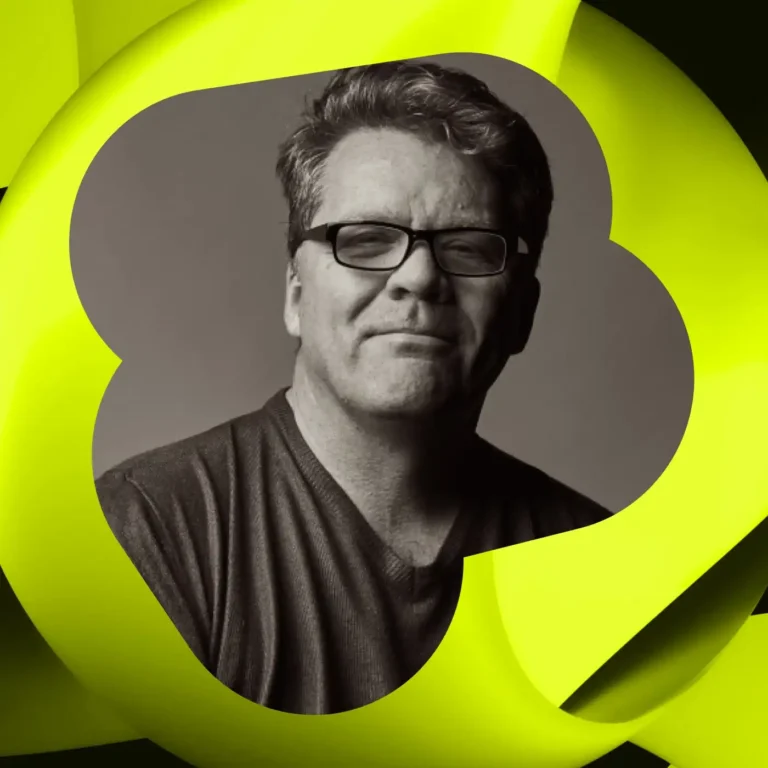
Meyer. He is the chair of Great British Energy and after a career spanning over
1:05
30 years at Seaman’s where he ended up leading their UK business, he has become
1:11
one of Britain’s leading voices when it comes to industrial strategy, when it
1:16
comes to advanced manufacturing and responsible business in general. So it
1:22
is a conversation about the future of energy and technology and I suspect the
1:28
role that Britain can play in the world’s future. Jurgen Mer, welcome to
1:33
tomorrow. It’s a pleasure to be here Ollie. Now I’ve been looking forward to this because we get to weave together lots of
1:39
different things. Let’s start what we always do on tomorrow. Give us a glimpse
1:45
into the future. What do you see? Wow. The future in energy is genuinely
Why the energy transition is already happening
1:51
so exciting. So, I mean, we’re actually not that far away, a few years away from
2:00
having all of our energy being produced through renewable sources. We’ve said
2:06
95%, there’ll be a little bit where we we need some backup power uh using uh
2:11
gas turbines, but it will all be renewable. I mean, just 10 years ago,
2:17
that was unthinkable. But we’re going to get there. Now, that’s where it just
2:22
starts because the real future is with having done that, we can now electrify
2:29
our whole economy. Now, just think about what that means to all of our buildings, commercial buildings, hotels, the homes
2:37
that we live in. Every one of those buildings should become a little power
2:42
plant in itself. It’s got a solar panel on the roof. It’s got a battery in with it. But very importantly, there’s a
2:49
clever sort of piece of software that means that every one of these buildings, including our homes, is buying energy
2:58
when it’s cheap because there’s relatively low demand and actually is able to sell back at times when there is
3:05
a demand like there is today actually or in these sorts of uh uh times of summer
3:11
where you have a high demand for air conditioning and not enough wind is blowing. But we our homes can sell back
3:17
and by doing that we basically create smart intelligent local energy
3:24
infrastructure. And what it really means is people optimize on their energy efficiency and they optimize on their
3:30
bills. We can bring everybody’s bills down by 25 to 30% just by doing this.
3:36
So it sounds to me like we’re well on our way uh to the future already. But let’s step back a bit from this because
How much of the UK’s power is renewable?
3:43
what you’re painting is a is a rosy picture of what is already possible. Now a few years ago as you say this would
3:49
have been very very different when we talk about how much of our electricity at the moment in the UK how much of our
3:56
power let’s start there is generated by renewables where are we on that journey roughly it’s about half it’s just over
4:02
half actually which again when you think about it is you know is quite unbelievable you know a lot of people
4:08
sort of talk about like this energy transition is almost yet to start and people don’t realize that actually we’re
4:15
already more than halfway into this journey. And by the way, there has been a day
4:20
recently where it hit nearly 100%. Extraordinary. So there was a day very recently where it was, you know,
4:26
particularly sunny and particularly windy and it was nearly 100%. So there you go. Right. Well, I’m pleased you’ve said windy because of course for an
4:33
island nation like ours, this this is a huge source of that. Just where does that sit in the mix? Because there is
4:38
solar in that mix, but it’s an awful lot of wind as well. Um well look the by far the biggest resource we have is wind as
4:47
you’ve rightly said because you know we have this rather beautiful uh uh island it is rather windy. Um we also have
4:53
amazing port infrastructure and you do need really really good ports in order to uh to manufacture assemble because
5:01
you can’t you know ship these turbines where the blades are over 100 m long.
5:06
you can’t be shipping them uh um up our motorways and you know so they’re made in the port shipped out to the port. We
5:13
have [clears throat] perfect infrastructure. We have excellent industrial capability and we are a windy
5:19
nation. So wind is the largest. But you know solar on a day like today as a matter of fact I looked on the way into
5:24
this podcast today 25% of our energy is being produced by solar.
5:29
And just remind us Jurgen why that matters that it is uh let’s use the
Why homegrown energy matters
5:35
phrase homegrown in that sense. Why why is that important? Well, one of the key things about
5:42
renewable energy is not just all of the advantages in terms of the ultimately
5:47
flexibility and ability to get the the cost down of the whole system, but it is
5:52
about energy security. Um, and look, fossil fuels have been a hugely
5:58
important part of what industry, what energy has created in this country and it will continue to be important as we
6:06
go through this transition. But every time we’ve had an energy crisis,
6:12
it has been because of a conflict somewhere in the world. And what has that done? It has made prices skyrocket.
6:20
And it has made nations, you know, the last time when it started in the Ukraine, we threw nearly 90 billion of
6:29
public money at helping industries and consumers to be protected during that
6:35
time of incredibly high energy prices. I mean, I always say, gosh, if we’d only
6:41
invested that money in creating more of the cheaper, more sovereign, more homegrown energy, um, we would have been
6:48
in a much better place already. Let’s step back again to this big picture because, uh, and again, forgive my
How Britain’s energy system actually works
6:55
oversimplification, entire entirely for my benefit. With solar, you know, the panels themselves are converting the sun
7:02
the you know, the sun’s rays into electricity. Everything else is a bit different in the sense that it involves turbines, right? So whether it’s wind or
7:08
the waves, you’ve got the turbines creating the electricity. So point one, a little bit like the farmers growing
7:14
the crops in the fields, you’ve got who is producing that energy and historically companies like Octopus
7:20
Energy might have just been buying electricity from those farmers. Now increasingly they’re stepping into that
7:26
themselves. But that seems to me that that’s step one, the actual production of the renewables, if that makes sense.
7:32
Correct. Yeah. Now the energy needs to get from A to B. So on the transport, on the trucks, on the motorways, that I
7:38
think is sort of National Grid’s job. Am I right? Correct. Right. Okay. Yes. And then you’ve got um who actually
7:45
sells it to the customers, which historically has been the very big well-known energy companies. Um and
7:51
presumably increasingly might be other brands stepping into that space. Um what
7:56
I’m trying to get my head around is where GB Energy fits into that mix. So Great British Energy is not at the very
What Great British Energy will do
8:03
last end that you just described which is what we call the energy retailer. So
8:08
they’re the people who are you know consumers. So you know we as homeowners have our contracts with those companies.
8:14
That won’t be the case. So we are at the ownership and creation and operation of
8:21
energy assets. So so that’s where we want to be. Now obviously we want to do
8:27
this alongside the private sector. So we’re not going to be going in to
8:33
compete with the private sector who is already doing a damn good job of
8:39
building and operating fixed bottom offshore wind farms for example. It’s a
8:44
pretty mature technology or solar farms as we’ve uh just discussed. What we want
8:50
to do is we want to step into these slightly harder to do areas. So in re
8:55
that regard we are a market creator. So here we’re talking about technologies like the next revolution of offshore
9:02
wind which we’re calling floating or deep water wind. So this is where wind farms go way out into the ocean water
9:11
depth of greater than 80 m. Difficult to now fix those permanently to the seabed.
9:17
So you have to literally have them on these amazing huge structures and they’re floating and it does work. Um
9:23
and uh and and we want to get behind technologies like that. One of the world’s first demonstrators of this is
9:31
just off the coast of uh uh of Abedine um a floating offshore wind farm sitting
9:36
there producing power on a daily basis and it’s all working wonderfully. Now that is a bit different to now scaling
9:43
it up and making it all cost effective and that is certainly an area where we as great British energy want to uh lean
9:51
in but we want to do much more than that. I’m sure we’ll come back to a bit more of that later and and and so so but as as a first
Working with—not against—the private sector
9:57
intervention that that that makes sense and I want to come on to how we are changing the whole system if you like
10:03
which involves lots of other forms of infrastructure just very briefly on that relationship with the private sector.
10:09
What is the difference between crowding someone out um where the private sector
10:15
says, “Oh, that’s solved and taken care of.” And this alternative idea of crowding in the private sector. Just
10:22
help us understand the difference. Well, crowding out is where we as Great British Energy would be coming in um and
10:29
uh wanting to build um a wind farm that the private sector would do on its own
10:35
without any public subsidy um and uh be able to make reasonable returns without
10:41
any public support. That would be crowding out. Crowding in is we’re stepping in in as we were just
10:48
discussing in the harder to do places. Another place where we want to really
10:54
step in and help crowd in is in community and and and locallyowned
11:01
energy. I mean there is already a lot of that happening as well, but it’s sort of like a a really purposeful and a
11:09
fantastic little cottage industry. Well, I say little, there are many of these communityowned energy farms up and down
11:15
the country. And by farms, I mean it could be an onshore wind turbine. Mostly they are solar technology but we’d love
11:23
to scale that up more and give communities more ownership and more agency and that is difficult for the
11:30
commercial sector or the commercial sector doesn’t even want to do it because it’s not quite scaled enough. So
11:36
that’s a space where we can come in but actually we can also work with the private sector and crowd in and work in
11:41
partnership with them on these schemes also. So, so there’s a really interesting example there and you talk
Community-owned energy explained
11:46
about agency, you talk about ownership, but of course, um, the benefit of that is that they share in the proceeds
11:53
presumably as well and don’t just see those benefits go either to a private
11:58
corporation or quite literally offshore. Absolutely. And and look, there are beautiful examples of this up and down
12:04
our country. Um just recently um I visited a wind farm which was actually a
12:10
joint ownership of the private sector. So it’s exactly this sort of you know working with and crowding in rather than
12:17
crowding out. So it’s a wind farm owned um partially by a private sector
12:22
investor but they have then given space for one of those wind turbines to be
12:27
owned by the community. It’s in Huntley, sort of about an hour and a half north of Abedine and uh in Abedinia. Um and
12:35
now with the proceeds of that wind turbine which is owned by the community,
12:40
they have in the town of Huntley, they have built a communityowned bookshop.
12:46
There is a communityowned cycle hiring and cycle repair center. There is some
12:52
shared workspace that the community can come and work in. There’s a coffee shop. There’s even a communityowned cinema
12:59
which people go to. So this is, you know, and they all look up at this turbine and go, “Wow, we love that
13:06
turbine. Look what this is doing for our town in Huntley.” And that is agency.
13:11
That is community ownership. And we’d love to do so much more of that up and down. And and if we jump back um 10
13:18
maybe 20 years almost the polar opposite reaction to how such a uh such a
13:25
construction would have been viewed. Well that’s right because we didn’t give people agency and ownership in it. Um
13:32
and uh and look I’m always a fan of looking out and learning from what other people have done this space. And if you
13:38
go up to Scandinavia or indeed the country where I originally come from Austria, you know, they’ve been doing
13:44
this community energy and ownership for a very long time. And therefore, you know, when people see a benefit, they’re
13:50
less skeptical and are more likely therefore to also, you know, support
13:55
having such a scheme because not everybody likes I mean, I actually think a wind turbine on top of that hill in Huntley looks rather beautiful. Not
14:02
everybody does and I fully understand that. But if you can say look but that is going to really throw some real nice
14:10
benefit into community it changes the conversations and it doesn’t just I mean we are going to talk about and we are talking about
Responsible business and leadership
14:16
the future of energy but if we just think a bit more broadly about another subject close to our hearts uh
14:22
responsible business that sort of thinking has implications for the future
14:27
of health education social care um what
14:32
do you wish more business leaders were realizing about the role that they have to play
14:37
and about their voice in all of this. Well, look throughout my 30 plus year
14:44
career that you said at Seaman’s um you know I was always a strong believer in
14:50
that the company I was working for but the companies I was working with in my sector that we all have a responsibility
14:58
towards communities you know and at the end of the day these are the people that work in our businesses especially if
15:04
you’re running a factory you know at one point in my career I was running a factory in a town on Congleton in uh in
15:10
Chasure, you know, we were one of the biggest employers in the area. I mean, you are part of that community. So to
15:17
support the schools, the education system, maybe the youth clubs uh uh in
15:22
the area and also, you know, to because in our case at Seammens, you were a
15:28
technology- based business. So also leaning into things like uh uh uh community energy and supporting those
15:35
sorts of things. So look, I think business has got a a huge role to play and because of that I have set up a
15:41
little social enterprise um called Vocal V. Um we were trying to be a bit cool
15:47
with that title I think. Um but what it’s all about is exactly this. It’s about helping future leaders to come on
15:55
board with progressive leadership and coming on board with their businesses in
16:01
a very responsible way, helping society, helping their communities and being
16:06
proud and being vocal about it. Well, we would love to involve Vocal in what we’re doing with future forum and
16:13
um it’s such a powerful point that you don’t have to split yourself to say I’m going to do my business over here and my
16:19
impact in doing good. um over there um you have made me want to touch a little
16:24
bit on the future of manufacturing and what that’s going to take because there is this misperception occasionally that
16:30
factories today are dirty dangerous places the world has moved on hugely so paint us a picture of the future of
16:36
manufacturing because at seams you are leading the world in that um and it’s central to what we need to see happening
16:43
through your role at Great British Energy. Well, you’ve brought me here right to my passion. Um, which is, you
Why Britain needs manufacturing again
16:50
know, as I was going through my career at Seamans, it was genuinely fascinating
16:55
me how in the UK we were allowing ourselves to de-industrialize
17:02
with all the negative impact that was having on communities, particularly the
17:07
towns outside of the city centers. I mean, I’ve spent most of my um life in the UK living in Leeds and in
17:14
Manchester, and I’ve seen those cities thrive and grow, but you go out to some of the towns around them, they’ve
17:20
de-industrialized, and we haven’t put the good jobs back into those areas. So,
17:26
you know, I’m a real advocate and I think, you know, we are right in the
17:31
moment politically as well where we are realizing that what is going to bring
17:36
prosperity and good jobs back into these towns, particularly back into the
17:41
coastal regions where we’ve de-industrialized too much. And the answer is manufacturing and new
17:48
industries. And a lot of those new industries are exactly in the areas that we’re talking about. By the way, this
17:54
also now takes me to the next area of great British energy, which is not just do we want to lean in and create new
18:02
industries and new technologies like floating offshore wind and the hydrogen industry, for example, we want to make
18:08
sure we’re making more of that here in the UK. And I didn’t actually answer
18:13
your question, but to answer your question, those factories are shiny. They’re
18:18
bright. They’re sustainable. They’re full of robotics. They’re full of data and AI. They use the latest technology.
18:26
And guess what? Because of all of that, some people say, “Oh, that means you don’t need any workers because it’s all robotic. It’s all automated.” The answer
18:32
is no. Because you need people to plan it. You need people to program the robots. You need people to plan the
18:39
whole logistics of what’s happening in there. And these are great places to work. And I’d love nothing more than for
18:46
Great British Energy to help create thousands and thousands of more of those sorts of jobs, right, in our rural towns
18:53
and coastal areas. So, so, so an observation on that is there you’ve got uh manufacturing in the
18:59
UK um with British jobs. Um the customers aren’t just British, they
19:05
should be global. Well, absolutely. And this is the other thing you know I mean we have got in the
19:11
UK to die for universities innovation IP
19:17
being generated all the time. And how often have we now allowed that
19:24
industrial knowledge to pass on and be manufactured somewhere else for us to
19:29
import. Take solar panels and batteries. Where are they all coming from? Look, they’re beautiful and wonderful and I
19:35
love them. But let’s now make sure that with the next parts of these energy
19:40
revolutions. So again, I’m coming on to hydrogen floating offshore wind. Let’s
19:45
make sure we don’t just create the IP and the engineering. We manufacture them here. And then to your point that we are
19:54
the exporters of that technology around the world rather than being the importers which we’ve become far too
19:59
often. And there is an additional element that you’ve already hinted at which is on security because presumably
Energy security and industrial sovereignty
20:05
and just help me understand the difference please. In other industries like mobile phones we haven’t made the
20:12
same case. We haven’t said um well we should be manufacturing these in leads.
20:17
What’s the difference? Well, the difference is is the
20:23
industrial scale and it’s the reliance of this infrastructure for quite frankly
20:31
our livelihoods. Yeah, I mean when you’re talking about your energy system and look energy if you go back even just
20:38
20 or 30 years you know and energy was cut and you had a blackout I mean it was a bit inconvenient you know you didn’t
20:45
have your lights you might not have had heating if you had electric heating at the time today
20:50
everything is powered by electricity you know we’re all connected to um Wi-Fi
20:58
internets all of our you nothing works without electricity. So you absolutely
21:04
have to make sure that you have not just energy security but you do have an
21:10
element of what I would call industrial sovereignty which is that you have your own capability to be able to invent make
21:18
look after service that technology to make sure that it’s secure. One thing
21:23
that’s powered by electricity is intelligence artificial intelligence. So just help us navigate that because uh
AI’s growing energy problem
21:30
these AI models are very uh energy hungry. Um those data centers need
21:35
electricity, those data centers need cooling. Um how do we navigate that in a
21:40
responsible way? Well, I mean first of all to say I’m a fan of new technology and therefore a
21:47
fan of AI particularly in terms of what AI can actually do to things like
21:54
optimizing our energy system. You know, this goes right back to the starting point of the future. You know, I sort of
22:00
talked about data helping optimize our homes, but if you think about how badly
22:06
optimized actually our whole energy system and grid is, and how much room we’ve got to go for better energy
22:12
efficiency, and again, you can just take your own home, you know, how much of the time, you know, do we really turn off
22:18
the heating in the rooms that we don’t use that we need? you know, you now take that into factory level, you know, how
22:25
often do you really optimize turning fans and blowers and motors and all of that off, you know, and now you go to
22:31
the next level of optimizing all of the energy grid to best serve that. Now, on the other end,
22:36
you’re right. These are very, very energyhungry assets. Now I say look as
22:42
long as we have electrified or we’re generating that energy through renewable
22:49
sources then it’s all pretty sustainable. Um the problem is and that
22:55
is happening at the moment which is you know we’re throwing too many of these data centers up because of the AI and
23:01
sadly many of those we’re not able to supply yet with renewable energy. So
23:06
therefore, it’s fossil fuel turbines um uh firing them up. Um which therefore,
23:12
you know, doesn’t fit into my future thinking uh of this all fitting into a sustainable ecosystem. However, in the
23:19
bigger picture, presumably these large tech companies, they are not with
Can renewable energy keep up with AI?
23:24
well-known energy companies because they have their own individual agreements with the grid and they can put pressure
23:30
if they so chose to be powered by renewable energy. uh they might choose a
23:35
literally a nuclear option which I think what many of them just just help us understand how we square this because a
23:41
viewer might be worried that um with these very large corporations holding so
23:47
much of the market um that it isn’t being treated as responsibly as it could
23:52
be. We are talking to uh uh um data center developers and therefore the tech
23:59
companies behind those who are very keen to make sure that their energy is provided from renewable sources. But you
24:06
are right you know there are some of them caught with you know the huge demand and the renewable energy isn’t on
24:11
the system. So they are taking slightly short-term choices. I’m pretty sure over time that that will become renewable.
24:17
Look, there is a short-term answer to this is and that is in this renewable world because we haven’t yet got it
24:25
designed and distributed in the most optimized way. There is something that we hear in the news all the time which
24:32
is we’re telling wind farms to turn off when it’s too windy because we’re not getting the energy to where it needs to
24:38
be. Well, look, just build the data centers there and make sure that we’re not asking them to turn off. We’re
24:44
asking them to produce more and actually we’re putting the data centers where the
24:49
actual energy is being uh is being created. So, so that is a a super um clear fix in
24:57
that sense which again would be good for growth across the whole of the UK presumably. Another fix when you’ve got
Hydrogen and the future of energy storage
25:02
too much energy at one point is around storage and one way to store energy is um and forgive my simplifying uh is
25:10
battery storage. Another way effectively to store energy is through hydrogen. there. I guess you’re using the electricity to split the water into the
25:17
um into the oxygen, but the hydrogen in a way should be thought of there. Not so much as an energy source, but it’s also
25:23
a way to store energy in a way. [snorts] Um well, I will make another future predictions and the prediction is is
25:29
that hydrogen will play a significantly bigger role in the whole of the energy
25:35
mix and I say that for two reasons. One is is is that there are some applications particularly in industry
25:43
where through only electrification you can’t do it. I’m thinking of things like steel industry, cement making, glass
25:50
making, you do have furnaces there and that’s difficult to electrify. So
25:55
hydrogen is going to be important. The other key area where hydrogen is important is exactly where you’ve just
26:01
said and that is in energy storage. And look again this is sort of the future is here now. The sorts of turbines that
26:07
when I was at Seamanss we used to sell that are powered on natural gas are now
26:12
already able to burn on hydrogen. So you can do exactly what you say. You can
26:18
make hydrogen at the point where you’re creating power that is not needed. So
26:24
with these offshore wind farms at night there’s low power demand. You put so-called h um electrolyers
26:31
um which as you say split the water into hydrogen and oxygen. You get your hydrogen, you store the hydrogen, and
26:37
then when you need energy demand, you burn that hydrogen through a turbine just like you would natural gas, but
26:43
it’s now all renewable, all sustainable, and you get your power at that point. And and and that storage, if we just
26:49
freeze frame there, that’s not in fuel cells. What What form is that in then? Um well, it it’s actually the reverse of
26:57
a fuel cell. So what a fuel cell does is it takes the hydrogen in and it turns it
27:02
back to electricity. And an electrolyer is exactly the reverse of that which basically takes
27:08
water in and uh through an electrolysis project process creates the hydrogen
27:14
and and in simple terms what would we call that storage opportunity that that thing
27:19
in terms of where the hydrogen gets stored? We call it hydrogen long duration storage. Yeah. Okay. Okay. And and this could be
27:25
underground. Uh yeah, I mean the hydrogen can be stored, you know, a particularly good storage medium for the hydrogen is salt caverns.
27:33
Um and it can also actually be gas um um where we’ve extracted natural gas from
27:40
now empty. So you could store hydrogen in uh uh in in in natural infrastructure
27:45
because in a way a listener a viewer might be saying, “Oh, we’ve gone off down a rabbit hole here, haven’t we?” However, I would say that these are
Answering the biggest renewable energy myths
27:54
hugely important um pieces of the mix because historically you’ve had these in
27:59
my view fairly simplistic objections to this whole future of energy conversation
28:05
around well what happens when the wind’s not blowing or um you know isn’t it
28:11
going to be too expensive and we have to tackle them. Well, that’s it. We are tackling it aren’t we? And uh and and look, a lot of
28:18
it of course has sort of developed over time. You know, when we first started thinking about what does the sustainable
28:24
energy system of the future look like. You know, we didn’t quite know what the possibilities were on some of, you know,
28:30
these hydrogen systems, etc. We now do is the good news. And uh and so, look,
28:36
we are now, you know, much clearer about what the technologies are that are part of this overall system. And uh and look,
28:44
we’re proving it that the whole system is working. And here’s another thing, and that is that if you look at now
28:50
globally, how much private sector investment is going into the future
28:56
[snorts] of renewable technologies, all these technologies that we’re talking about now, compared to fossil fuel
29:03
technologies, it’s now 2/3 in favor of renewable technologies. was about two
29:08
trillion last year in renewables, about 1 trillion in fossil fuels. By the way, China put enough renewable new energy on
29:17
their grid in one year to power the whole of Germany. So, look, this renewable future is now
29:26
unstoppable. It’s happening. We have the engineers and the technology to design
29:31
it and make it happen. This is the future. We’re going to pause briefly,
29:36
uh, Jurgen, because I have some quickfire questions. We’ve already covered, uh, a lot of good ground here,
Britain’s biggest opportunity over the next 20 years
29:42
but I’d like to pick a number, uh, between one and 10. I’ve prepared 10 piffy questions. Oh gosh. Uh, seven,
29:49
always seven. What’s Britain’s biggest risk over the next 20 years?
29:55
I hate coming on to a future podcast and talking about risk, so I’m going to turn that to an opportunity, actually. I mean
30:01
the risk is that we become too insular. You know, I think we have allowed ourselves through Brexit, you know,
30:09
through the geopolitics and the way it’s gone, through being a little bit sort of obsessed with our own politics, that
30:15
we’re a little bit inward focused. And what I would like to see is Europe being
30:20
much more back in the middle of the European Union, helping define what the
30:26
future of renewable energy, but the future of defense and uh and security is
30:32
and Britain to do what Britain has always been best at, which is about a trailblazer, an innovative
30:38
outwardlooking company uh country. And I’d like to see us doing much more of that. is it’s a fascinating um point.
30:47
You were born in uh born in Austria. You moved to the UK to leads age 10. Um how
Lessons from Austria, Siemens and Europe
30:54
do you think your own journey um including playing a leading role in a global company has shaped what you now
31:01
think is possible here in Britain? Well, look, I was just so lucky to, you
31:06
know, come from very humble, very engineering sort of background. and all of my my father my uncles were all
31:12
engineers and uh you know I just had this lucky journey um of um seeing what
31:18
was possible through the art of engineering and innovation and indeed what we have created and I also grew up
31:26
in a time when borders were disappearing which to me when you know my mother
31:32
originated from East Germany and it was a frightening experience for us to
31:39
travel back to see my mother’s family in East Germany because you had to go through that wall. There was a wall. And
31:48
so to me that breaking down of all of those borders, free travel, the
31:53
opportunity that I had to come to the that I came to the United Kingdom, build my career here, enjoy my life here, go
32:02
back and work in Germany, which is what I did, and all of that without needing to worry about work permits and visas
32:09
and borders. What a lucky time. And that is why I just was so puzzled
32:18
really, you know, why we as the UK started this debate about the European
32:24
Union. And look, of course, there’s imperfections in the European Union. But Britain always took
32:30
this sort of role of we will help fix the imperfections and we’ll be part of it because we believe in an enlarged and
32:37
an open Europe that allows opportunities that I described. And honestly, I now speak to young people who want to come
32:44
and work in the UK for their bring to gain their experience
32:50
to enjoy their life, but obviously also bring their skills and the same way British people want to do that in France
32:56
and Germany and Spain and they can’t. To quote the great Joanie Mitchell, you don’t know what you’ve got till it’s
33:01
gone. Absolutely. And there there is a sense at which if you grow up in a very privileged environment in a particular
33:08
country, you you’re not aware that the world is your oyster in quite the same way as somebody who’s experienced more
33:14
limited horizons. And I want young people to feel that the world is their oyster.
33:19
And this feeds back into skills and about opening up those opportunities, feeling that they have a future here um
Green jobs and the future workforce
33:26
as well. Pick pick another number, Jurgen. Um 10. It’s 10. Yeah. What gives you the most optimism right
33:31
now? I am a glass half full person and the optimism for me is that we
33:38
absolutely will create literally thousands and thousands of more jobs in
33:45
the areas that are required in these renewable energy technologies and that
33:51
we will manage the transition from fossil fuels in a responsible way. I,
33:57
you know, I’m not very happy with the way that we’ve polarized and politicized this debate about oil and gas and uh
34:05
renewables. Look, I’ve said it very clearly in this podcast. The future is renewable energies, but we also have a
34:12
responsibility to take generations who have worked who are working in oil and
34:17
gas with us on that journey. Give them the opportunities to be part of the new in a very responsible way. And I remain
34:24
optimistic that we can get that right and create opportunities for the young people and for people who are working in
34:31
the industries today. So, so what what do we need to get better at on that? What you’re hinting at there is reskilling. If we’re going
34:37
to really nail that, what do we have to get better at? Well, do you know the truth is if you take floating offshore
34:44
wind as an example, there has been a mapping done in terms of the skills required and 90% of those skills exist
34:52
in what we have in the oil and gas sector. So the mapping is actually there. The issue is we haven’t quite got
35:00
this new technology accelerated to the level that we need it yet and it will happen absolutely but it’s just taking a
35:07
little bit more time. So in an area like the northeast of Scotland and Abedine
35:12
where you’ve got such a concentration of people in working in oil and gas we need to accelerate and show those
35:19
opportunities more. That said in other parts of the United Kingdom where you don’t have the level of concentration of
35:25
oil and gas workers well it’s all upside. You know if you’re in the Humber you’re just saying wow you know this is
35:31
amazing. We’ve got, you know, my old factory at Seaman’s making blades there, now employing well over a thousand
35:37
people and supply chains of companies all working into that offshore renewable
35:43
energy sector, creating thousands of jobs. And look, that’s my optimism. Many, many tens of thousands of more
35:50
jobs on top of the, by the way, it’s 308,000 jobs that already exist across
35:56
all green um energy technologies in the UK today. Right. and and the sense that we’re just
36:02
in the foothills on that. Uh final number for our quickfire. Oh gosh. One. Let’s go right down to the
36:08
other end. Um one one energy source that you wish more people understood better. [snorts]
The most underrated energy technology
36:14
Um pump hydro. Um and I think that is something we’ve underestimated. Look,
36:21
and I say this a little bit as an Austrian um Austrian British actually, but uh um you know, pump hydro as a
36:28
fantastic source of energy storage. So, this is back to you know, we’ve got
36:34
power when we don’t need it, use that power to pump water from a lower lake to
36:39
a higher lake. And uh and then when um you need the energy, you basically pump
36:44
that water through lovely turbines and you’re generating the energy. It’s beautiful. It’s renewable. It’s a
36:51
natural resource. And we have lots of potential to do more of that in Scotland. To what extent does that process revolve
36:57
gravity? And if it does, is that through construction or through the natural contours of a country?
37:04
Well, I mean, look, I mean, you need lakes and mountains to do this, you know, and then you need to do it all,
37:09
you know, in a uh in a very renewable and nature friendly uh way. Um, you
37:15
know, there are countries that have done this in spade. we can learn from them and do more of it here.
37:21
Somebody listening might say, “Look, this is all very good and they might say
37:27
it’s it’s idealistic because what happens is you get to this new world,
37:32
but it’s still more expensive than electricity generated by cold fire power
37:39
stations. So yes, point taken about the planet, but cost matters more. cost
37:46
matters hugely and again this has just become a too divisive an argument. The
37:53
truth is that the cheapest form of energy producing energy on our grid today is solar. The second cheapest is
Innovation, leadership and Britain’s future (update once final edit is locked)
38:01
onshore wind. [snorts] At today’s prices, offshore wind and gas are about
38:08
par. So renewable energy overall is the cheapest. But now here’s the real thing
38:13
that people aren’t telling you. That offshore wind price that I’ve just said is comparable with gas. And by the way,
38:19
when gas prices go up, offshore wind is way cheaper, which has been the case through the recent uh crisis. But we’re
38:26
also not comparing apples with pears. Those gas fired power stations, most of
38:32
them are built 20 25 years ago. They’re largely paid off. So it’s sort of
38:38
marginal pricing that we’re seeing on those. The offshore wind farms we’re building are all brand new. So those
38:46
people that are telling you that, oh, we just need more fossil fuels, well actually you would need to build new gas
38:52
fire power stations to do that. And if you built them new, the cost would be, I
38:58
think, at least double of what it is today. So it would make them way more expensive than offshore renewable
39:05
energy. So look, it is simply not true that fossil fuels are the cheaper form
39:12
of energy. That doesn’t make me not supportive of fossil fuels because it’s an important part of the energy
39:17
transition we’re going through. But let’s be clear, the future is renewable. that renewable future is cheaper and
39:25
also offers all of that opportunity of electrification of our um um whole
39:30
economy and homes as I started at the beginning which adds on further efficiency and costsaving benefits that
39:37
you wouldn’t get in a fossil fuel world right and in a sense this is no different conceptually to the
39:43
conversation we might have if we brought them in now with a supermarket boss
39:48
about what Britain does what it grows what it imports. It is It isn’t binary.
39:54
It’s getting the mix right. It is. It It is exactly that. It is exactly that.
39:59
Um so here’s here’s the thing. Some of our listeners and viewers will
40:06
have noticed or might have perceived particularly over the last few years, two or three years that certain things
40:14
have become have fallen my flippant phrase out of fashion.
40:20
That might include um being gracious and respectful to one another in lots of
40:25
different environments, you know, but combined with that, and I’m not suggesting they are definitely linked, I suspect they might be, is the extent to
40:34
which we care about the world around us and the planet. And that idea of
40:39
renewables around clean energy falling from favor. What do you make of that?
40:45
Well, isn’t it fascinating that we’ve talked all the way through this about economic benefits, about why
40:52
it’s right around energy security, about industrial sovereignty, and right at the
40:58
end we get on to really the most important reason why we’re doing all of
41:03
this and that is that in the end it is about climate change and look that is
41:11
it’s having a huge impact and nobody I find it fas fascinating that nobody is talking about all of the flood defenses
41:17
we’re having to build. You know, every time there is a, you know, another weather event and we’re throwing
41:23
billions um at the rectification um of those events and nobody is factoring
41:29
those costs into that. Yeah. Because the point you’re making has to be challenged in the sense that
41:36
we can say that this is so obvious, this is the number one driving force. Um, but
41:43
someone misharing that might say it’s so obvious the point doesn’t even need to be made. Um, except when you’ve got some
41:49
of the world’s most powerful and future most powerful people who are uh pushing
41:54
back incredibly hard, whether that’s against um the science, whether that’s against the targets.
42:02
um this whole movement can feel when you listen to you it it makes sense and
42:09
there are so many benefits and yet there is the strongest headwind you could imagine.
42:15
Yeah. Yeah. And that’s what’s so sad in this whole, you know, polarized debate. And and look, I’ll be honest with you. I
42:22
dislike the fact that, you know, I have to um, you know, almost sell this story
42:28
so heavily uh in in a podcast like this. Much better would be, look, this is all
42:33
just obvious. We know we’re on the right journey. We know we need to decarbonize that pace. We can see all the benefits
42:39
that come with it. And let’s be responsible about making this a transition that our consumers can
42:46
afford, that people in the oil and gas industry have the same opportunities they currently have in the new sectors,
42:53
and then doing it all in a much more managed and in a transition way. But look, that’s what certain people have
42:58
chosen not to do and we live in this polarized world, which means that it’s important that we take leadership in
43:05
terms of what the right future is. And this is the future podcast and the future is about renewable energy and all
43:12
of the advantages that brings for our planet and for society. Well, leadership’s a great word to use
43:18
on that, Jurgen. Um, one motto we repeat at Future Forum and on tomorrow is leave
43:23
your lane. That idea that there’s so much we can learn from different worlds, from different industries. What does that leave your lane phrase mean to you?
43:31
Leave your lane. Well, I’m not sure what it means. I mean, to me, I’m going to be honest with you, I’m in the lane. And
43:36
the lane to me is, you know, I’m focused um on the journey and I’m showing
43:42
leadership for what I believe is important for, as I’ve already said, the opportunities for communities, for our
43:48
planet, and that is the future of renewable energy. But it’s really it is an interesting thought though. I mean, that this is um
43:54
that that that’s a very succinct way to describe being in a moment in an
44:00
industry. I I do think if you think about what we’re going to have to do as we re-industrialize if you like as we as
44:07
we level up across so many different parts of this system I do wonder if there are other industries we could
44:13
learn from because you wouldn’t want you know when I am involved with events particularly around the future of energy
44:19
it’s always in the back of my mind Jurgen this idea of which other industries could we be learning from
44:25
well look I’m a big fan and look and in that sense you are right you know you do have to lead your lane
44:31
um and not only be focused and look a little bit outside and and and the good
44:36
news is is there there is a lot of technologies and learning coming into for example you know renewable
44:43
technologies I would say the aerospace industry the defense industry you know there is huge sort of learning in terms
44:49
of how advanced materials are applied for technologies that coming back to uh
44:55
to hydrogen or uh you know cultures in terms of health and safety across those
45:00
industries. So, you know, there is a lot of learning across key sectors and we should do more of it. Final question is a bit more personal.
45:07
Your role at Great British Energy has been startup chair and I love that phrase because it suggests to me that
45:12
you’ve pulled ingredients together, not least with colleagues, the 8 billion investment from government. Right. I
45:19
just want a brief reflection on that because it is it is quite a basket of ingredients. I’ll be honest with you,
45:25
it’s one of the daunting tasks that I’ve taken on, you know, and I took on many incredible uh jobs and challenges uh at
45:33
Seammens, but this was really quite daunting. You know, you had a document uh and from that document, you know, you
45:39
had to build a strategy and had to build a team, had to build the right governance um to uh uh to take this uh
45:47
organization forward. look and it needed every ounce of uh leadership but most
45:52
importantly it needed good people good teams and good collaboration and I think
45:58
that that has been why we’ve been on a pretty good journey and I’m going to call it a successful startup period for
46:05
great British energy because those ingredients I’ve just mentioned are on board and that is that we’ve got a
46:10
fantastic board we’ve got a great executive team with a brilliant chief executive we’ve got really good
46:16
governance we’ve got strategy and very important we are already making
46:22
investments that signal that strategy in action so that people can see that we
46:29
are doing things we are investing in the future of floating offshore wind investing in supply chains and the
46:35
future of hydrogen we are investing in solar panels on schools and hospitals and we’re going to be doing much more
46:41
community energy so we have built the startup phase we’ve been so lucky to have so many brilliant organizations
46:48
supporters and good people coming on board because they believe in the purpose of what we’re doing at Great
46:54
British Energy. In a way, I don’t think it’s your style to congratulate yourself on what I’m about to say, but don’t you think it’s
Quick fire questions (update once final edit is locked)
47:01
helped that you’re multilingual, you speak big business, you’ve invested in startups, you’ve worked very closely
47:08
with governments, you don’t need educating on the benefit of helping regional and local communities, towns,
47:15
not just cities. I don’t I don’t find that coincidental. Well, I’m just lucky that I’ve been able
47:21
to gather those experiences through my time. Some of that was by design. Some of it just happened. Um, so you are
47:28
right. You know, I’ve had the privilege and the pleasure of leading a large industrial company in this country. I
47:34
did lean into supporting government both locally in Greater Manchester, helping
47:40
in Greater Manchester with the local industrial strategy, advising governments on industrial strategy,
47:46
working out how to get things done with government. So I did an initiative which has led to something called made
47:52
smarter. So yes, those experiences all helped. The thing that I’ve learned
47:58
through this experience is that the power of agency. What I’ve really
48:03
learned is that, you know, there is there are two ways of driving change really. One is that sort of very
48:09
top-down leadership. We’re going to go in this direction and we’ve needed a dose of that for doing this. But then
48:15
there is the second which is let’s create community agency. Let’s bring
48:20
people with us. Let’s let people believe in the purpose of what we’re doing and bringing that together. And look,
48:26
there’s still a long way to go on that, but I’m beginning to sense that agency. And once you get to that point, you get
48:33
to a point where that change just has its own self-momentum. It drives itself.
48:39
Really interesting. Really interesting. And it’s such a different reframe to thinking the future is going to be something done to me as opposed to
48:46
something I have a speaking part in. And even on a granular granular level, if I
48:51
think now, you know, we charge an electric car at home at night. Absolutely. And even but and but but
48:59
what I’m I’m using in the microcosm to say that in previous years electricity was just something that came into your
49:04
house or didn’t. Yeah. But that idea of feeling closer to something and having decisions that
49:10
matter that that levels up which is right where we started isn’t it? You know this is the future. The future is
49:17
you know your home is a smart home. It’s part of an active part of this energy
49:22
system. You can have influence. You can get benefit on it. But as I say, the even bigger agency is when you can do
49:28
this at community level and then you can really flow benefits of this renewable
49:34
energy back into community being able to pay for community assets, support
49:39
community assets, and that’s when you’ve really got communities on board and
49:44
engaged and feeling the benefit of this journey. Jurgen, thank you. Thank you so much for
49:50
um making the future of energy so um engaging and navigable. Um, our final
49:56
question to all our guests is, um, if you could send a memo to the future, imagine that. And I’ll ask you to tell
50:03
our, uh, viewer or listener over here what you would say, but this is almost a message to 10 years time. Maybe it could
50:10
be to your future self. It could be to a future leader. I just wonder what would
50:17
you say? Well, you know, I’ve never written that memo, but there is a memo that has
50:24
always been in my mind, and that is always make sure that you’re on the
50:29
right side of the future, and particularly on the right side of the future generation.
50:35
Absolutely love that. It’s a beautiful way to end. Uh, Jurgen, you’ve proved exactly why we’ve wanted to get you uh
50:42
on to tomorrow. Hugely grateful. Thank you for the work that you’ve done at Great British Energy and we look forward
50:47
to keeping in touch and getting you more involved uh with future forum. But for now, Jurgen Mer, thank you for joining
50:53
us on tomorrow. Thank you very much. It’s been a pleasure. So there you have it. Our guest today,
50:59
Jurgen Mer helping us to think about the future of energy. Not just a future of
51:05
different ingredients, also a future of very different benefits uh if we get
51:10
this right. uh from environmental of course but also economic, financial uh
51:16
future jobs, future skills and one that could also position Britain very
51:21
interestingly in the world when it comes to the future of energy. I really hope you enjoyed the conversation as much as
51:28
I did. Thank you in advance for subscribing and for sharing this episode with anyone you think would enjoy
51:35
listening. It’s tomorrow. It’s the Future Forum podcast. I’m Molly Barrett. Thank you for listening and until next
51:41
time, goodbye.
 All episodes