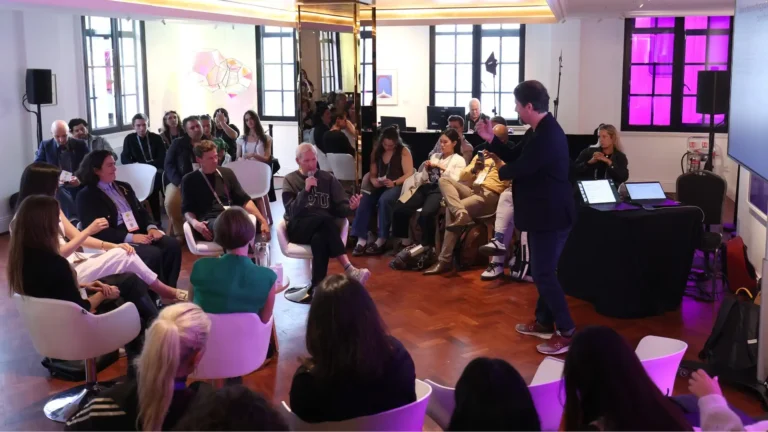
Three conversations: What changes when a pair of glasses can help you navigate unfamiliar places, access information, and complete everyday tasks more independently?
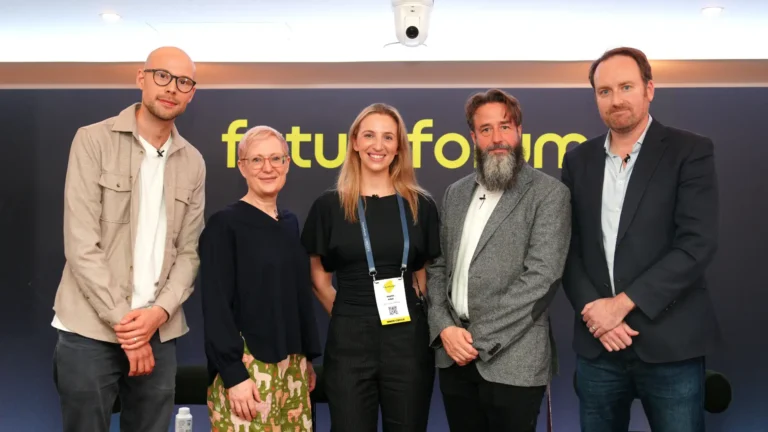
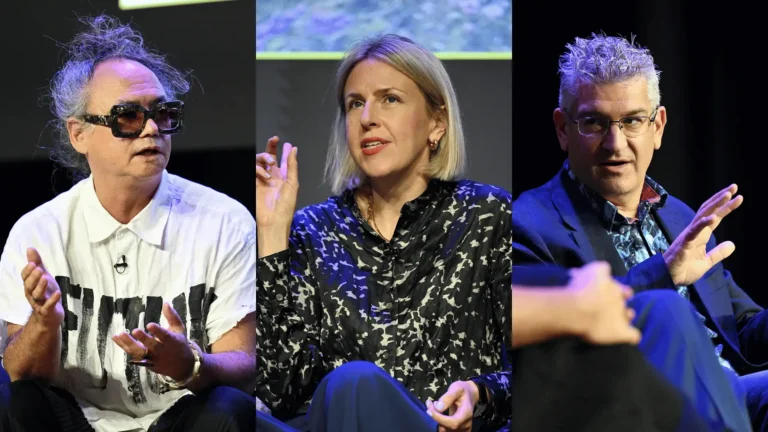
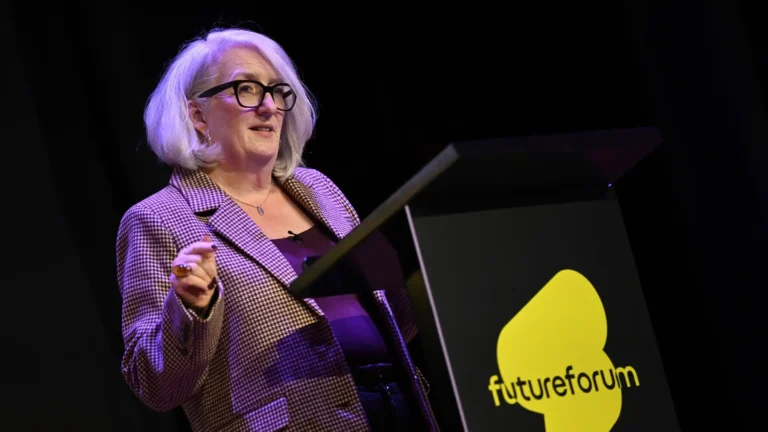
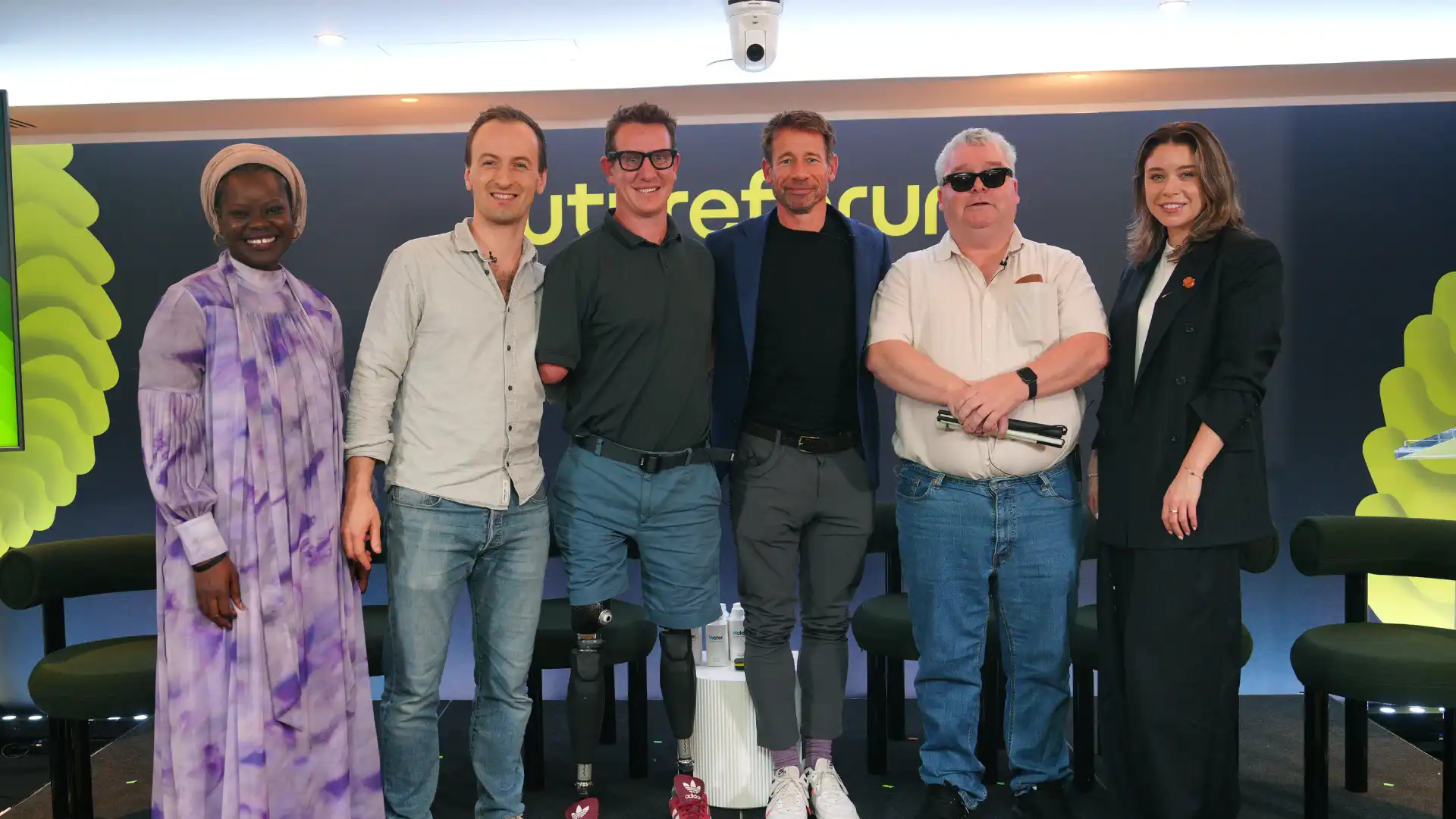
For many people living with disabilities, AI glasses are doing exactly that. During a Future Forum session introduced by Aïda Ndiaye, Head of Policy Campaigns, Europe at Meta, speakers explored how this technology is not just transforming lives, but reshaping opportunities.
Opening up opportunity
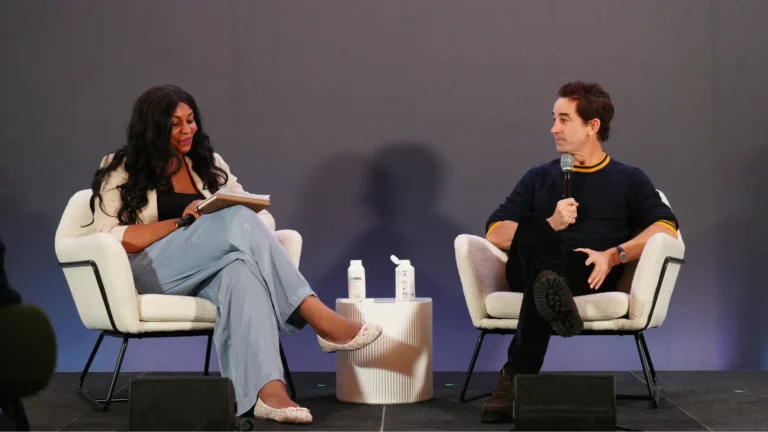
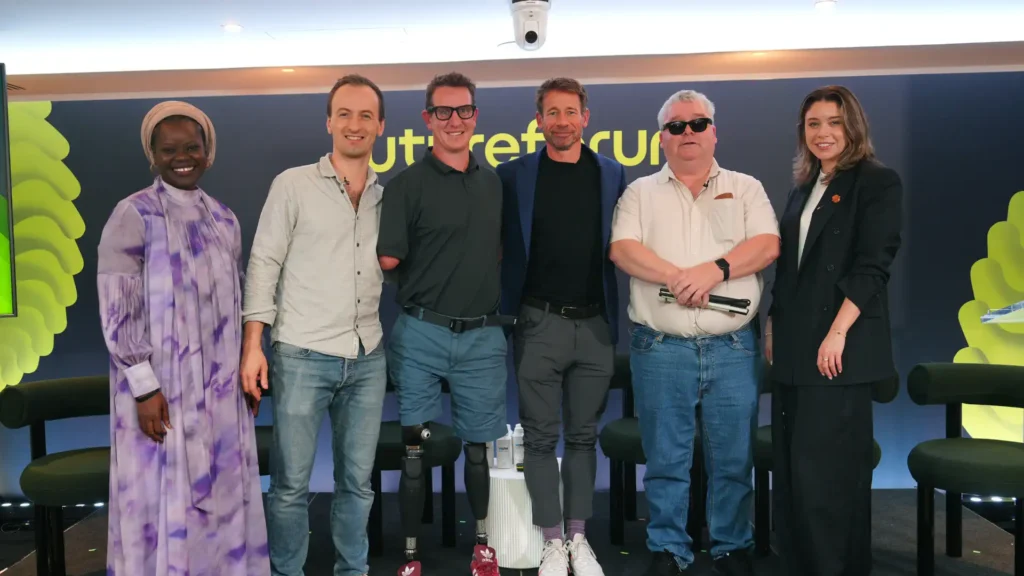
In conversation with Rhys Hopkins of Meta, Royal Marine and Paralympian Jon White discussed how AI glasses support his daily life, safety, and paralympic training.
White, who lost three limbs in a bomb explosion in 2010 and recently won a silver medal at the 2026 World Ocean Racing Championships, uses the glasses to enhance his kayaking performance.
The technology reads out key performance data, including split times and heart rate information, helping him train more effectively. A built-in camera allows him to capture footage for coaching feedback and create action content for social media, increasing engagement and sponsorship opportunities.
The glasses also improve his personal safety. Rather than looking down at a phone, White said can receive navigation guidance audibly, allowing him to look around and avoid potential hazards.
Asked by Hopkins what other functionality he would like, White replied that he is excited about the new Meta Display glasses
“They will take everything a step further. Being able to see messages rather than hear them – it feels more discreet than getting things read out. There will be more seamless interaction.”
Supporting blind and low-vision communities
Next up, Gillian Shanahan, Strategic Public Policy Manager at Meta, spoke with Brian Manning, a Vision Ireland advocate who has been using Meta AI glasses for two years.
“AI is useful for everyone,” he said, “But they are so beneficial to people with sight-loss.”
Asked how it has changed his life, he told the audience that the glasses enable him to read mail independently, explore restaurant menus without assistance, and identify items such as clothing colours, records, CDs, and tins of food.
“For me these glasses are almost solely assistive technology. They help people with a disability to get through their lives,” said Manning.
Asked by Shanahan how the technology reach more users, Manning said he would like to see AI glasses designed for people who are deaf-blind, which would bring further enhanced quality of life.
The innovator: a glimpse of what is next
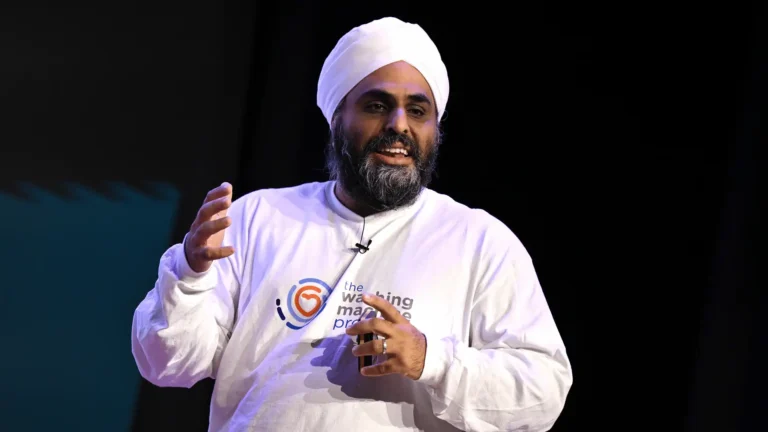
Patrick Pijnappel, Co-Founder and Co-CTO of Supermoon, took the audience into the world of new possibilities for smart AI glasses – bringing them into the real world.
“We’re focused on using AI when you are out and about – on vacation, a cruise at a theme park or visiting a museum – times you want to be in the moment, not stuck in your phone with clunky apps. We want to answer your question without digging through menus. We want you to get back to enjoying the experience,” said Pijnappel.
Describing the experience as closer to visiting with a knowledgeable friend than being a guided audio tour, with fixed scripts replaced by more of a conversation, he said: “The first time you experience that it feels magical.”
At the close, he asked everyone to consider what AI would look like once it moves from being convenient for work to something that can be with you on the go.
“What if is not just Q&A, but it can initiate and connect you with information when you are out and about? This is not in the distant future – it is starting to roll out in the near future.”
Related podcasts

How Wearable Tech Is Revolutionising Stroke Recovery with Dr Laura Salisbury
What if millions of people living with paralysis could regain movement—without invasive treatment? In this episode of Tomorrow by Future Forum, host Oli Barrett sits down with Dr Laura Salisbury – Founder and CEO at KnitRegen, to explore a breakthrough in wearable neurotechnology that could transform stroke recovery and rehabilitation.…

The Future of Healthcare, AI & Creativity | Live From Greater Together LA
What happens when entrepreneurs, diplomats, technologists, creatives and innovators from completely different industries come together in one city? In this special on-the-road episode, Oli Barrett travels to Los Angeles for Greater Together LA, the UK’s largest ever trade delegation to the United States. Across a remarkable few days, Oli speaks…
Related speakers
-

Aïda Ndiaye Head of Policy Campaigns, Europe of Meta
Aïda’s profile -

Jon White Motivational Speaker and Former UK Royal Marine
Jon’s profile -

Gillian Shanahan Public Policy Strategic Campaigns Manger, Europe of Meta
Gillian’s profile