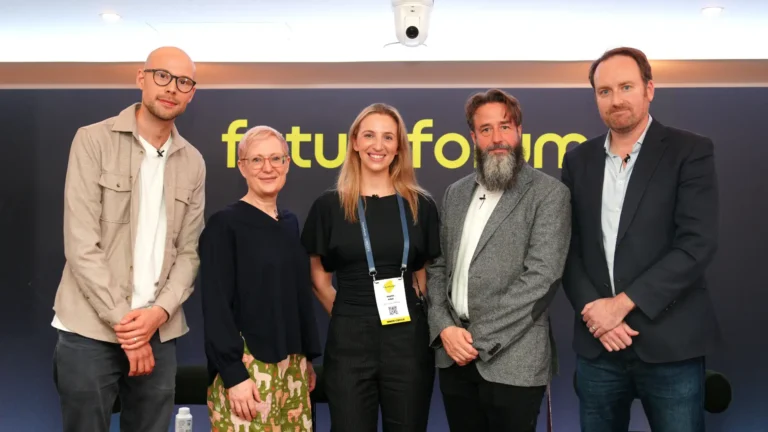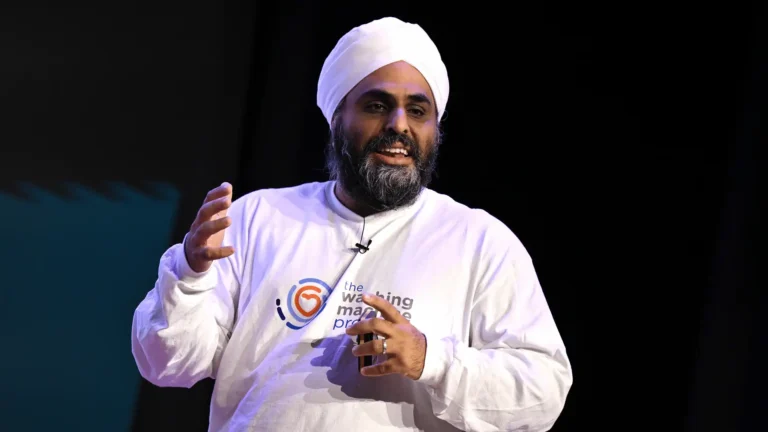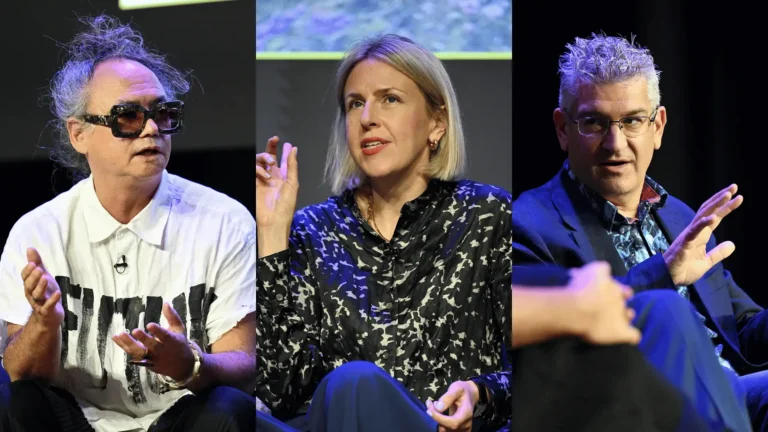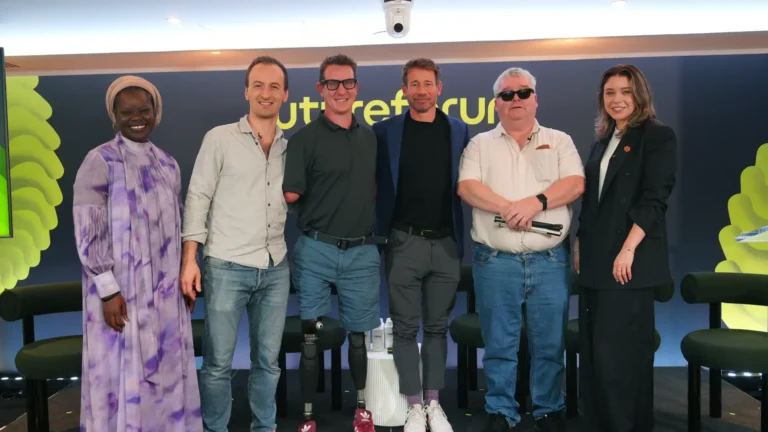
After a near-death experience, Omaze co-founder Matt Pohlson began questioning the fears that shape our choices. At Future Forum, he explored what that change meant for leadership, ambition and making a positive impact.
For four and a half minutes, Matt Pohlson says his heart stopped. His account of the emergency, and his family’s determination to bring him back, opened a deeply personal conversation at Future Forum about how fear can influence the way we live and work.
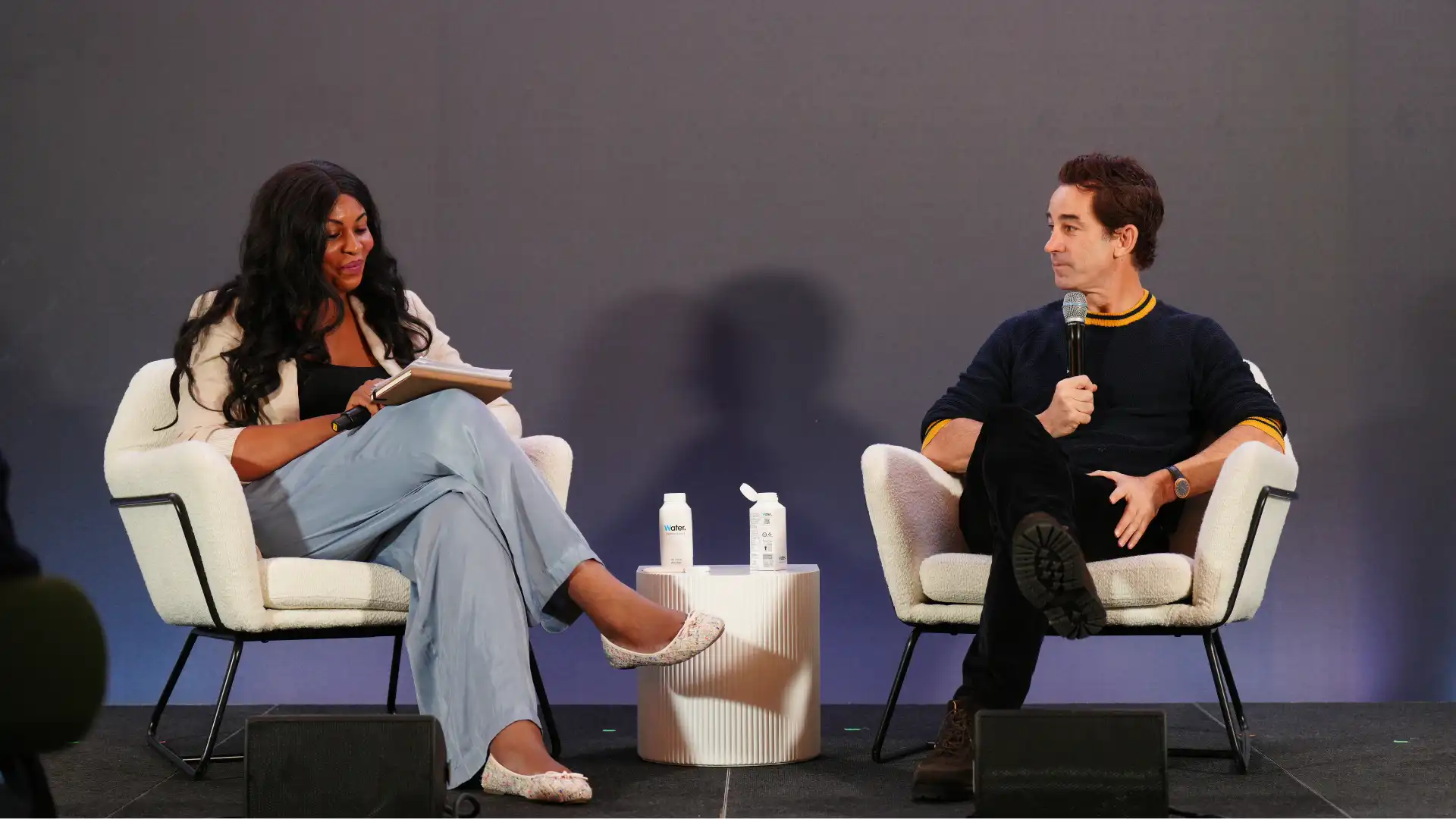
Speaking with Jamila Saidi from Culture3, Pohlson described how the experience changed his relationship with risk. He had previously worried about being accepted and making the wrong choices. Afterwards, he found it easier to recognise those fears without letting them dominate his decisions.
The decision behind the decision
One consequence was a willingness to make unpopular business calls. Pohlson described moving Omaze’s focus from celebrity experiences in the United States towards house prize draws in the UK, despite doubts from his team and board.
The lesson wasn’t that every bold decision succeeds. It was that leaders need to distinguish considered judgement from anxiety disguised as caution. Pohlson advocated taking time to notice the emotional state behind a decision, rather than reacting immediately.
Impact isn’t the alternative to success
He also challenged the familiar choice between building a profitable business and doing good. Omaze was designed so that its commercial activity also supports charity partners; in his telling, the relationship between revenue and giving is part of the business model, not a separate obligation.
He discussed the company’s support for Great Ormond Street Hospital and the possibility of funding new treatments. Specific fundraising totals and medical details are Pohlson’s claims and should be checked independently before publication. Building a culture that can take risks
Inside a company, Pohlson argued, stated values matter less than the behaviours people practise. Omaze describes these as virtues: repeated actions reinforced through hiring, feedback and team conversations.
He spoke about creating space for leaders to discuss mistakes openly. Accountability and psychological safety, in this view, are not opposites: acknowledging what went wrong can make it easier to try something ambitious next time.
His most practical suggestion was disarmingly simple: when fear rises, breathe. He wasn’t promising fearlessness, only a way of moving through fear without allowing it to make every decision.
At Future Forum, that offered a useful question for entrepreneurs and leaders alike. What might we attempt if we were a little less worried about getting it wrong?
Related podcasts

How to Stay Healthier for Longer with Dr Sophia Pathai On The Future of Ageing & Prevention
What if the biggest challenge facing healthcare isn’t helping us live longer—but helping us stay healthier for longer? In this episode of Tomorrow: Future Forum, Oli Barrett MBE is joined by Dr Sophia Pathai, Founder & CEO of AZM, physician, scientist and author of The Longevity Code. Together they explore…
Can Manchester Become Europe’s Innovation Capital with Dr Karim Bahou
In this episode, Oli Barrett MBE sits down with Dr Karim Bahou, Head of Innovation at Sister, Manchester’s £1.7 billion innovation district, to explore the future of technology, entrepreneurship and economic growth. From artificial intelligence and synthetic biology to startup ecosystems and the power of place, Karim shares why the…
Why Britain Is Wasting Its Greatest Source of Talent with Maggie Philbin OBE
Maggie Philbin OBE, CEO TeenTech and Technology Broadcaster joins Oli Barrett for a fascinating conversation about technology, education, opportunity and the future of work. Drawing on decades spent exploring innovation and her work as founder of TeenTech, Maggie explains why Britain’s biggest untapped resource is the talent sitting in classrooms…
Related speakers
-
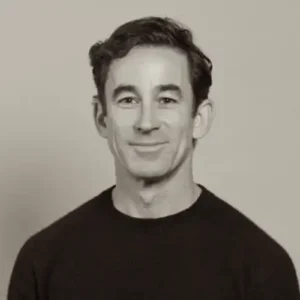
Matthew Pohlson CEO of Omaze
Matthew’s profile -

Jamila Saidi Chief Growth Officer of Culture3
A growth strategist who moved from opening markets to opening cultural conversations.
Jamila’s profile