There’s a lot of concern about AI, misinformation, technological disruption and social upheaval, yet societies have negotiated their way through transformative moments before.
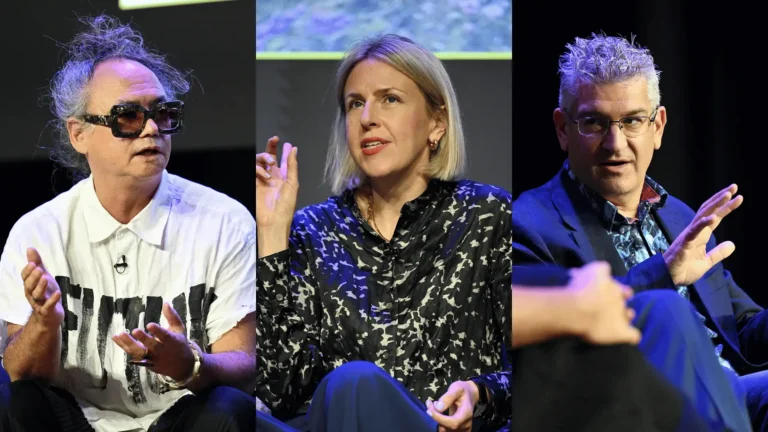
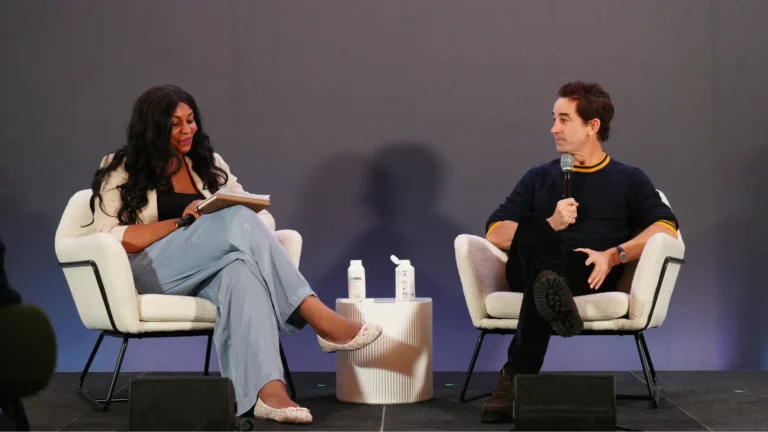
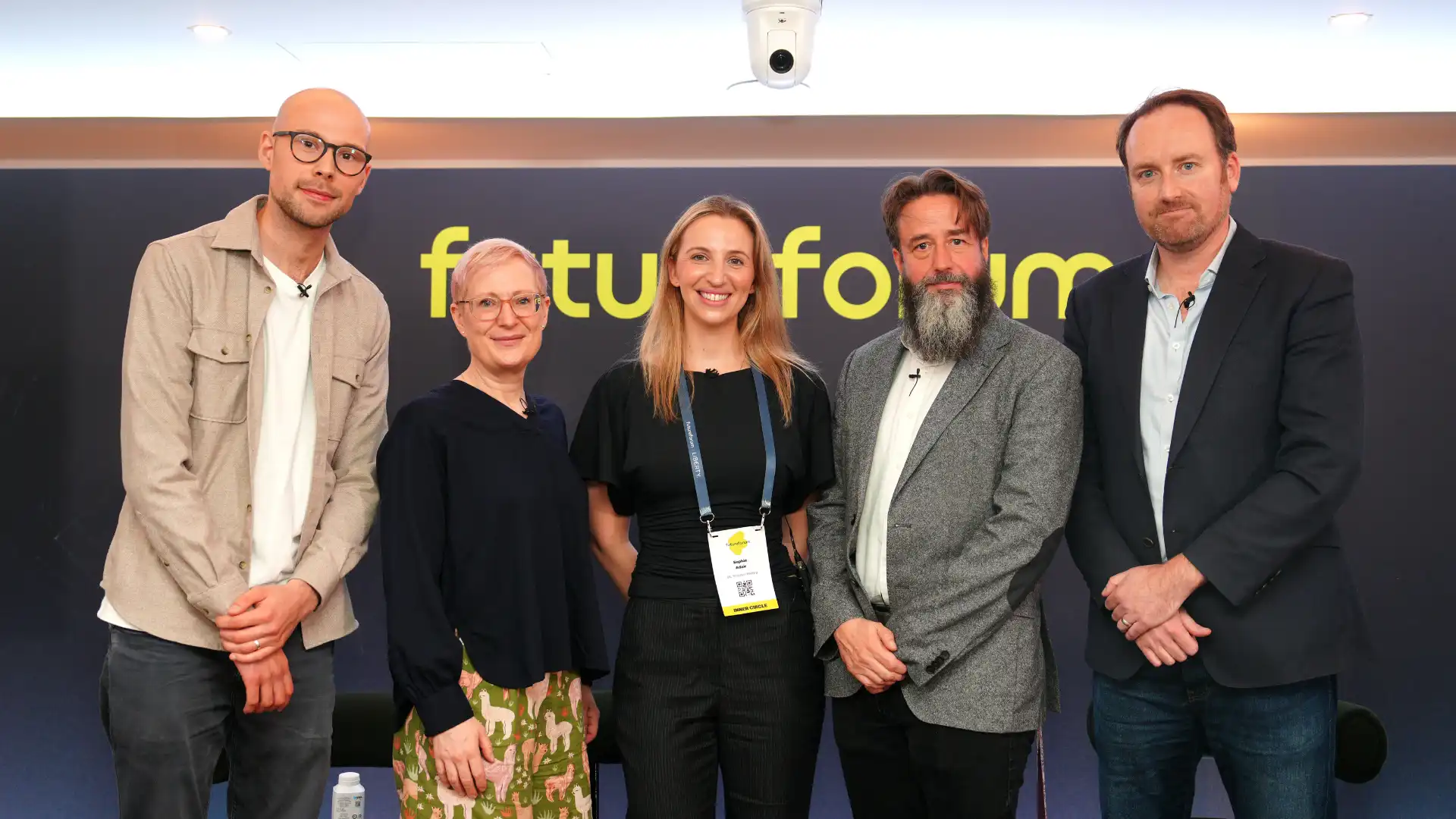
Joined by a panel of innovative thinkers working across media, culture, academic research and historic collections,Lee Wilkinson, Chief Information Officer, DC Thomson, led a discussion to explore how AI is creating new possibilities for understanding social history.
With the UK possessing vast archives and historical collections that have tended to exist as fragmented datasets, he set the agenda by saying: “AI now allows researchers to identify connections across records, reconstruct individual lives, uncover patterns and develop new forms of storytelling that engage wider audiences.”
So, how can AI enhance our understanding of the past?
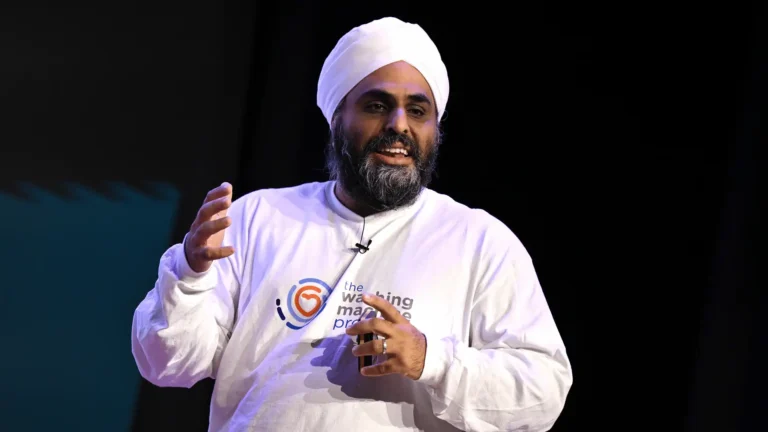
A strong example came from Sophie Adair, DC Thompson History, who is using AI to recreate the stories of soldiers named on WW1 memorials.
Why? Because some 108 years after the WW1 armistice, research shows that only 27% of people can name someone on their local war memorial.
AI, however, has enabled the team to connect military records, census data, birth and marriage records, family histories and newspaper archives to create a military lives graph. This links soldiers to families, communities, workplaces and regiments, revealing relationships and connections that would have been impossible to discover manually.
Launching in time for Remembrance Day, some 9,000 memorials and 100,000 soldiers have been documented. And crucially, all stories are linked back to original sources, allowing people to verify the evidence.
Adair says it is just the start…
How can the UK’s historical collections become an active national asset for research, innovation and public understanding?
The histories of the two world wars may seem well documented, but AI can help institutions to uncover previously overlooked stories and challenge established narratives, said Dr Mia Ridge, Digital Curator for Western Heritage Collections and Head of Service, Museum Data Service, British Library.
“We can also use them to plug gaps – what stories were not being told – what is not in the records and why.”
Jonathan Laramy, Director at Majestic Studios, creator of the AI-generated Chloe VS History channel, added that AI’s ability to connect millions of records and process unlimited data from audio, text, images and video was helping to create richer accounts of the past.
“We’re getting closer to accuracy, but it still needs human intervention,” he said.
Professor Jonathan Fennell envisaged that AI could be used, say, to link oral histories at the Imperial War Museum with letters in the National Archive to tell the story of who people were and what they were thinking. “If we could follow every individual through their experiences of war, that would transform our understanding of the past and the realities of our present.”
How can we embrace AI’s capabilities without losing the provenance, context, accuracy and trust that give historical evidence its value?
As AI-generated content becomes more convincing, the panel agreed that trust becomes increasingly important and AI’s potential must be balanced with transparency and human oversight.
Wilkinson summed up, saying that collaboration is the key challenge for the next five years. By connecting archives, data services, researchers and technology partners, the hope is that the UK can build a shared national resource that not only preserves the past but helps society better understand its future.
Related podcasts

How to Stay Healthier for Longer with Dr Sophia Pathai On The Future of Ageing & Prevention
What if the biggest challenge facing healthcare isn’t helping us live longer—but helping us stay healthier for longer? In this episode of Tomorrow: Future Forum, Oli Barrett MBE is joined by Dr Sophia Pathai, Founder & CEO of AZM, physician, scientist and author of The Longevity Code. Together they explore…
Can Manchester Become Europe’s Innovation Capital with Dr Karim Bahou
In this episode, Oli Barrett MBE sits down with Dr Karim Bahou, Head of Innovation at Sister, Manchester’s £1.7 billion innovation district, to explore the future of technology, entrepreneurship and economic growth. From artificial intelligence and synthetic biology to startup ecosystems and the power of place, Karim shares why the…

Why Britain Is Wasting Its Greatest Source of Talent with Maggie Philbin OBE
Maggie Philbin OBE, CEO TeenTech and Technology Broadcaster joins Oli Barrett for a fascinating conversation about technology, education, opportunity and the future of work. Drawing on decades spent exploring innovation and her work as founder of TeenTech, Maggie explains why Britain’s biggest untapped resource is the talent sitting in classrooms…
Related speakers
-

Jonathan Laramy Director of Majestic Studios
A history enthusiast who believes the past becomes interesting when it stops feeling distant.
Jonathan’s profile -
Prof. Jonathan Fennell Professor of History of War and Society of King's College London
Jonathan’s profile -
Lee Wilkinson Chief Innovation Officer of DC Thompson
A digital product leader who moved from publishing the present to making the past easier to find.
Lee’s profile