The weekend London turned code into craft
At the Southbank Centre, Peckham Digital brought together artists, coders, makers and musicians to show what happens when technology stops…
At the Southbank Centre, Peckham Digital brought together artists, coders, makers and musicians to show what happens when technology stops being something we simply consume.
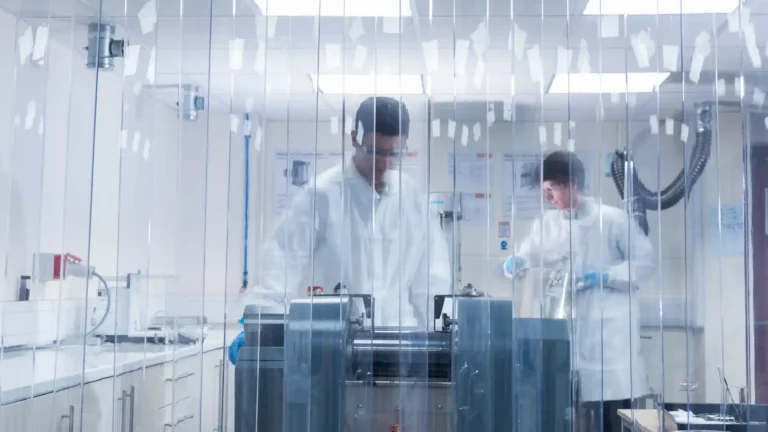
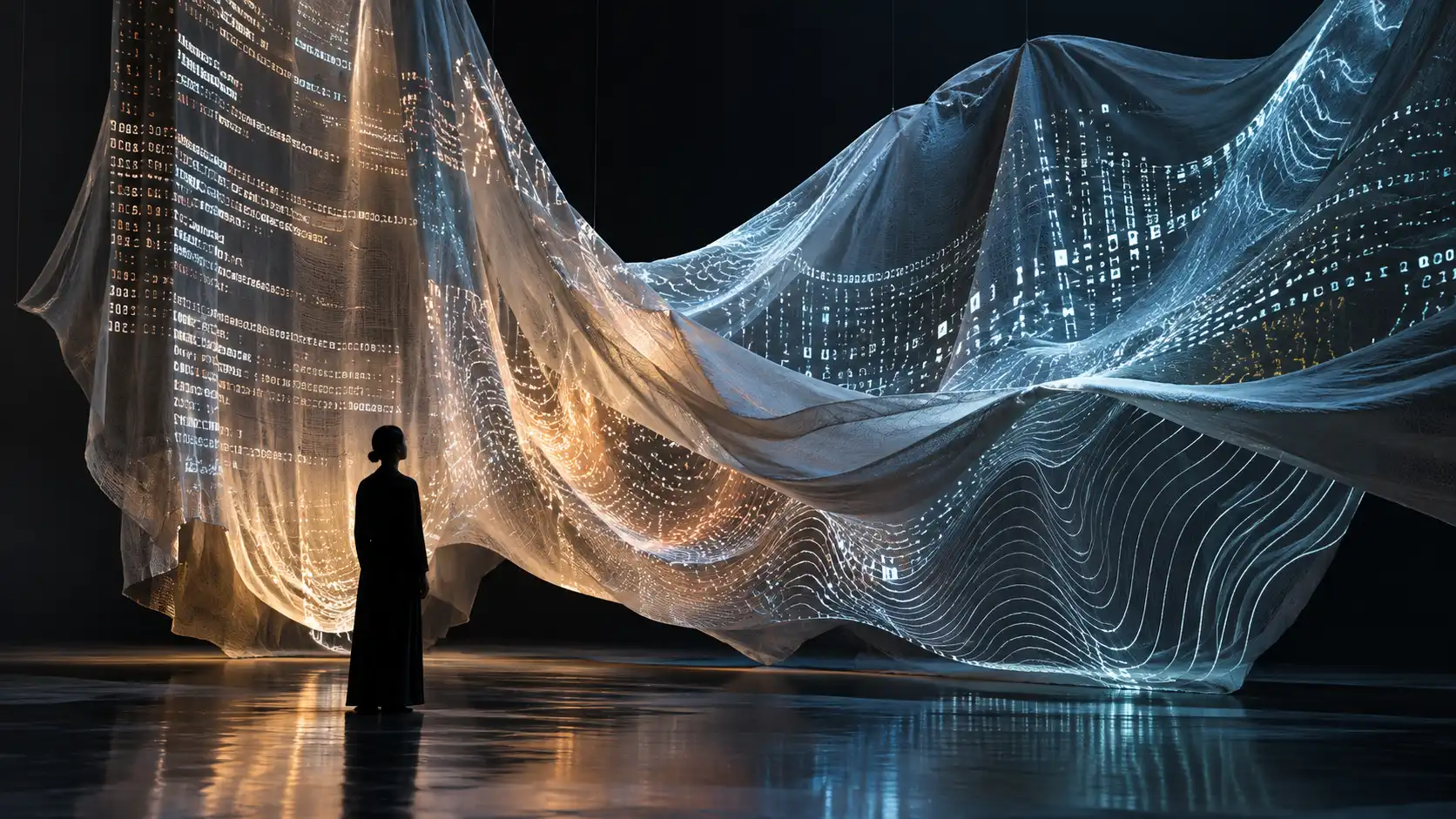
Earlier this month, seventeen artists and collectives took over the Southbank Centre with electronic looms, 3D clay printers, robots, live coding and a simple proposition: technology shouldn’t belong only to specialists.
The weekend was curated by Peckham Digital, a community interest company built around creative computing. But this wasn’t a conventional technology showcase.
The emphasis was on getting involved.
Visitors could design digital tiles, experiment with computational art, watch code become music and encounter a loom that brought traditional weaving together with electronics. The programme mixed installations and performances with drop-in workshops designed so that people could continue experimenting after they went home.
That last part is what caught our attention.
We spend a lot of time talking about access to technology in terms of devices, connectivity or skills. Peckham Digital approaches it from another direction: give people permission to make something with it.
Its philosophy is deliberately collaborative – what it calls a “do-it-with-others” approach, using peer learning and practical experimentation to make creative technology feel less like a specialist discipline and more like a material anyone can pick up and explore.
There’s something important in that.
As AI, robotics and other emerging technologies move further into everyday life, most of us experience them as finished products. Someone else builds the system. We press the button.
But creativity tends to happen before the edges have been tidied away.
When a textile artist encounters electronics, when a musician encounters code, or when a ceramicist gets hold of a 3D printer, the interesting question isn’t simply what the technology was designed to do.
It’s what else could it do?
That is why spaces like this matter. They make technology tangible enough to question, pull apart and repurpose – and bring together people who might otherwise never find themselves working on the same problem.
You don’t always get new ideas by going deeper into your own field.
Sometimes you get them by leaving it.
At the Future Forum Flagship in King’s Cross this October, we’ll be creating more of those collisions – bringing different disciplines, industries and perspectives together to see what emerges.
Related podcasts
What Should Young People Change About Education? | The BRIT School Students Shaping Their Future
What happens when young creatives are given the freedom to explore, collaborate and find their own voice? In this special edition of TOMORROW: The Future Forum podcast, Oli Barrett MBE speaks with BRIT School students Jaden and Annie about creativity, education, ambition and the future they want to help…
The Future Needs Original Thinkers | Stuart Worden OBE on Curiosity, Creativity & Ambition
What can the BRIT School teach us about the future of education, creativity, leadership and work? In this episode of Future Forum, Oli Barrett MBE is joined by Stuart Worden OBE, Principal of the BRIT School, to explore what it takes to develop original thinkers in a rapidly changing world.…
The Future of Creativity: Why AI Won’t Replace Human Imagination with Julian Douglas
What happens when one of the world’s leading creative agency CEOs looks at the future of AI, creativity and human potential? In this episode of Future Forum, Oli Barrett MBE sits down with Julian Douglas (Dougie), Group CEO of VCCP, Chair of UK Advertising and one of the most influential…
Join the conversation at our event
Flagship Event 2026
Three days of focused discussion, cross-sector sessions, hands-on studios and unforgettable gatherings.
Related speakers
-
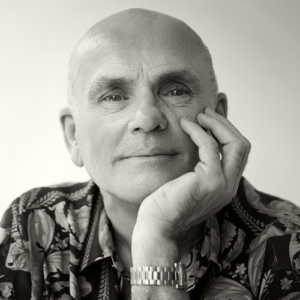
Roja Dove Creator of The Roja Dove Perfumery
A perfumer who treats scent as memory made tangible.
Roja’s profile -
Stuart Worden OBE Principal of The BRIT School
A theatre-maker who moved into education – then spent three decades defending free creative opportunity.
Stuart’s profile