From the evolution of the internet to the next generation of AI, Meta’s Alex Schultz explored why curiosity, experimentation and a willingness to adapt are essential to shaping what’s next.
Technology has a habit of changing the rules. The businesses that thrive aren’t necessarily those that predict what’s coming, but those willing to experiment, learn and adapt when it arrives.
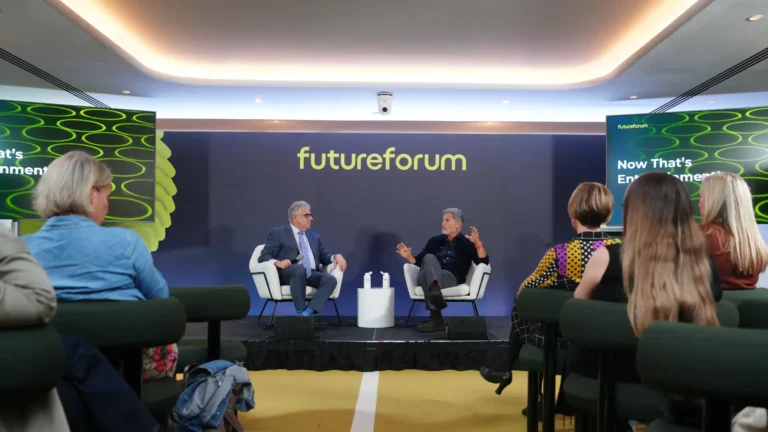
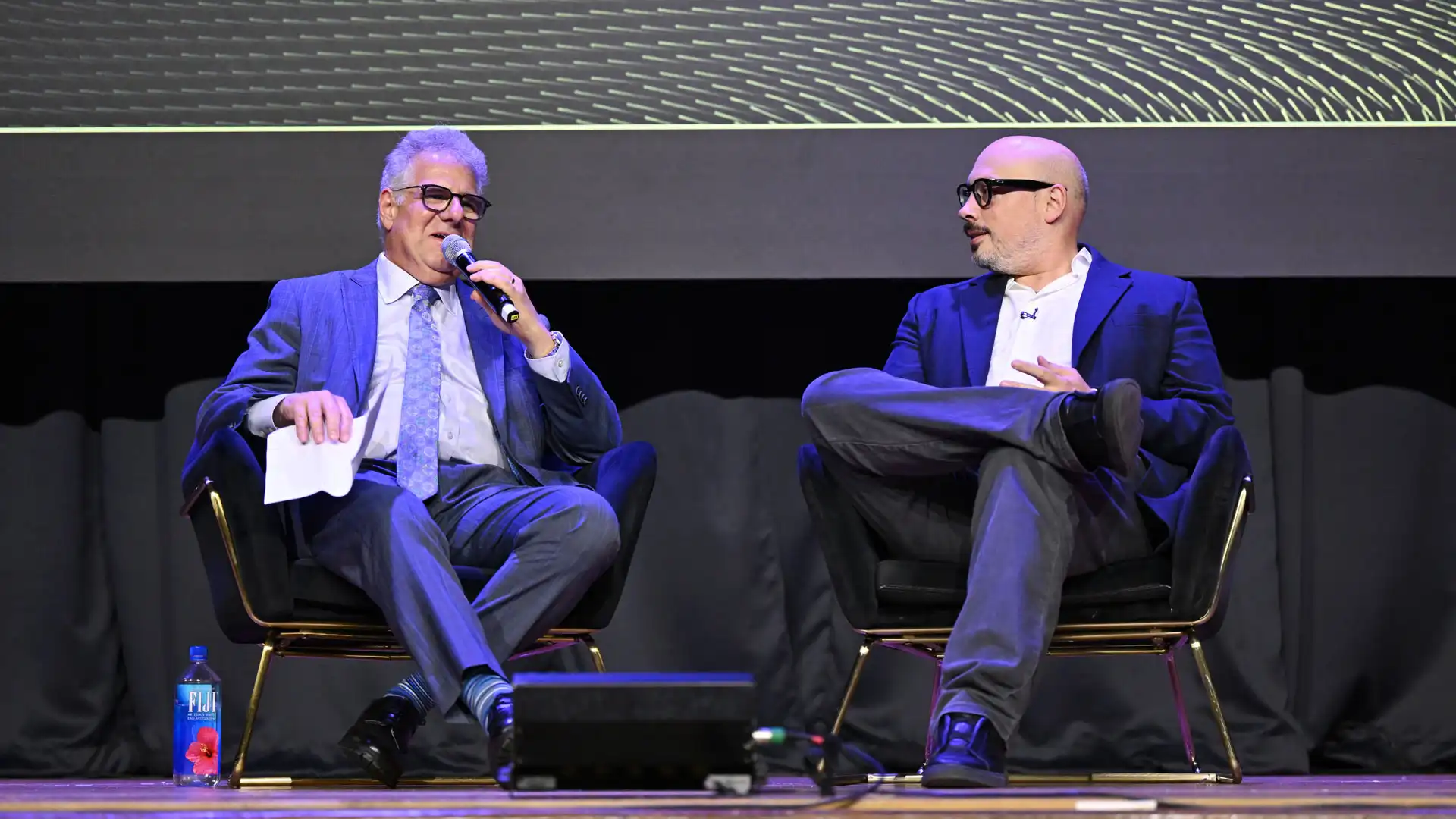
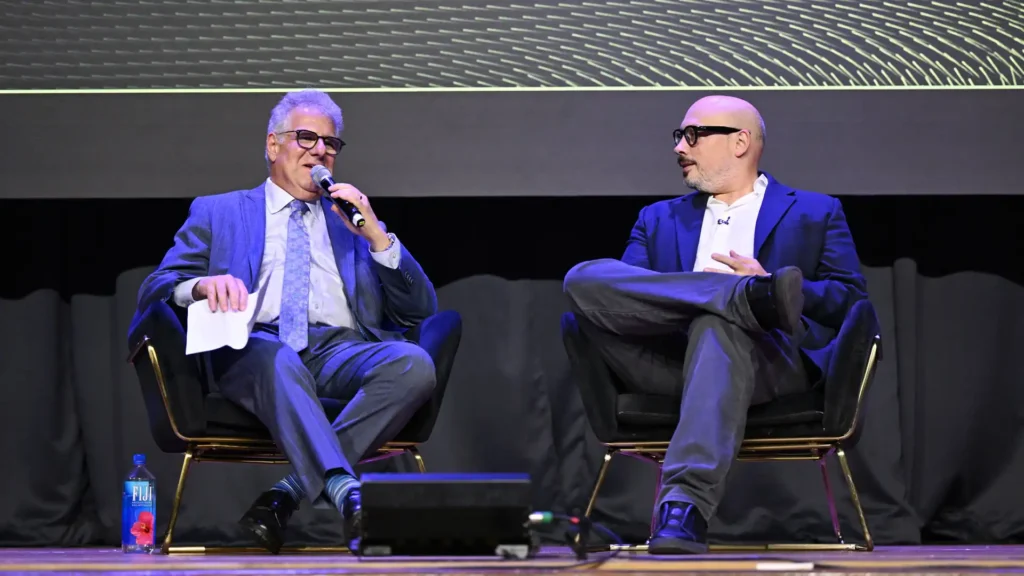
That was a central message from Alex Schultz, Chief Data Officer at Meta, in conversation with Matt Scheckner at Future Forum. Their session, Serious Play: Experimenting with Data at Scale, explored the evolution of digital technology, the opportunities presented by artificial intelligence and what it takes to keep innovating in a world where the pace of change shows no sign of slowing.
The next technology shift
Having spent almost two decades at Meta, Schultz has experienced several major transformations in how people use technology.
From the early days of social networking to the arrival of mobile and video, each shift has required businesses to rethink how they operate. Now, AI presents another turning point – one with the potential to reshape entire industries.
For Schultz, the lesson from previous technological revolutions is that established ways of working cannot be taken for granted. Industries have continually reinvented themselves, and businesses that embrace new tools can find opportunities to become more effective, competitive and creative.
Rather than focusing solely on the threat of disruption, he encouraged businesses to consider how emerging technologies could improve what they already do.Making data work harder
At Meta, where enormous volumes of information inform decisions and product development, the opportunities for AI extend well beyond consumer-facing applications.
Schultz discussed how AI could fundamentally change the way organisations analyse data, moving from systems that require people to ask specific questions towards tools capable of identifying patterns, suggesting further questions and helping teams make decisions.
But that future depends on getting the fundamentals right.
Well-structured data, clear documentation and reliable systems remain essential. AI might transform the speed and accessibility of analysis, but it still needs a strong foundation.
The prospect is a significant shift in how organisations work with information: less time spent navigating complex processes, and more time understanding what the data means and what to do next.
From disruption to opportunity
The conversation also explored a familiar tension surrounding emerging technology: excitement about its potential alongside anxiety about its consequences.
Schultz acknowledged concerns around AI, including its implications for employment and the wider economy. But he also pointed towards industries already finding practical applications, from manufacturing to agriculture.
His argument was that the value of new technology becomes much clearer when people experience tangible improvements in their everyday lives.
That makes experimentation important. Organisations need opportunities to test what works, understand where the benefits lie and develop the skills to respond as technology evolves.
And the responsibility doesn’t sit with businesses alone. Wider questions about how technology is introduced, governed and shared also matter.
The future belongs to the curious
Perhaps the most compelling takeaway was that innovation isn’t simply about possessing the latest technology. It’s about the willingness to question established approaches and discover what might work better.
As AI changes how we create, analyse and make decisions, the ability to keep learning could become one of our most valuable skills.
At Future Forum, where leaving your lane means exploring ideas beyond familiar boundaries, that message resonated.
The next technological revolution isn’t simply something to watch unfold. It’s something we can help shape – through curiosity, experimentation and the decisions we make today.
Related podcasts

The Future Needs Human Connection | Martina McDonnell on Marketing, Creativity & Connection
What happens to marketing when AI can translate, create and optimise at a scale we’ve never seen before? In this episode of Tomorrow, the Future Forum, Oli Barrett MBE speaks with Martina McDonnell, International Marketing Director at Meta, about the future of marketing, AI, global brands, creators, cultural relevance and…
Related speakers
-

Matt Scheckner Founder of Future Forum
A convenor who has spent his career building the rooms where unlikely worlds meet.
Matt’s profile -

Alex Schultz Chief Data Officer of Meta
A physicist who treats growth as an experiment, not an instinct.
Alex’s profile