0:00
We are in the foothills of a technological revolution that can transform humanity. What do we need to
0:05
get right? That vision of the future that we’re trying to create and paint here. If people can’t see themselves in
0:10
it and that they’re going to inhabit it and their children are going to inhabit it, then we’re going to more of the fractures that we see in our politics
0:17
today. And that’s that’s the bit for me is like the tech is going to happen. You know, that that’s that that isn’t the
0:23
bottleneck. the the bottleneck is leadership and making sure that we’ve got a sense that you know the political
0:29
system is working for everybody. We are the most creative nation I think uh bar
0:34
bar none in the world and certainly relative to our size. There’s some research that says that I think 60% of
0:40
the time the best team doesn’t win. So if we are to be an underdog, how does
0:48
this country get luckier? This conversation with Lord Jason
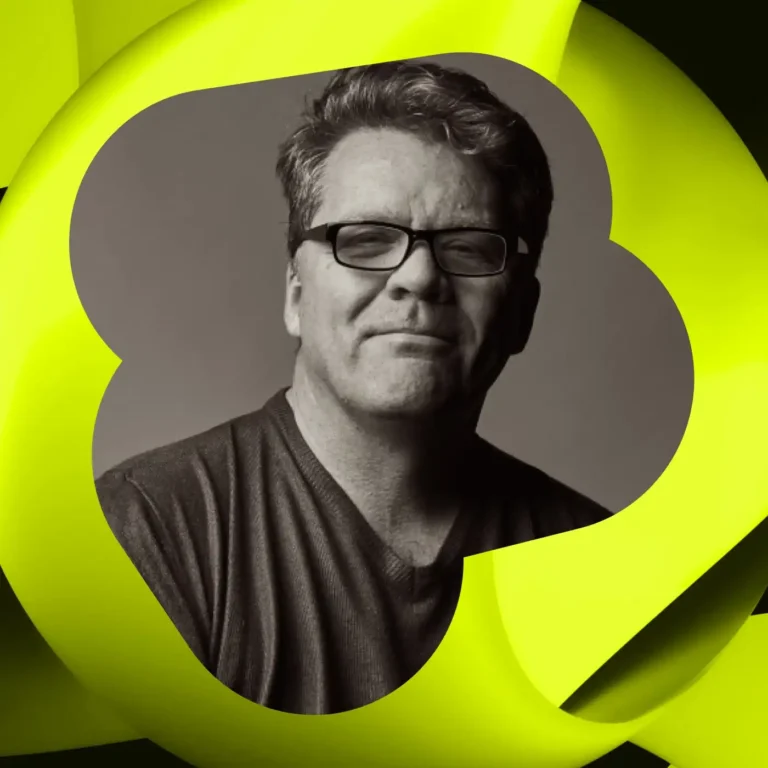
Introducing Lord Jason Stockwood
0:53
Stockwood was recorded shortly before he announced that he was stepping down as the UK’s Minister for Investment. Lord
1:01
Stockwood continues his work as the chair of the Office for Investment and remains a member of the House of Lords.
1:07
Hello and welcome to Tomorrow, the Future Forum podcast. Here at Future
1:13
Forum, we are all about bringing together very different people from completely different industries and
1:19
sectors to shape the future together. Our guest today is somebody who knows an
1:25
awful lot about leaving your lane. Lord Stockwood, Lord Jason Stockwood, has
1:31
worn several hats. Today he sits in the House of Lords. He’s the Minister for Investment for the British government.
1:38
over the course of his career, an entrepreneur, someone who has built some of Britain’s best known tech companies,
1:45
and someone with more than a passing interest in the beautiful game of
1:50
football. It is a great pleasure to say, Lord Stockwood, welcome to tomorrow.
1:56
Come on, Ollie. We’ve known each other for years now. Quit the Lord stuff. It’s only for our teenage kids, I insist on.
2:02
Everyone else is still just Well, Jason, thank you so much for joining us. Uh very happy to see you and
2:08
I ask all our guests on tomorrow. Um let’s think about the future. Look out
2:14
there. Give us a glimpse. Tell us what you see.
Why Britain is more optimistic than headlines suggest
2:19
Well, it’s well firstly thanks thanks for having me on. I really appreciate it. It’s it’s it’s a chance to sort of reflect a little bit on on where we are
2:26
as a country and what the future looks like. Like I’m I’m generally an optimist as you know like but if you spend all day reading the headlines or listening
2:33
to the news you think you know the UK was in terminal decline but it’s but it’s not. But if I think about the conversations I’m having with investors
2:39
with the founders with business leaders mainly with scientists with academics. I just think that we’re you got to believe
2:45
the opposite actually that there’s a real opportunity for the UK and I think you know if we think of what the future
2:50
could look like. I I’ve been involved with the group um in California for years. Um it’s called A360 and it’s
2:58
about this whole abundant mindset. I genuinely believe one of the reasons I came into politics was trying to make sure that there’s this whole world of
3:03
abundance I think is possible through the acceleration of technologies that we’re seeing now. That’s AI, quantum
3:10
computing, robotics, biotech, you know, list goes on and the combinational effect of those um you know genuinely
3:18
could create a transformative world for all of us. So I I see a world I think we’ve got we got to build a bridge to
3:23
get there over the next 10 or 20 years which is one of the reasons why I’ve come into politics to try and be a part
3:29
of that. But I genuinely see a world for for for for younger people that we can
3:35
completely redefine human purpose. I think the last hundred years we’ve got into a some zero some thinking about
3:41
human purpose being defined by our economic output alone. we kind of lost sight of the fact that it should all be
3:46
about human flourishing, our capability to to really thrive and and that’s the world I can see when our material needs
3:52
can be met. Um then you know how can we create you know a picture of the future
3:57
that is so abundant and that everyone participates in that’s the important part they’re part of our economy of our
4:03
world of our of our country you know really gets to participate in that. So that that’s the future I’m I’m I’m I’m
4:09
trying to help build and be a part of. What’s been poured into that answer is of course all of your experiences, the
4:16
conversations you’re having around the world about Britain and also this extraordinary variety of people that you
4:22
get to meet on a daily basis. So why don’t we zoom out a bit and just paint us a bit more of a picture about what
4:29
your role today involves. And I of course want to talk about uh how you got there and um where you think all of this
4:35
uh can take us, but ju just paint us a picture because in essence this is about connecting a lot of the world’s capital
4:42
with Britain. Yeah, exactly. And so and so um you know I I came into government just just under
4:47
a year ago now. In fact, it’s a year next month. And um you know the office for investment which I’m fortunate to be
4:53
the minister in is is probably the least political part of government. You know really what we’re trying to do is as you
4:58
say we’re trying to collect capital and it can be global capital can be you know pension funds sovereign wealth funds
5:05
private equity wherever it comes behind it was and try and tell the story about the UK and I think you know one of the
5:11
things that um well actually there’s a second half of the role as well before I move on which is also being a connector
The UK’s competitive advantage in the AI era
5:17
for businesses and investors into the UK government. So I sit I’m a minister in the treasury and the department of
5:23
business and have a you know weekly call into number 10 as well and we try and help businesses navigate government as
5:28
well because you know it is complex and it will always be complex just by the nature of you know the the the the job
5:34
in hand and so partly also trying to be you know someone who’s come from a commercial background trying to somewhat
5:40
you know translate what business wants into policy and into advice for the
5:46
chancellor the PM secretary of state as well. um and you know trying to be someone who’s got a bit of a broader
5:51
experience in the commercial world. But but to your question about you know what we’re seeing you know it’s we sometimes
5:56
forget that that you know everything that we do is relative to what’s going on on a global stage you know um and and
6:04
you know it’s the nature of you know of who we are as a species that we try and focus on what’s right in front of us as
6:10
a country as people but you know the relative contract context for the UK is really important as well you know we’ve
6:16
got you know we’ve got an opportunity to build the UK as a platform I talk about you know where it’s our comparative
6:21
advantage is really both our our intellectual capability and the trust in our overall market whether that is you
6:28
know world-class universities whether that is you know deep financial markets legal structures that we’ve got that gone back you know back to the 11th
6:35
century in many cases and then you know creative capability entrepreneurial capability as well so we’ve got this
6:40
we’ve got all of these assets and when we sort of you know we think about what we have a capability we also have to
6:46
remember we’re part of a globalized system now there’s no putting that genie back in the bottle and so so being able
6:52
to talk about, you know, where we are as a nation and what our strengths are and the opportunity to pitch ourselves
6:59
against other countries. We come out really strong still on that. In terms of how that’s evolving and how you think
7:04
that could evolve over the next 5 or 10 years, there are some things there when
7:09
people talk about rule of law, about trust, of course, about Greenwich meantime and so on, English language.
7:16
Um, these are things that could have been said for decades and decades. I want to take us a bit more to what
7:22
you’ve seen shifting in terms of the story we can tell about ourselves and about how we’re seen as well. How do you
7:28
see it moving? Well, I think I think that the play I have I have a massive bias in this as
7:33
you know. I think I think the the story of the UK is are we going to become use those assets that we’ve talked about
7:39
rather than just going over them again and build into a system where we take advantage of this technological
7:44
revolution that we’re in that we’re already in and how we capitalize that as the world’s you know greatest adopter of
7:50
these technology. We’re going to invent some of them, but the important bit is the adoption. Having the rules, regulation, and system that allows us to
7:56
adopt those to create prosperity, to create that sort of world of abundance I talk about, and then also to make sure
8:02
that it benefits every part of our country as well. So, I think that’s that’s the change in we’ve got this amazing platform, the right hundreds of
8:08
years old. And by and by the way though it’s worth it is worth saying one of the things that I didn’t realize as strongly
8:14
as when you go traveling around the world at tour it’s you know you get off a plane in you know some some some far-flung part and people start
8:20
mentioning Manchester United and Bobby Charlton and you know but actually it goes really deep as I’ve realized I was
8:26
traveling as a as a as a politician you know people’s connections into our education system or connections into our
Growing up in Grimsby
8:33
culture beyond football or connections into you know thinking about the businesses that they know and want to
8:38
invest And so it it it’s you know as as a tourist you think it’s quite trivial and quite superficial on a cultural
8:44
level but it’s really deeply ingrained in in our position in the world over the last 100 years. So 100 years. So I think
8:50
adapting that to make sure we take the benefits of that and then become the greatest adopter of technologies and
8:56
importantly point them at the problems that we’ve got as a society is is the opportunity that I see in front of us. Yeah. And I’ve been reminded so many
9:03
times, I remember doing a bit of work with a group called the Queen’s Young Leaders, just of the incredible affection that people around the world,
9:10
especially young people have for Britain, which might sometimes take some of us by surprise. Well, again, we’ve
9:17
gone into this bit of a doom cycle, haven’t we, of believing, you know, what we see in the news and everything that’s
9:22
wrong. in the I stopped, you know, you know, I cut back my my social media and news intake a few years ago and I just
9:28
noticed how much happier I was. Cuz there’s this thing, right? There’s this thing generally, you’ll know this, you’re an optimist like me and it’s your
9:35
experience of the world and people that you meet versus the experiences that you read and see in the news, they’re so
9:40
diametrically opposed. Like most people you meet are kind or interesting or desirous of wanting to help you and help
9:47
each others. And then you read, you know, you read and see in the news that the world’s going to hell in a handcuff. And they both can’t be true. So you’ve
9:53
got to be balanced and realize that look, we’ve got challenges undoubtedly in this country. And again, we can talk
9:59
about, you know, what I’ve did what I did after Simply Business going back into Grimby and doing the things I’ve done there. But on the whole, people are
10:06
people are really, you know, looking to build on trust and relationships to solve problems for themselves. And so
10:12
again, I really think it’s important to remind ourselves around, you know, the story of the media, you know, tries to
10:18
spoon feed us sometimes and just make sure we’re senseing that ourselves with the reality of what our experience is dayto-day. Yeah, 100%. So, as you might
10:25
have already uh detected, Jason, we’ve got a time machine uh at our disposal uh
10:30
for episodes of tomorrow. So, uh let’s jump in it. Let’s go back. I’m going to take you down to Grimby docks cuz
10:36
there’s a young lad working on those docks uh presumably who needed the cash at the time. Who who who’s he?
10:42
Oh, so he was like look he was um I don’t know the third person that’s always a worrying son. Yeah. No, I was
10:49
look I was a um I’ve got three brothers. I’ve all got different dads. I don’t know my dad is to this day was a loving
10:54
environment but we were skint and so consequently my mom was out working so we sort of brought ourselves up in many
11:00
ways or the community brought us up and then but so I was used to bunk off school a lot but I was bright but I just
11:05
never I had no role models for what how I would apply it and I really enjoyed school but just I failed my exams and
11:12
played a lot of football so but but people recognized in me somehow I see look back on there were teachers that
11:18
took a you know real interest in my well-being and And um so I I um I was
11:24
really fortunate and this is it’s weird looking back and my wife thinks it’s incredibly odd that I I had some friends
11:30
that went to scholarship school for scholarships in America and they were brighter than me but I just wrote a load. So I wrote probably a hundred
11:36
letters and it was a time when you would have had to write them and I got one back one reply back that was like an interview where they took kids from sort
11:43
of poor environments and um and put them in in high schools in America. So, so
11:50
but I needed some money to get there and so I I had no options. So I used to work as a waiter which was my first job which
11:55
I absolutely loved and then um yeah I needed a bit more money so I ended up you know getting a job on the docks and
12:01
oh like it just confirmed for me like but I’ve got this sort of at least I’ve got a benchmark of what hard work looks
12:07
like you know people think about you know spending a Friday afternoon on a podcast talking to a friend you know
12:12
this is that’s not work right so I’ve grafted so I did that for about six months and I was like look I’m just not
12:17
cut out for it was just physical labor it was every day it was intense I remember being cold all the time I was
12:23
this is I can either I can either sort of reconcile myself to this is this is what I’ll be doing and there’s no shame
12:28
or judgment in that you know completely but like I wasn’t cut out for it
12:34
and so it was a catalyst for me after did my scholarship I went traveling a bit more ended up in Israel on a kibort
12:40
I did a bunch of jobs I was a holdy rep and eventually I started got myself educated in my mid20s I started reading
12:46
and then got there but like so I did all kinds of stuff and I worked in contact centers I just think I’ve just context
12:52
was like when you’ve got just got to work and you’ve got no choice. I had no choice. I had no qualifications and a
12:58
mate of mine’s dad um you know offered me this job. So so but there was no choice and so again as you as you as you
13:05
go through your life it’s really funny for me that people see the risk that you take but there’s no risk cuz the downside for me I’ve been in and I’ve
13:13
had to go and do jobs which you know other people have to do dayto-day so I could always go back to that so it never
13:18
risky for me. So I think it’s a good benchmark on on on you know on things where you how you want to think about
13:24
your life. I guess it’s fascinating to me though in terms of when people do what in their lives
13:29
because let’s do a tiny pit stop um with our time machine. I’m looking through a window now at a well-known university. I
13:35
can see you there. That wasn’t in the script. Yeah. Again I said to my kids my
13:41
wife thinks I’ve got a bit of my brain missing. I’d like to just I’ got a bit more in it. sheet like I’m never I’m
From entrepreneur to government
13:48
always thinking about what’s next. It’s not in a dissatisfied way, but I’m really happy with. But every time I go through a gate of something, I’m always
13:55
like, that’s that’s interesting, but it doesn’t interest me beyond that. I’m always like, okay, well, what do I use this for now? How can I use this
14:01
platform or this capability? So, it’s really weird that I during co I was
14:07
talking to um I was at a bit of a crossroads. I was weird I was really uh you know, when Brexit happened, I was
14:14
sort of so bewildered and I just didn’t see it coming. And I was so sad about it. Um that I started to sort of think
14:20
about educating myself and then we got around to CO and I was still thinking about the problems. I’d read a lot about
14:25
it and I just by chance was introduced I was the government was doing a report on how we build back after after CO and the
14:32
lady that was interviewing I got introduced to was a lady called Dame Nari Woods and genuinely we’re on this
14:38
call together and she at the end of it we talked for about an hour and a half and the end of it she went quiet and I couldn’t tell whether it was a good
14:43
quiet or a bad quiet. I thought if I said the wrong wrong thing. So I asked her that question. I said you know she went what are you doing now? I said well
14:50
I am a bit of a crossroads like I’m doing investing and I’m doing X Y and Zed but I really think you know there’s
14:55
a bigger part to play in in sort of civic life. And she said to me genuine she said have you heard of the Batnet
15:01
School of Government? I was like no I haven’t. And she have you heard about your Oxford University? I was like that one that one I am familiar with. and she
15:08
said, “Well, we got the we’ve got these fellowships that are for people like you who have had one career and are thinking
15:14
about their next sort of stage of their life, but are thinking about some sort of public service, civic role.” [gasps]
15:20
And so, um, yeah, it was it was just a massive pill. I was so proud and like it was unexpected for a kid that left
15:26
school with very few qualifications of of notes to end up at 49, I think it
15:32
was, or 50 at arguably the best university in the world. And then that was again it was like a springboard into
15:38
into where I’ve ended up now really because it gave me the catalyst the confidence and over 18 months you know I
15:44
you know I joined the mast’s program I did the lectures on economics politics uh law and then also I the fellowship
15:51
gives you the privilege you can speak to any professor about sub I had 20 lectures about from Aristotle
15:58
subsidiarity to why the Roman Empire failed to Chinese capital it was amazing like Chinese capitalism had this amazing
16:05
educ And I was tempted to go and just become an academic and read and write but the entrepreneur me always says you
16:10
know what do I go and build and do off the back. So in a way that conversation might have changed your life because that that that
16:16
track then opens up in into government certainly in your mind I would think because presumably if you tell the young
16:23
Jason you’re going to be in the House of Lords what does he say? Well there’ll be two there’ll be two
16:28
words and need them would be polite I imagine. I mean, it was um I didn’t have a view of the future to be honest with
16:33
you. Genuinely, I was going from sort of job to job and experience to experience. I was curious, but I’d never had a
16:40
long-term plan. And you know, if I look back on it, I’d be lying to say I had any ambition for this. It just seemed it
16:45
seems so out of reach to be honest with you. It would have been I he would have he would have laughed or or told you
16:52
Second World would have been off probably [laughter] just it was an impossibility. But what when I look back
16:57
on it and again I say this to my own kids and any of the young people that have appeared to listen like it it makes
17:03
sense every small step of the way makes sense. I go through a door and then you look for the next doors but if I thought
17:10
about the long arc of my life it’s impossible and I’m I’m an outlier as well and you couldn’t have mapped it or planned it.
17:16
So you need to be lucky you need to be really lucky. You need to work hard. I’ve talked about I’ve read a lot about
17:21
this as well that hard work is a necessary but uh but it’s not a sufficient condition for success but
17:28
it’s necessary and then you need to be lucky and you need to be backed by people and you need to be really
What makes great businesses grow?
17:33
fortunate that people see stuff in you and open doors for you at every stage of the way. So, so I think but um yeah but
17:40
every every door I went through I could see my way to the next door each top but I couldn’t see the way right through
17:47
the journey in my life is that so so so let’s reflect on that a bit because um you know after some traveling
17:54
spending some time in the US you’re working at a well-known travel company Trailfinders you spot a job opening at
18:00
what went on to become well-known lastminute.com and there starts an almost domino rally of experiences
18:07
within some very fast growing tech companies. So what and which of course you ended up leading in some cases
18:13
including simply business you know millions of customers in the insurance space. What did you end up learning as a
18:19
secret source to how good businesses grow quickly? Well it was really weird like Brent and
18:25
Martha at last minute I walked into I said to them when I wrote my book a few years ago about the future of work and
18:31
technology. It was literally like walking into that business. I felt at home straight away. It was a meritocracy
18:37
in the in the in the in the in the truest sense of the word. Like if you had the koji convictions, they would
18:42
give you authority and power to just crack on and fail. So you walked in, it was an open plan office. Everyone sort
18:48
of looked like me. There were it was the first office I worked in that wasn’t uniforms and you know jeans and trainers. And this was a time before you
18:54
know people wearing jeans and trainers. It was one floor and it was just super ambitious but informal. I think that
18:59
probably that’s probably how I would describe myself. You know, it’s like people have mistaken my informality for
19:05
lack of ambition or drive. And culturally, we’re aware of that now, but at time I’d never found a business or
19:10
knew even businesses existed like that where you could be you could show up just as yourself, but you know, everyone
19:15
was working really hard having fun with it and wanted to and wanted to change the world, right? And I thought it was
19:20
just an amazing did lots of things wrong. Consequently, why, you know, it’s not Expedia today. It’s, you know, it’s
19:27
which is the business it could have been. But it was an amazing. And so that was the first thing is allowing people to be themselves at work and not
19:34
mistaken that like you have to step up and you have to work hard and be ambitious and really grind but in result
19:40
of that it created a great culture with like-minded people. So said the question of everything I’ve done since really.
19:45
Yeah. So, can I can I put a theory to you? Because one of the first times we ever met was when I took with some
19:52
colleagues a group of charity sector leaders into Simply Business HQ and the theme of our day was fixing hated
19:58
industries and you had deliberately moved into insurance because it wasn’t everybody’s most loved industry. So my
20:04
theory, Jason, is that there might be an extent to which part of what you’re doing in government some might call a
20:11
turnaround in the sense of a lot needs fixing and say I I just wonder whether I’m wrong to draw links or not. No,
20:19
you’re not. Do you know that’s brilliant you’ve connected that because I haven’t. But it was interesting. So I talked when I when I spoke to the chancellor when I
20:25
first first went into government, I work with Rachel now directly. I I I said
Can government learn from startups?
20:30
look we were labor was already a year in power and I used that analogy I was like the analogy this is a this is a
20:36
turnaround you know and and if you speak to people and go look it’s going to be tough for the first year 18 months
20:41
because the stuff we’re cleaning up from the last owners but stick with us we’ll all take the pain together and then
20:46
we’ll crack on and I thought I think that analogy for our country was exactly right now now Labour didn’t take that on
20:51
and you know I’m a team player and I know why now but I think that’s exactly it which is there are a lot of things
20:58
that are fundamentally wrong with the way, you know, our country’s been run over decades, by the way. Not I’m just I’d never point back to the last 14
21:04
years. This is a version of capitalism that we chose, a version of government that we chose, an individualized society
21:10
that we chose. And so, if we’d set that out and gone, we’re going to correct that and it’s going to be tricky for us.
21:16
We’re all going to have to contribute, but stick with us and we’ll keep you posted on what we’re doing. But there was sunny uplands and the sunny uplands
21:22
will be and and believe me I know people like the February update the chancellor
21:27
was going to do around the spring statement was that cost the bottom was under control inflation was coming down
21:34
it looked like we’re going to get a couple of interest rates cut so it was working but actually there was a you know the m mishapsical mishaps in the
21:41
first six months still people had undermined some of the trust I think so we were kind of shifting towards that
21:47
turnaround narrative so I think the observations really astute as always and spot on. It’s is exactly that and I
21:53
think that’s a story we should have told cuz I think instinctively that’s what we feel. You get five years hopefully four
21:58
and you tell the first bit we have to challenge ourselves but um but there is there is a way out of this
22:05
and that’s where we are. This is the thing I want to quiz you about because somebody might see someone with your
22:10
track record in business step into the role of investment minister and say all they’re going to care about is how we
22:16
grow a trillion dollar company or a $50 billion company. Except I have noticed
22:22
you care massively more about far more businesses than that and in far more
22:27
parts of the country than that. So take us inside your way of thinking it and the bigger picture. Well, there there
22:34
was a couple of reasons why why when I took the call, it was an easy yes for me because one, you know, in real simple
22:42
terms, our democracy only works if our economy works for everybody. So, part of the reason people are lurching to the
22:48
right and left in our politics is not because they’ve got a love of those system. There are some extreme people, but they’re few and far between in my
22:54
experience that most people just go, “The system’s not working, so we’ll try something. We’ll blow it up and try again.” And so, it’s that fundamental.
23:01
We’ve got to have a political system that drives the economy to every part of our country and I’ve seen that in Grimby
23:08
and actually you know with the new prime minister coming in that’s exactly what we’re going to see. So that that that diagnosis is absolutely spot on. The
23:15
more positive version of that is the second second reason I came in which is we are to our earlier conversation we
23:21
are in the foothills of a technological revolution that can transform humanity.
23:27
is that profound for us and the combinational effect of those technologies we can talk about if you like is going to create an acceleration
23:34
in a world of abundance. Whether you think about the two major inputs of you know of sort of material production
23:40
energy well you know whether we think about renewables or fusion or whatever it is or or nucle like there are a
23:46
number of technology in the next 10 years that could make the cost of energy out the capex close to zero and then
23:52
human labor as the other major determinant. Well, humanoled robots and robotics more broadly is going to really
23:59
accelerate the ability for tasks we can do, things we can produce. So, energy
Why technology isn’t the bottleneck
24:04
and labor the the in simple terms could become close to zero in cost. It won’t, but you know, radically different to
24:12
where we are today. And then the third strand of it is the the advances of combinations of technology we’ll create
24:17
in in in biotech and what they’ll do to human longevity, you know, our our sense
24:23
of health, our well-being, you know. So the these are real. They were sci-fi 50 years ago and you see them. We’ve got so
24:30
many technologies that are on the cusp of breakthroughs and AI and quantum is going to accelerate all of them. And if
24:36
we don’t um make the right series of decisions, these accelerations will be
24:41
made and leave potentially millions of people behind. So what do we need to get right? What do we have to change? Talk
24:47
us through how you hope the next or how you think the next few years has to
24:53
start to unfold. Well, it’s that thing again, Ollie, that we we’ve talked about this in the past, right? So the te technology is not the
24:59
thing. is the leadership and the systems and the and the social contract that we create. You know, I was um I was with a
25:06
group of entrepreneurs earlier this week and we’re saying about different technology. I’m like in the nicest possible way, the technology isn’t
25:12
doesn’t really matter. It our relationship as a species and our progress is about technology in service
25:19
of lifting us up, right? And so the technology is important, but it’s what
25:25
we decide to point that as a as a society is going to be more. So it’s about how we build systems of leadership, how we build systems of
25:32
trust, have we have the right regulatory frameworks and the political sense that we’re all participating in it because
25:37
the the if people don’t feel that vision of the future that we’re trying to create and paint here, if people can’t
25:43
see themselves in it and that they’re going to inhabit it and their children are going to inhabit it, then we’re going to more of the fractures that we
25:50
see in our politics today. And that’s that’s the bit for me is like the tech is going to happen. You know, that
25:56
that’s that that isn’t the bottleneck. the b the bottleneck is leadership and making sure that we’ve got a sense that
26:02
you know the political system is working for everybody and that’s why you know that’s why I think we’ve got a real
26:07
opportunity in the next three years to correct that right and what what do our leaders um
The leadership Britain needs
26:13
need to get better at in order for that to happen just be and be as blunt as you like well I think there’s an authenticity so
26:19
I think I think we all we can all smell BS right and I think the thing that the idea the sort of neoliberal thatism
26:26
reaganism that was about you be successful, your individual success, nothing no more important than a
26:31
shareholder return, it’s just nonsense, right? That has failed. It’s left too many people behind. So the sense our
26:36
leaders need to care about more than financial returns. So businesses aren’t
26:41
something distinct from the rest of society. Investors aren’t distinct. They are part of a system which a functioning
26:47
system that needs to work well. But the question is in service of what that wealth that we create is about how do we
26:53
build better communities? How do we build better relationships? How do we build a civic infrastructure because that’s the stuff that really matters.
26:59
That’s what connects us and gives us a life that we all want for ourselves. So there’s something about thinking
27:04
holistically. So the leadership that we need has to think of our system in the whole and not just about what business
27:11
does over here, politics does over here, technology, it’s all part of the same conversation and that’s hard. But our
27:16
leaders need to understand that it’s all in service of what type of country, what type of world do we want to live in and
27:22
having that conversation and making sure that’s a conversation that we all participate in rather than pitting us
27:28
against each other scraps of the super wealth. Right. And and it’s important because it
27:33
helps us to collectively acknowledge the the bigger wins. You must be very aware
27:39
as a trade minister that when certain multi-billion dollar investments or deals are announced, there might be
27:44
other people in the country who say, “So what? Why do I care? We have to join these things together.” Spot on. And
27:51
again, so I’ve been on a couple of the trade deals like and when you go to places like India that we we’ve talked
27:57
about in the past, you know, you you get them and I say the headline numbers people don’t really care about. I think I’m in Grimby the football and you talk
28:04
about we’ve done a deal that creates 10 20 billion of increasing trade. They’re like, “Yeah, but does that bring my
28:09
bills down? Does it mean I’ve got more jobs in my community?” So, it’s making sure that we don’t get obsessed as
28:14
politicians do just announcing large numbers. It’s really about does it create, you know, does it create better standard of living for people? Does it
28:20
bring our bills down? Does it create better jobs for young people? Does it create a more secure country for ourselves? And I think you’re starting
28:26
to see that conversation now because politicians have been obsessed with just announcing big numbers. But for most
28:32
people, we don’t really care. This is so abstract to us. What we really care about is what does it mean for my
28:37
community? What does it mean for the Jews? And I think so I think you’re seeing more of that now. And that’s that leadership, that authentic leadership
28:43
rather than just obsessing about large numbers. It’s about does this does this make our country better? There’s lots
28:48
more I want to talk to you about. Um I’ve got some quickfire questions, but first let’s hop in the time machine one
28:54
final time. Uh you’ve mentioned a well-known football team, Manchester United already. Uh in some ways,
29:00
actually, Jason, maybe I think I think it might be the Ryan Reynolds of entrepreneurship. Let’s think about that uh for a second. But um let’s go back to
29:07
the in the time machine to the night when the football club that you co-owned, that you’d invested in, that
29:13
you’d seen uh since your boyhood, Grimby Town, were drawn to play Manchester
29:19
United. H I don’t know if I’ve told this story elsewhere, Ollie. I don’t know
29:24
whether you but like it was the same night I got the call to be told I was going in the House of Lords. Did you know that?
29:29
I did not know that. Yeah. So I was away with my family and some friends. We were in um in in in
Grimsby Town, Manchester United & impossible victories
29:36
Leicester like a a cottage and um we all there’s about 20 of us and I’d um I’d
29:44
gone into this bedroom. There’s something even weirder about it actually. I got a call from someone at number 10. And I was literally in the
29:50
bedroom looking at a picture of the House of Lords, a painting. It’s really bizarre. I came out of that room and I
29:55
couldn’t tell anyone and the draw for the Caribbo Cup was on and we man so we all went mental and I had this whole
30:00
thing about like we’re planning to play Man United at home and as well as I’d just been told that I was going to be a
30:06
minister and as a result to be a minister I had I’d have to go in the House of Lords as well. So it is a most
30:13
bizarre night of my life and so um yeah abs absolutely incredible. I don’t know if I’ve told that story before, but it
30:18
was it’s weird looking at a picture of a of the like it was an 1878 p like a um
30:24
reproduction of a picture of the House of Lords. So that’s um so that’s an announce that’s that’s the that’s the time you
30:29
found out. But I don’t want to leave uh the listener or viewer uh on on on too much of a cliff edge if they don’t know
30:36
because off you go not to Old Trafford but to your home ground on the banks of the Humber uh a much smaller uh venue,
30:43
let’s just put it that way. uh drawn against one of the mightiest and probably the most famous football team in the world. Um how did it play out on
30:50
the night then? Well, also the theater of dreams for people in the sort of North Lincolnshire post codes. Um I was just incred. So we
30:58
first got the draw a little bit of me was like oh if we play at Old Trafford we’ll make a couple of million quid and you know we get a chance and we’ll get
31:04
thrashed anyway. But when it was drawn at home I genuinely was like we’ve got a chance. It’s ridiculous thing to say.
31:09
Maybe that’s the Grimby in me, the entrepreneur in me. Like, so and when when when they kept got off the bus, I
31:15
think I’ve sold this story elsewhere. Um was there’s a there’s a lady called Sharon that looks after the changing
31:20
rooms for us. And I went down to the back to see her. It’s the oldest stadium, oldest stand. It’s over 100
31:25
years old, our main stand. And Sharon had a Tesco’s bag. And I said, “Bloody hell, Sh’s no time to be doing your
31:31
weekly shop. Man United will be here in a minute.” And she went, “Oh no, we we had a text from Man United saying they
31:36
have a rider. They wanted a rider for Rub Amarim’s changing room. The manager’s changing room were like these
31:41
guys have no idea what they’re coming to if they think there’s a manager’s changing room. I said, “Look, our manager gets changed in the back of his
31:47
car.” I see. So, they got off the bus and you could see these these aren’t kids that have come from the UK where
31:53
they’ve cleaned boots and come up through the ranks. These are the kids who have been earning 20 30 grand since they were 18 and they just didn’t look
32:00
up for it. And so, I went on the radio. I was on um five live and I was like we’re going to beat this lot in extra
32:06
time and I said it and they just didn’t look up. It’s weird. It was and there was oh sorry so I said we’ll beat them
32:11
in penalties. There was no extra time and I thought that was it because the nature of the early rounds you only get
32:16
90 minutes then go straight to penalties and I just thought we had a chance and then we went two nil up and anyway long
32:21
story short we beat him on penalties and we you’re not allowed to do pitch invasions and a bunch of kids I was like
32:27
get yourself on what [laughter] a chance for kids these days. So my lad and his mates, they went down on the pitch and there was there was thousands of people
32:33
on the it was just the most magical night and you know and again without being too grandiose about it it does
32:41
speak to you know the sense that anything is possible not in a sort of figurative terms like if you can take a
32:47
club like Grimby with the history and story that we’ve got and we can take on Man United in a one-off situation and
32:52
beat them then literally anything is possible and I use it as a as an example which is on your day anyone can beat
32:59
anyone. And that’s the same every part of your life, right? If you’re a kid from Grimby, single parent counselor
33:05
state, you can get into the house and look like it’s a remote possibility and and things have got to fall into place,
33:12
but actually it was such a wonderful magical experience and and when I think about my lifetime as a Ginsby Town fan,
33:19
you know, that that will be part of our history for hundreds of years, right? So the ability to be there with my son, my
33:26
friends, my brothers and have that experience. That’s what it’s about, Olly. Right. Sense of connection and
33:33
love and identity and hope. Right. Right. Just that night. That night sort of
33:38
catalyzed and epitomized all of that for me. Incredible story. What what a memory as well that will last for for your
Can countries create more luck?
33:44
whole life. Um I’m going to draw together a few threads now. One is that Grimby Town uh conquering Manchester
33:51
United. The second is about Britain. Um, although one of the biggest, uh,
33:56
economies in the world, sometimes portrayed as the scrappy underdog. Um,
34:02
and the third thread is a subject you talk about a lot, which is luck. And I think sometimes you use that, in my
34:09
humble opinion, in a humble, sometimes self- aacing way, but it’s a serious point, isn’t it? Because back to your
34:15
football um stories um there’s some research that says that I think 60% of
34:20
the time the best team doesn’t win. So if we are to be an underdog or when
34:27
we are an underdog, how does this country get luckier?
34:33
So so this is I’m really glad you’ve asked me this. It’s something I’ve thought a lot about and I’ve written a bit about it over the years because
34:38
because luck is a pop. I’ve got a really good friend who I met through the football world, a guy called Tom Vernon
34:44
who’s an absolute visionary and one of my closest pals now who who who and he he always pulls me up on this and so we
34:50
had a backwards and forwards about six months ago on this because he he gets annoyed when I talk about luck and so we
34:55
we’ve had this whole this going backwards and forwards in person on WhatsApp around. So there’s a thing about entrepreneurs which is how you
35:01
receive luck as well. So luck isn’t it isn’t passive. So the idea that you can just sit in your bedroom and manifest
35:07
the world into existence is just right? But you can by your mindset receive. So we all get the same
35:13
information in the world and so if you have a more optimistic and sort of can do and inquisitive mindset then you see
35:20
things other people don’t see or you receive and will take stuff on that other people don’t see. So and and Tom’s
35:26
been a great great you know a great um adversary in this conversation. So I’ve definitely refined my view of luck which is it’s it’s somewhat arbitrary but it
35:33
can be increased it can be acknowledged and it can be embraced through an active an active disposition and an approach to
35:41
it as well. There was another phrase I heard a few years ago where you can increase the surface area of your luck by having an inquisitive mindset. It’s
35:48
not passive, but I do think that, you know, there are there were absolutely unavoidable moments in my life where
35:55
I’ve met people that have helped me or someone’s resigned from a job that you go for or you just genuinely fall into
36:02
something that can’t be explained otherwise in the randomness universe. But I do think it’s not entirely passive
36:07
and I acknowledge that and I credit that entirely to my mate Tom in in that case. And you know, Dr. Christian Bush has
36:13
written beautifully about this in his serendipity mindset book. David Cleavely from Cambridge writes about it. It is
36:19
increasing that surface area for coincidences to to drop onto. Um your role is a bit unusual. My take on it is
36:26
unusual because it sort of sits between Treasury Debump for business and trade and number 10. Let’s say you get round a
36:32
table in the next week and they say Jason. All right, let’s call on that um thought on increasing the surface area.
36:39
When we say luck, I’m talking about good things happening right to a nation. How are we going to increase that in
36:44
practical terms? What sort of things will help us to do that? Cuz I think this can translate.
36:50
Yeah. Well, I think there’s something about unleashing talent in all of our country, right? I know it sounds a
36:55
little bit cliche, maybe a political phrase, but like there are I had a conversation with a heredity pair when I
Unlocking talent across Britain
37:01
came into the House of Lords. Love, lovely bloke. And I was sent this is when we’re talking about getting rid of the hereditary. And I was just said to
37:06
him, I was like, you know, do do you genuinely think that the fact that you were born into a family would give you
37:11
the right to do the best at this job? and he created an argument which is, you know, there’s something about experience
37:16
and history and tradition. I was like, I could tell you 10,000 kids in Grimby that could do this as good as or better
37:22
than both of us. And so we’ve got this untapped talent in different parts of
37:27
the UK that don’t get seen or don’t get heard. And you know, the older that he gets, I meet I meet incredible people
37:34
and incredible young people. You know, we’ve opened a Horizon Youth Zone and onside youth zone in Grimspin. 4 and a
37:40
half thousand kids signed up and members of that and there’s some absolute brilliance in that and those kids haven’t been seen in many ways for the
37:46
last 20 30 years. So the first thing is finding ways for us to create that
37:52
flattening of opportunities that that your privilege and your you know your personal background and your parents
37:57
aren’t the thing that unlock it which we know they are right. So how do we go back into thinking about it’s not it’s
38:03
not some sort of social mobility for the sake of social just in its own right it’s about how do we unleash all that
38:08
potential exists in every part of our country and I use Grimby you know as a synonym for anywhere in the country like
38:15
so so but I think that’s the first thing is really really doubling down on that and Andy’s doing it right you know we’ll
38:22
we’ll we’ll hear a lot about this which is how do we completely devolve power to make sure and that devolution is not
38:27
just ideological it’s about accessing talent and capability in places where people know what matters for their
38:34
communities. So I’m 100% behind that. I think there’s something that you’ve taught me Ollie over the years actually
38:40
around you know that serendipity of meeting people as well just how do we create those those those opportunities
38:47
for people to bump into each other a giving people the skills to take advantage of them when they do. So
38:52
that’s the whole thing to the first thing I said about opening but creating talent and people you know it’s not networking it’s just meeting people and
38:59
being interested in people how do we create the conditions of allowing people because your your career my career is I
39:04
remember vividly about 20 years ago when I’d come to before we met properly and you do that thing when you’re hosting
39:10
stuff where you just say turn around to the person next to you and just say something say something ask them a question or and it’s amazing how many of
39:16
those conversations end up an hour later over a coffee just find and all the um all the research Jason on
39:21
careers shows that the number of encounters you have is what will determine whether you move on in your
39:28
career and and starting at school. Right. So for me it’s in back to increasing service area. Right. I’ve got a quick fire round for you. Oh, go on
39:35
please. Please I finish on that. So what can we do? And then the third thing though is making
39:41
the adoption of technology this country’s number one mission. And what I mean by that is having a prime minister
39:47
and a cabinet that every decision that they make they have they think about not just not just put into a different
39:53
department for science and industry and technology in everything they make they go how can technology make this go faster work more efficiently gets us to
39:59
better decisions help make communities feel like they’re thriving. So so there’s something about this
Why technology should be government’s top priority
40:05
technological revolution that we’re in that can absolutely help in everything that we want to do as a country. Yeah,
40:12
do that. The potential as well. There is brief I hope this isn’t a rabbit hole brief sidebar. There is a
40:18
watch out presumably we were talking to Ben Terret formerly of gov.uk now of public digital that some systems do have
40:25
friction built into them whereas the entrepreneurs instinct is you remove the friction uh and and you make everything
40:32
easier. If we make it unbelievably easy for every member of the public to exchange and say to government exactly
40:38
what they feel and presumably vice versa, that does come with some challenges. Well, it does. But again,
40:44
this is where this sort of zero sim thinking. It just doesn’t work. We need both, right? Entrepreneurs optimize for
40:50
speed and getting product market fit and stuff. Politics optimizes for legitimacy. And so, it’s about getting
40:55
the balance right. And this is where they’re not in opposition. We do need both. And we tend to think of it as like
41:01
entrepreneurs and business people again I meet them and their their business is the most important things as it should be but again they don’t think about we
41:07
need the framework and guard rails as well but we need to make sure they’re calibrated so both play their role
41:13
right so again it’s that balance that’s important in this conversation obviously. Yeah. And in this conversation being um the conversation
Quickfire: Quantum computing, culture & innovation
41:20
that has to play out which is a a robust um you know again not not not um not
41:27
just picking a side actually really talking these things through. Uh here’s the quickfire round. Uh Jason L or
41:34
Stockwood pick a number between 1 and 10. Uh nine. Number nine. What’s one technology
41:40
that’s receiving far too little attention today? Uh quantum computing.
41:46
And I’ve got a bunch of them by the way. But like I I I think you know when I talk about accelerance to everything
41:52
else so combinational effects of technology I think you know we’re having breakthroughs because of what because of
41:58
AI and because of the increased computational power then we’re having breakthroughs in the algorithms that
42:04
will help us solve some of the naughty problems about um you know quantum stability logical cubits as it’s called. how we create you know this sort of this
42:11
sense of stability in our quantum systems how we create the stability in potential fusion so it’s all circum
42:17
related but I think quantum will just the power that will unleash will make sort of the technologies of the last 20
42:23
years look like Pac-Man and I think know the problems we’ll be able to solve the the abundance of intelligence that will
42:28
create will just be a catalyst to all of the problems we want to solve as a species and this government has has
42:33
committed to a quantum strategy we’ve committed to two and a half billion quid to to being a purchase of quantum
42:39
computer but that will be an accelerant to everything and I think we just as a species and as you have it’s quite
42:44
niched within the tech sector I think but if we get that right it it will accelerate super intelligence will
42:50
accelerate absolutely everything else we want to do I’m really really I think we’re closer with that then we think that and fusion actually
42:56
right and one for another episode probably but unpacking that at a recent audience event I hosted I asked them to
43:03
say what the most exciting technology was they pretty much all agreed it was quantum I asked who would mind talking
43:09
me through it in a minute or so? I think two people offered. So, so, so in other words, it’s it’s deepening understanding
43:16
and you’ve started to do that there by translating it into what its implications are. Let me have a go because I if if you
43:22
want because really it’s about it’s this is where the humanities are important because it’s not understood through
43:28
logic. It’s understood through metaphor because the quantum world isn’t entirely logical, right? You can have a
43:34
traditional system are zeros and ones whereas you can and we exist in one or
43:39
the other where quantum can exist in both states. So the the superp position which means that there’s almost an
43:45
infinite capability to do calculations which means our computing power will become almost infinite and the thing at
43:52
the moment is those systems aren’t stable. So we’ve we we’ve proven the technology but we can’t scale them
43:57
because the technology the more you scale them the more instable they become. So this idea of logical cubits
44:03
is a way that we create multiple systems that align and when you put the computation through all those systems
44:08
you get a single answer out of them. So that’s the best way I can describe it and so it sort of makes sense. It’s also
44:15
beyond our sort of logical understanding of the world which is why it’s so amazing really amazing. Uh thank you uh Jason pick
44:21
another I’m not sure how well quantum fits in a quick fire round but thank you for doing it just one zero. Yeah. Pick
44:29
pick another number. One. Number [snorts] one. Um, what does Britain do better than we give ourselves
44:36
credit for? I think I think uh or culture. I mean,
44:42
for us, we we forget when we go around the world, you know, we think about the cultural, but I also think our academic
44:48
prowess, our invention, you know, so there’s something about the creative process that would include our culture,
44:54
our academia, our entrepreneurship. We are the most creative nation I think uh
45:00
bar bar none in the world and certainly relative to our size. So I think you know with that sort of creativity but
45:07
culture invention academia we are world leaders in all three 100% and that’s the essence of future forum creativity and
45:13
technology and culture combined. One final number uh seven. Number seven,
45:20
what’s something that founders obsess over that government barely notices?
45:28
Um I’ll tell you I’ll tell you one thing that um that product market fit idea the
45:33
idea that you don’t need to build a perfect product that’s completely risk free and this came through the last 20
45:39
30 years and we started with Toyota and Eric Weasley in startup but this idea that don’t let um perfect be the enemy
45:46
of good in the old saying you know build a product that just sort of fits and then iterate on it whereas government and trying to solve for the the the
45:53
answer that solves a problem entirely and And the world isn’t like that. So I think if we get more of that culture into government
45:59
which is built something good enough and iterate try to aim for perfection but do that over time right
46:05
deal with the reality that you face as you go through that and so there’s such a risk aversion in government naturally
46:11
whereas if we could just build some solutions that sort of worked for this is why I think devolutional work because you can do that at the scale of a
46:17
Manchester or or Grimby you can’t do it the scale of a nation. So if you have a a universe that is big enough that you
46:23
can experiment your way through to solutions then I think I think entrepreneurs and tech entrepreneurs do that brilliantly. I’d love to see more
46:29
that sort of innovation cycle in government as well. All right. So we want to combine MVP minimum viable product with MP. Is that
46:36
the point? There we go. There we go. Let’s do that. And now I can’t remember how many I’ve asked you. I think I’ve
46:41
asked you three actually, haven’t I? I have. I have. I have asked you I have asked you um three. The the Have I Did I
46:48
ask you three, Jason? Yeah. Yeah. Good. Um, okay. I’ve got two, um, two final thoughts, uh, because I’m
46:54
conscious of your time. Thank you on the quickfire round. Um, one of our mottos at Future Forum and on tomorrow is leave
47:01
your lane. That could practically be your motto, uh, Jason, in terms of the different roles you’ve played, the
47:07
different hats you’ve worn. What does that phrase mean to you and what have you learned from it?
47:13
Um, yeah, I’m not sure about leaving my never thought of myself being in LA. It’s weird. It’s um as I said to you
47:19
that sort of idea of going through a gates works for me is I go through a gates and whether it’s an achievement or
47:24
a failure because they’re both important and you think about what’s next. Um I’m just naturally curious all that’s the
47:31
thing that’s driven me my whole life. So even now I’m thinking about what’s next for me. Not in an ambition I’m definitely not ambitious for another
47:37
political job you know that’s not but I’m like how can I use my experience and my network and my resources and point
47:44
them at stuff that’s interesting and useful for society. So it doesn’t feel like I I guess if my lane is sort of
47:50
just my life and I see some I can I can still see some some doors ahead hopefully rather than thinking about
47:57
it’s all an extension of where you’ve been rather than but it’s curve linear as well. It’s not it was definitely hasn’t been a straight line. Um and I’ve
48:04
definitely gone sideways to go forwards and gone backwards a few times as well. But for me it’s always about just how
48:09
you think about what’s next for you and how you use your curiosity. Yes. um and your capability to to spur
48:16
you on to something more interesting and and more impactful hopefully as well. I’m still still in our minds there.
48:22
Well, you certainly got us thinking today and I’m going to go back to your answer and uh provocation on quantum um
48:30
because in a way speaking of superp positions uh you’re in a superp position
48:35
aren’t you? Um and you pun I was waiting I was waiting for these. That’s good. A
48:42
and and if I can if I can be a bit more serious about it, in a way what fascinates me about your career is that
48:49
often the things that you have left and I think this is a compliment have gone on to thrive and simply business would
48:56
be a great example of that and you’ve hinted at um chapters past and chapters
49:02
still to come. So I suppose my question I don’t want to go all quantum on it obviously but um my question is how do
49:09
you make an impact in places you are not?
49:15
Go into that a bit further Ollie. No, because in theory, unless um quantum
49:21
will tell us otherwise, we can only be in one place at one time. But the position you find yourself in now means
49:27
that you can have an impact in many many places. And you can continue to have an
Building stronger communities through technology
49:33
impact in the place that you currently find yourself long after you’ve left. And I’m just trying to understand more
49:39
about how you’re approaching your work today that increases the odds of that happening. And if we go [snorts] back to
49:45
chemistry, you know, the point of a catalyst is the reaction continues after you remove the catalyst. And presumably
49:51
that’s what we have to be thinking about if we’re interested in how we change this country over many many years.
49:57
Yeah, it’s it’s a really thoughtful question. So, thank you for that. Um
50:06
I think I think acknowledging that you know our our own capabilities
50:12
are you know whether that is catalyzing things or putting energy into things more broadly or or you know or or trying
50:19
to set the tone for something is that nothing happens unless you create a movement. You’re part of a team and you
50:25
cry of an energy that that gets its own its own critical mass and momentum as well. I’ve always felt like all the
50:31
things that I’ve been really fortunate to be involved with, you you play the role that you play in that and but it
50:37
needs to make sure that you know that energy exists beyond beyond your part you’re playing big and small in things.
50:44
Um and and it was I was asked I was asked by a journalist a few years ago after I’d left Simply my proudest moment
50:50
of my career without without thinking. And I said the fact that simply business has got better since I’ve left. And I meant that because if you’re if it’s
50:56
just about you and it fails cuz you get that’s a failure of leadership, right? You’ve built something that’s so relying
51:02
on you and that’s not being false modest genuinely and it has got better in every dimension. And so I guess trying to
51:09
think about can can at the stage of life I’m now [gasps] can I can I keep experimenting with things? Can I keep
51:16
trying to put my energy into things and they won’t all work. um that catalyzes
51:22
um other people’s ability, experience, energy and connection for places and
51:28
people and um that it will continue. So, so, so I do think all the stuff I’ve
51:33
done in Grimby, being a part of in Grimby was about, you know, trying to build a coalition of the willing in that
51:39
town. So, brilliant people already doing the work in that town. And my my my idea with my my business partner was a lady
51:45
called Emily Bolton that really is the energy behind this in our future was what what can we bring to that
51:51
conversation? Can we help get it organized better? Can we bring resources, money, other people to it?
51:56
But the town and the people of the town wrote that story for themselves and there was nothing. So it was it wasn’t an it’s never an idea where you go I’ve
52:03
got all this experience. I can come and solve this problem. It’s about what can I add to conversations and what blockers can I get out of the way.
52:09
Yeah. And in terms of what Sorry, Jason. carry on. Now, that that’s kind of politics, right? It’s like you’re not you’re not
52:15
looking to answer the questions fully. You’re trying to say what are the things we can do that’ll allow people to
52:20
express themselves and build the world for themselves. You know, it’s not about so there are things that are in, you
52:25
know, in the economy we can do to correct market failure or that we can encourage investment through government investment or we can encourage through
52:31
regulation. But then at the heart of that, people have got to crack on and feel like they’re meeting that conversation and building the world for
52:37
themselves. So, it’s it’s kind of like what politics is trying to do. I’m trying to do now. Yeah. I I think there’s such a strong
52:43
rhyme there with what you first said about abundance because if you can unlock the awareness of abundance or the
52:49
perception of it and unlock that empowerment, then that has to be that has to be the recipe. And it’s about,
52:56
you know, it was my my my my sort of theory of leadership, Ollie, was always, you quite intuitive early, but when I
53:02
thought about it later on in my life, I was like, you know, set a clear strategy and set the tone for culture. And at the
53:08
other end of that, you know, hire great people and all the bits in the middle, if you’ve got high trust, take care of
53:14
themselves. And it’s kind of the same thing for government, right? It’s like we’ve got other leaders that set a vision and build a vision of the future
53:20
that people want to inhabit with them that’s hopeful, optimistic, realistic. And for me, it has to have an element of
53:25
technology. And then we have to we have to get out of people’s way so people can just do the work and be part of that.
53:31
And it’s not it’s not hierarchal. It’s it’s a balance of two parts of a conversation. It’s about getting that
53:36
balance right that people see that that people leaders and politicians connect with that and generally want that to
53:42
happen. And people see that vision and want to be part of it. Yes. And it all of catalyzes that energy that we can
53:48
inhabit that future together. I think too much of it has been this vision of politics as solving problems for people
53:54
where people started it was almost like a there’s a great book by John Alexander on this where it was about we’ve got into this relationship where we’ve
54:01
become customers of government and we’ve got to realize that there were the relationships. Yeah.
54:06
Where government’s got a role to play but so have individuals, communities, you know, civic leaders. We’ve all got a
54:12
part to play in as as citizens. Citizens. Exactly that. I think the book’s called Citizenship.
54:18
remember it’s brilliant. So again there’s something in that so enabling us all to think about what’s the role we
54:24
need to play and what agencies have big and small and it matter it all matters and we all play our roles in that and
54:30
that’s all part of and then then role will be to paint that picture of the future make it realistic and hopeful
54:37
that every part of our country can participate and will participate in that but it’s it’s behold on all of us every
54:43
single citizen in the country to play play their role. Yeah. And and again, um
54:48
we’re so grateful for your time on uh tomorrow, there there is a link because whether it is uh a local football club
54:54
or whether it’s a nation, that quality of feeling part of something, feeling like you’re a stakeholder in something,
55:00
being proud to wear the shirt, you’ve noticed the difference in the number of young people in Grimby who wear the
55:06
shirt. Um because on a macro level, that inspires trust. That inspires people who
55:11
want to get to know us and buy from us and invest in us. And um if we can get that right that would be a very good
55:17
start. Well well lolly you know again obviously I’ve been thinking a lot about this for the last few years is that the
55:22
rebuilding institutions was the thing we’re trying to do in Grims but was about it’s not it’s not just not not
55:28
it’s not not it’s not nostalgia it’s it’s the infrastructure of productivity in our lives. connections, confidence,
55:34
aspirations, all those relationships, that feeling that we’re in it together. And we’ve all had it in our lives at
55:40
some point, whether that’s our families, our schools, our workplaces. It gives us the conf for for me, you know, part of
55:47
my relationships, my family, my wife, it gives you the confidence to go and take the problems on in the world. And so
55:53
those institutions and those feelings connectivity you know on some level it’s just a part of our identity but on a
55:59
deeper level it’s the things that bind us and make us feel confident and take risks together and take the challenges
56:05
of the world on together. So it’s it’s really profound for me. It matters to me. It’s matter to me personally. But
56:10
doing the work over the last sort of 10 years and the last 5 years in Grimby, it’s just completely given a richness to
56:17
my own personal life cuz I feel connected to where I’m from in a way that is is just beautiful on a on just a
56:24
really human level, but actually it just gives me more confidence because I’d feel like I’m part of I’m part of that
56:29
community again. Yeah. I’m part of them. So it’s really important. It’s not just nostalgia. It’s really about that that
56:35
infrastructure. Love [clears throat] it. Thank you. Um, our final question to all of our guests is to send a memo uh to the future. So,
56:44
uh, to look into the camera and this could be to 10 years time, it could be to a future version of yourself, to a
56:50
future entrepreneur, maybe even a future minister. Uh, up to you. Uh, what do you say to them?
56:56
Yeah. Um, well, I hope we meet the ambition that
57:02
I’ve set out in the rest of this this this conversation. Like, we’ve got a huge opportunity to transform ourselves
57:08
as a as as a both a country and as a species, I think. So there’s something around, you know, ensuring that we’re
57:15
that we’re we’re not an anxious country that we’re an ambitious country and our young people fuel that ambition and that
57:20
connection that we have the technology um and you know all the things we’ve
57:26
talked about quantum fusion, you know, robotics, biotech, we meet those opportunities and we and we use them as
Advice for Britain’s future
57:33
an enabler for human flourishing, you know, again as a species and as a country as well. and and we feel that
57:39
we’ve built a country that that is in service of that. I think there’s something about, you know, um our
57:44
communities being stronger, our sense of connection to each other, because in reality, that’s all that matters, right? The sense of love and connection and
57:51
feeling like we’ve got each other’s backs is stronger as well. And um you
57:57
know for me it it took me it took me 50 years to close the loop on you know
58:02
where I’m from and going back to where I’m from and realizing that you know success isn’t about escaping your
58:08
community. It’s about making sure you’re reconnected to it and everyone in that community is thriving and feels a part
58:14
of that story. Was I was brought up in a story where success was about getting up and getting out when actually it’s
58:21
actually the opposite. success is about making sure that you bring everyone along, everyone feels like they’ve got that opportunity in the place where they
58:28
feel most connected to people as well. So, I’m hoping that all this technological innovation that we’re on
58:33
the cusp of and uh is really in service of building stronger communities and
58:38
creating a vision of the future that everyone participates. I hope that’s the reality that in 20 years that we all
58:44
inhabit him. Lord Jason Stockwood. Jason, thank you
58:49
so much for joining us on tomorrow. I have absolutely loved this conversation.
58:54
Me too. And thanks as always. Look, I don’t I come away from every conversation with you feeling like I’ve been challenged and provocated. I always
59:00
enjoy it, but you give me a couple of things to think about when I take away. So, thank you. This has been an absolute pleasure.
59:05
Same. Uh, so there we are, our guest on this week’s episode, Jason Stockwood.
59:10
Lord Stockwood. Uh, so many different things. I’m reminded of Walt Whitman when he said, “We contain multitudes.
59:18
entrepreneur, tech leader, government minister, somebody who has not forgotten
59:24
at all where he’s from and yet has a very clear eye on the future as well. Somebody who sees the UK from so many
59:31
different perspectives as citizen, as fan, as football club co-owner and of
59:36
course on the benches of the House of Lords, but also traveling outside the UK on a very regular basis. so many
59:42
different perspectives and uh I hope you enjoyed the conversation as much as I have. Please do subscribe to tomorrow
59:50
and share this episode with anyone you think would enjoy it. Uh it’s tomorrow, it’s the Future Forum podcast. Thank you
59:56
for listening and until next time, goodbye.
 All episodes