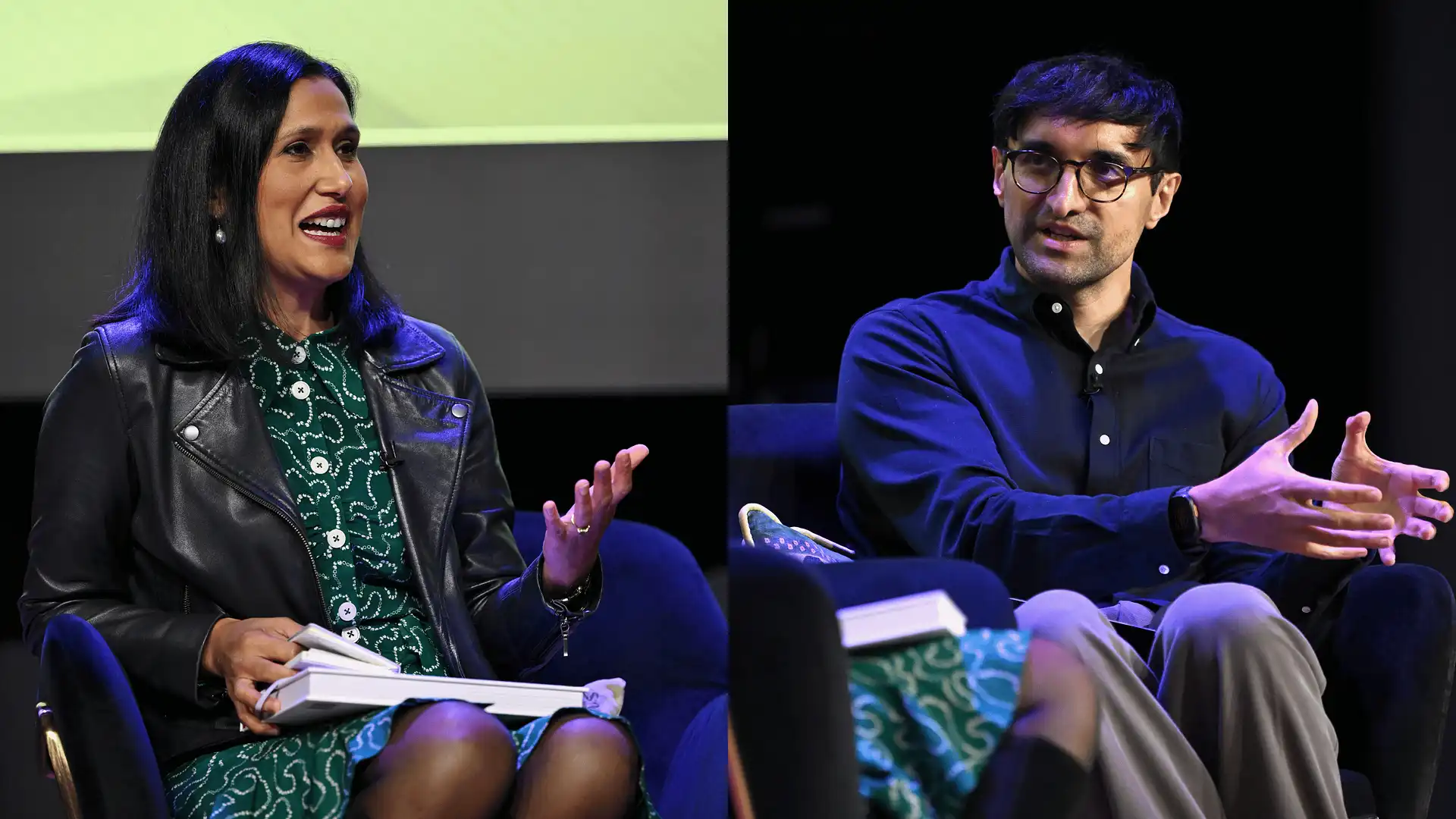
After helping to grow a global creative business, entrepreneur Ajaz Ahmed is starting again. At Future Forum, he made the case for less bureaucracy, more care and a different definition of scale.
Business success is often measured in headcount, turnover and the size of the organisation. But what if getting bigger isn’t always the best way to become more effective?
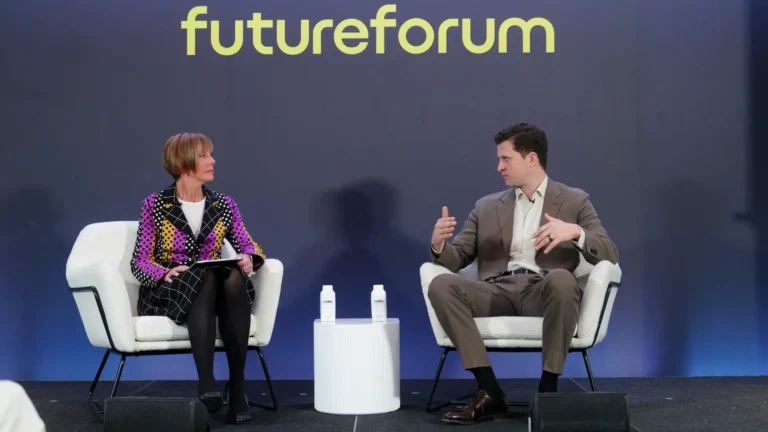
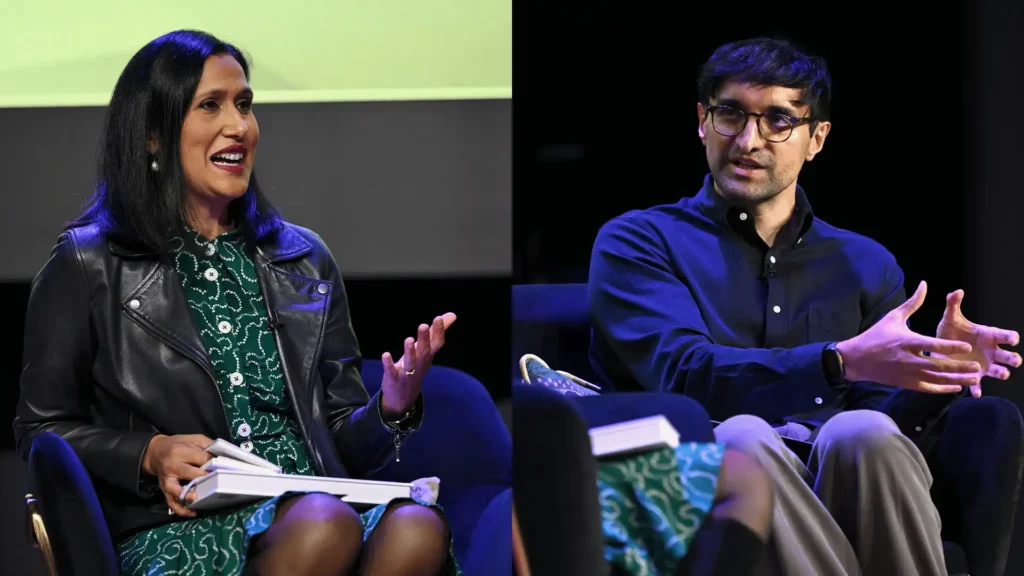
Ajaz Ahmed MBE, Founder of AKQA and Studio.One, joined Dame Hayaatun Sillem at Future Forum to question some familiar assumptions about growth.
What small organisations do differently
Ahmed founded AKQA at 21 and went on to help build it into a global creative business with thousands of employees. That experience gave him a rare view of the same organisation at radically different stages, from start-up to major corporate group.
When he launched Studio.One, he explained, he began by listing what he wanted to leave behind: bureaucracy, distractions and layers of job titles.
His argument was not that large organisations lack talent, but that unnecessary complexity can make it harder for people to act on good ideas.
In his view, smaller teams can offer speed, agility, simplicity and accountability – qualities that also depend on care and attention to detail.
A mindset, not a headcount
Sillem pushed back: don’t entrepreneurs ultimately want their businesses to grow? Is celebrating smallness simply a stage before pursuing size?
Ahmed argued that being small is as much a mindset as a measure of employee numbers. Technology, and increasingly AI, can allow companies to do more without automatically creating larger organisational structures.
That changes the traditional relationship between size and capability. Resourcefulness, clear priorities and a willingness to question established ways of working may matter more than simply accumulating resources.
What should we stop doing?
The discussion was a reminder that reimagining an organisation sometimes begins with subtracting rather than adding.
The most useful question may not be how many more people, processes or layers a business needs. It may be which assumptions no longer serve its purpose – and what would become possible without them.
For leaders thinking about the future, Ahmed’s provocation was simple: growth doesn’t have to mean becoming more complicated.
Related podcasts
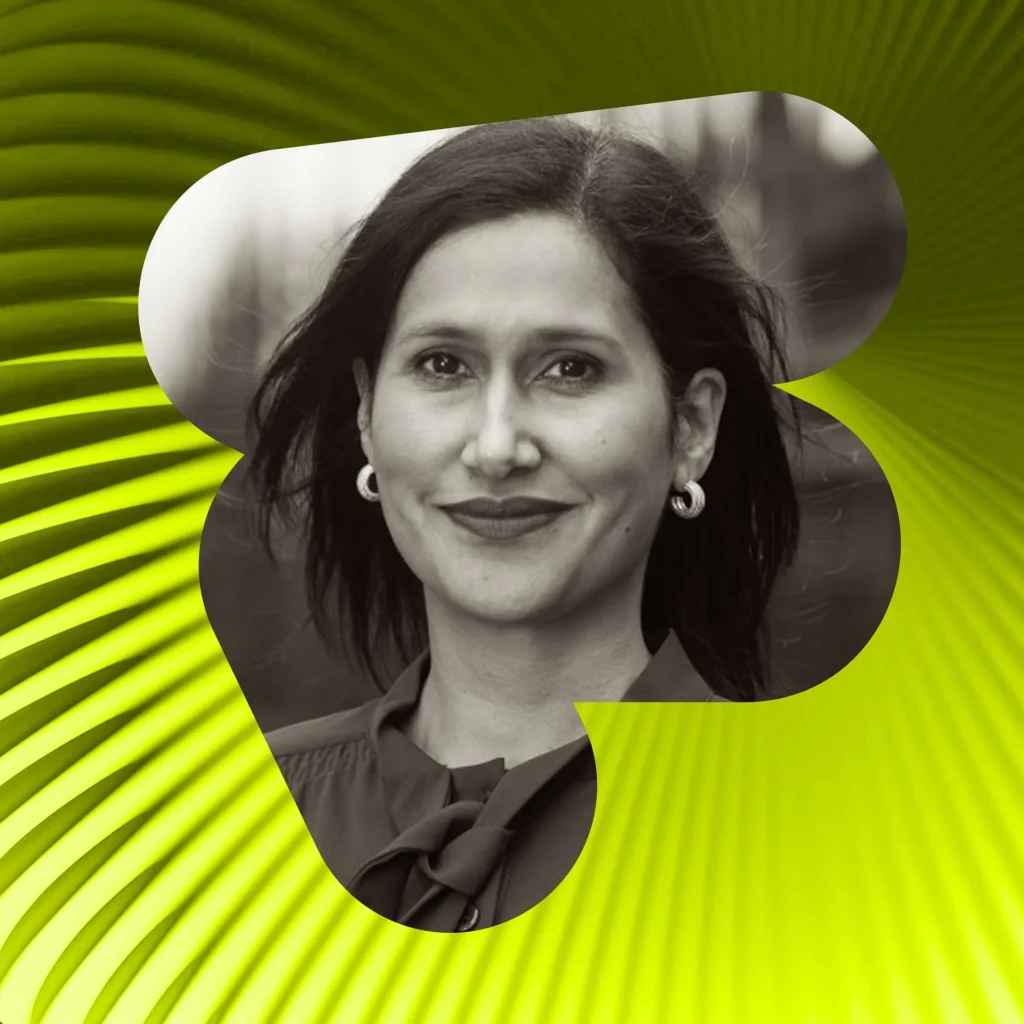
Why the Next Generation of Leaders Will Think Completely Differently | with Hayaatun Sillem
What does leadership look like in a world defined by AI, complex systems, and rapid technological change? In this episode of the Future Forum podcast, host Oli Barrett speaks with engineering leader and former CEO of the Royal Academy of Engineering, Hayaatun Sillem. Together they explore how leadership is evolving…
Related speakers
-
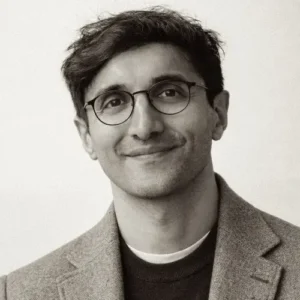
Ajaz Ahmed MBE Co-Founder / Founder of Studio.One / AKQA
A creative founder who left agency scale behind to get closer to the idea again.
Ajaz’s profile -
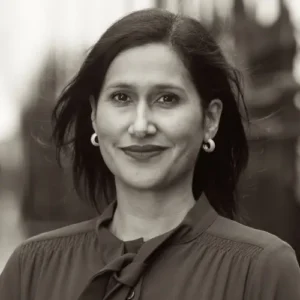
Dame Hayaatun Sillem PhD Founder and CEO of Argentic Associates
A scientist forced from the lab who turned an unexpected detour into a career reshaping British engineering.
Hayaatun’s profile