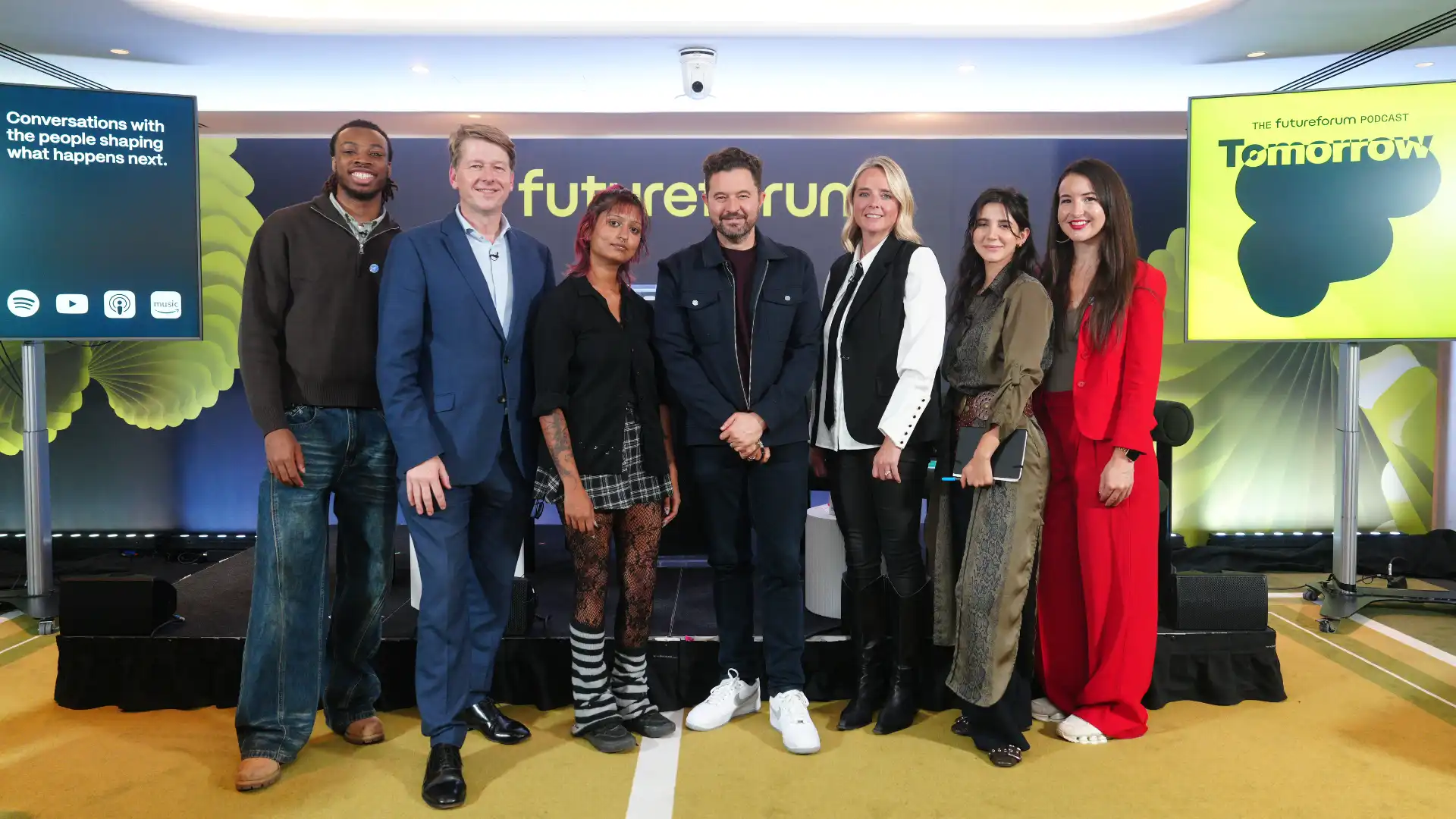
Six speakers took opposing sides in a Future Forum debate about the role of technology in education. The arguments revealed more common ground than the result might suggest.
Technology can help teachers personalise lessons, reduce administration and reach students who might otherwise miss out. It can also distract, encourage shallow attention and displace the human relationships that make learning possible.
Those competing concerns shaped a lively Debate Mate session at Future Forum on the motion: This House Believes the Future Classroom Must Embrace Technology.
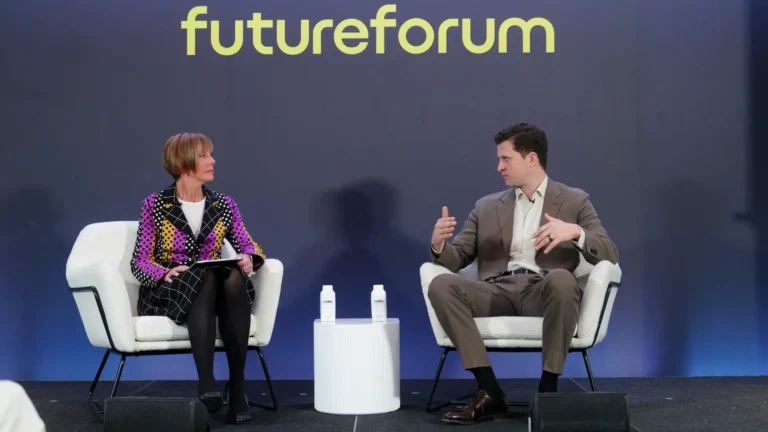
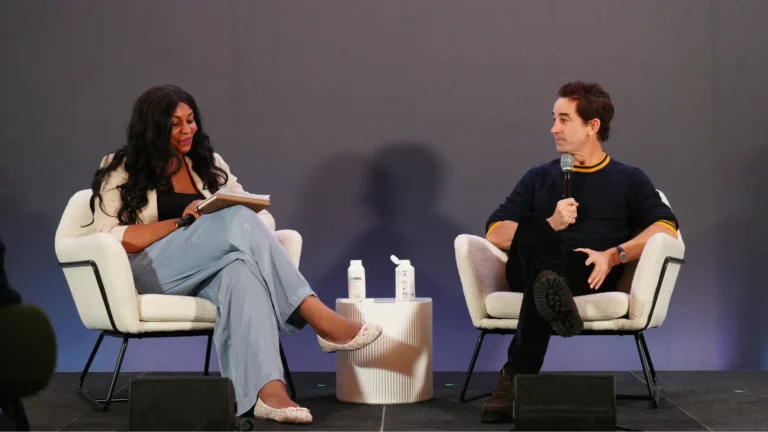
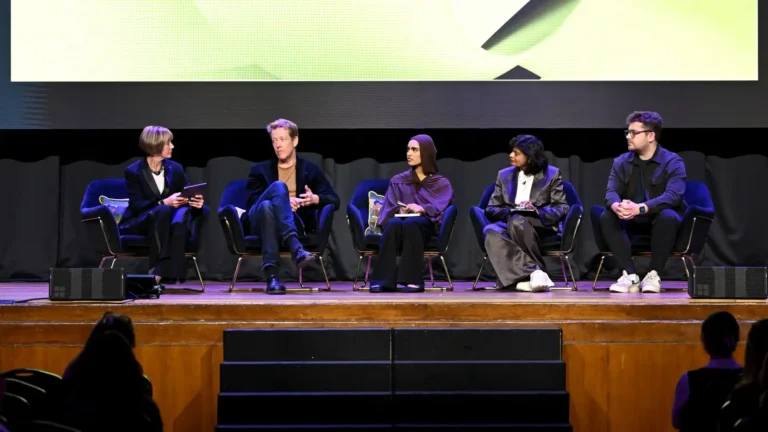
Scarlett McCabe, Founder and CEO of Debate Mate Training, moderated a debate in which participants were assigned positions they did not necessarily personally hold.
FOR: Teach children to use the world they inhabit
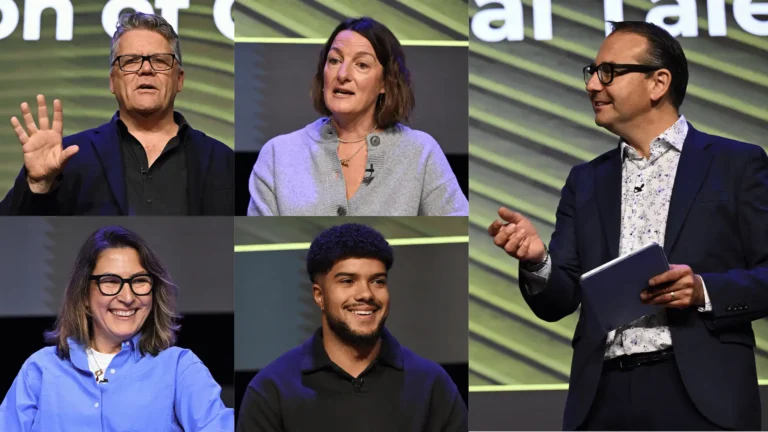
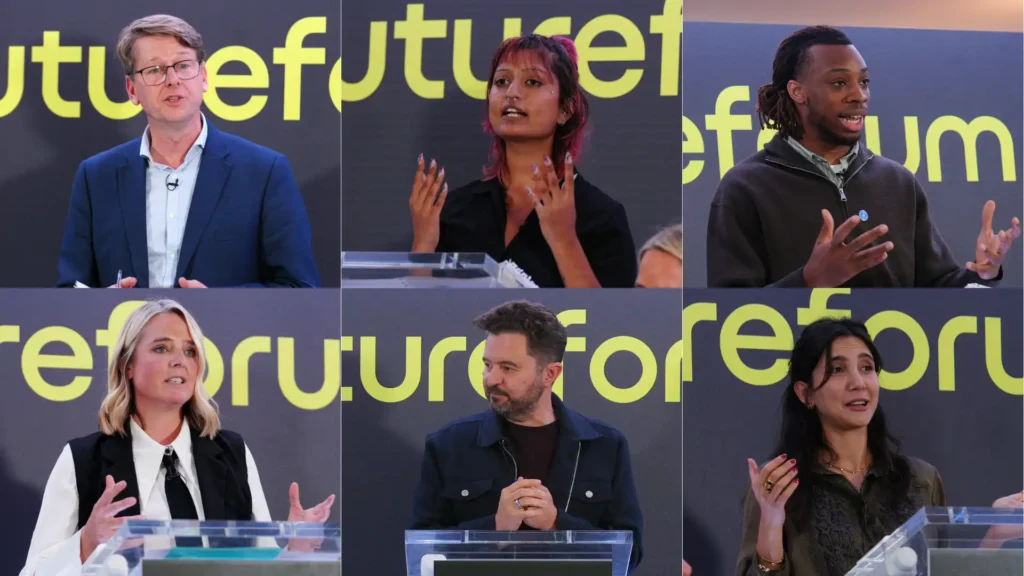
Robin Walker, Director and Head of Education, Cardew Group, argued that good teachers remain irreplaceable, but useful technology can amplify their impact. Schools, he suggested, should help students understand both the power and the limitations of AI rather than treating it as something that can simply be excluded.
Esha Amin, a former Debate Mate student, emphasised access. Young people already encounter digital tools outside the classroom, and a structured school environment can teach them how to question AI’s outputs and use technology responsibly.
Closing for the proposition, Emmanuel Areoye argued that well-designed technology could expand opportunities for students who lack additional resources or professional networks.
AGAINST: Don’t confuse using technology with embracing it
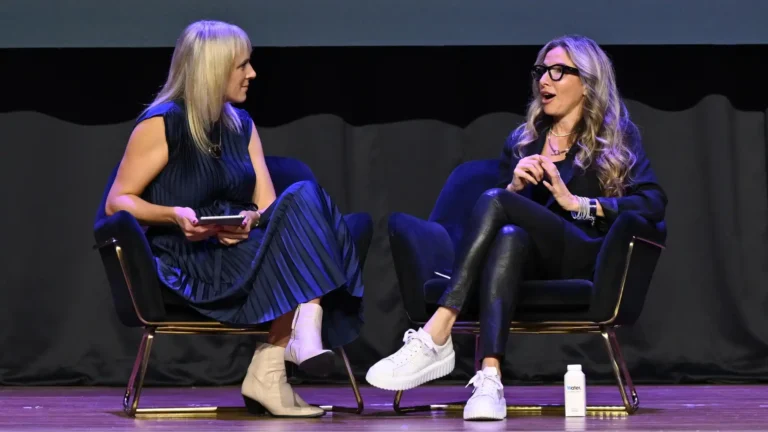
Jess Butcher MBE, CEO of ScrollAware, challenged assumptions about educational technology’s benefits, warning that excessive screen use could undermine attention, independent thought and childhood experiences.
Entrepreneur Daniel Priestley agreed that classrooms should change, but argued that the change should focus on debate, performance, physical skills and independent thinking. A memorable analogy separated the tool from the talent: understanding a microphone does not make someone a great singer.
Elissa Abbara, Senior Associate for Debate Mate Training, closed for the opposition, drawing a distinction between teaching about technology and allowing it to become the default medium for every lesson. She favoured deliberate, limited use rather than screens throughout the school day. What the vote revealed
The audience contributed questions about inequality, access, climate impact and what the word ‘classroom’ should mean. After a closely contested voice vote, the moderator declared the opposition the winner.
In brief reflections afterwards, several speakers acknowledged more nuance than the formal debate allowed. Support for teachers, critical thinking and careful use of digital tools were widely shared priorities.
The central question was not whether young people should ever use technology. It was which experiences education should protect as technology becomes more pervasive – and how schools can help every learner benefit without sacrificing the human skills they will need.
Related podcasts

Inside London’s Innovation Hub | Jodie Eastwood on the Future & Why Curiosity Matters
What happens when AI companies, scientists, universities, cultural institutions and local communities become neighbours? Jodie Eastwood, CEO of London’s Knowledge Quarter, believes some of the world’s biggest problems could be solved by bringing very different worlds together. In this episode of Tomorrow: The Future Forum, Jodie joins Oli Barrett MBE…

Universities Are the UK’s Innovation Engine | Vivienne Stern MBE on AI, Skills & the Future of Work
What will universities become in the age of AI? In this episode of Tomorrow: The Future Forum, Oli Barrett MBE sits down with Vivienne Stern MBE, Chief Executive of Universities UK, to explore how universities, technology and the world of work are changing and what the next decade could look…

The Future Needs Human Connection | Martina McDonnell on Marketing, Creativity & Connection
What happens to marketing when AI can translate, create and optimise at a scale we’ve never seen before? In this episode of Tomorrow, the Future Forum, Oli Barrett MBE speaks with Martina McDonnell, International Marketing Director at Meta, about the future of marketing, AI, global brands, creators, cultural relevance and…
Related speakers
-

Robin Walker Former Member of Parliament
Robin’s profile -

Jess Butcher MBE Founder and CEO of ScrollAware
Jess’s profile