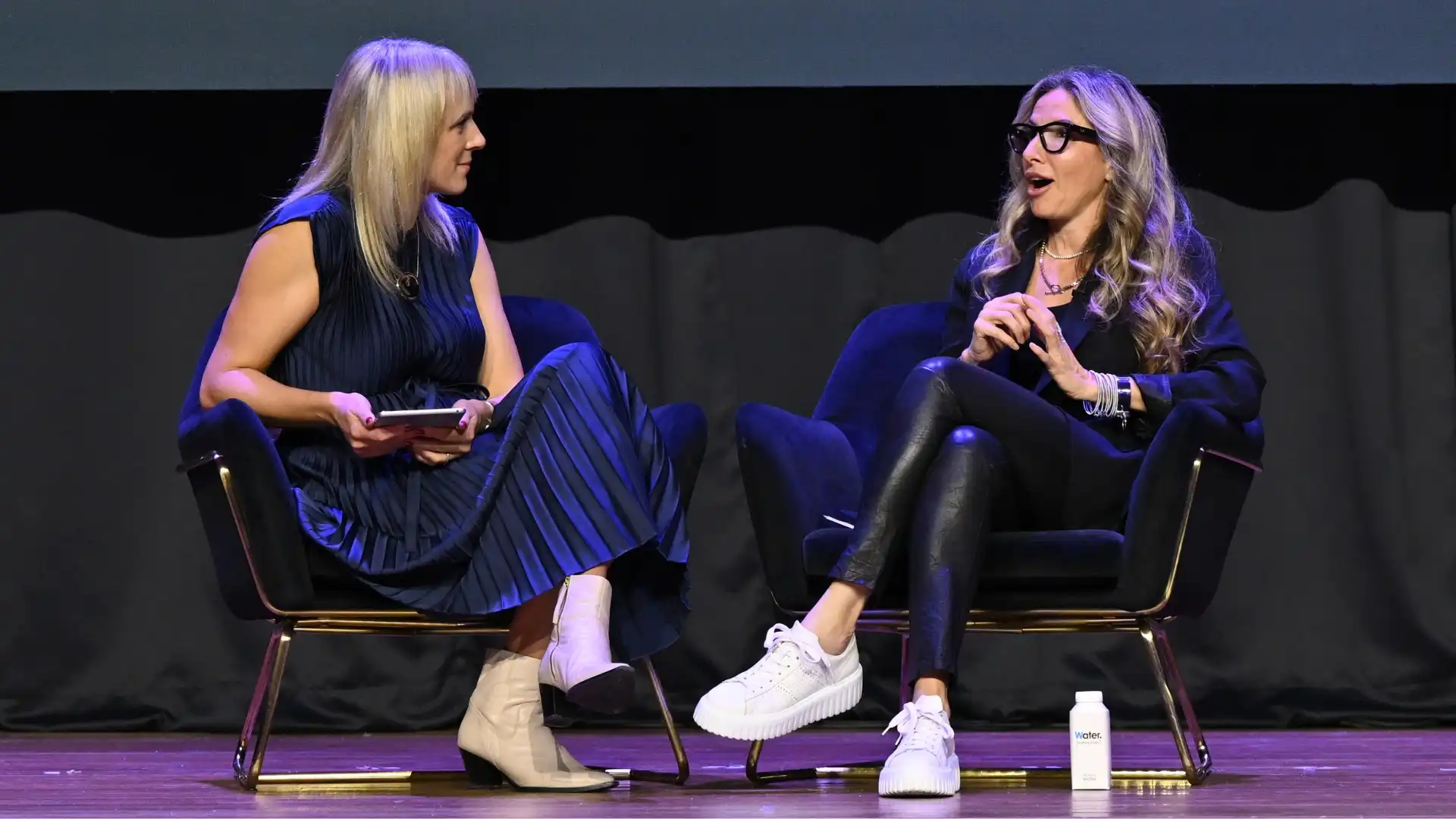
In conversation with Fortune’s Kirsty McGregor, Meta’s Derya Matras explored how AI agents are moving beyond answering questions to completing tasks – and what that could mean for businesses, consumers and the future of commerce.
What happens when AI stops simply telling us how to do something – and starts doing it for us?
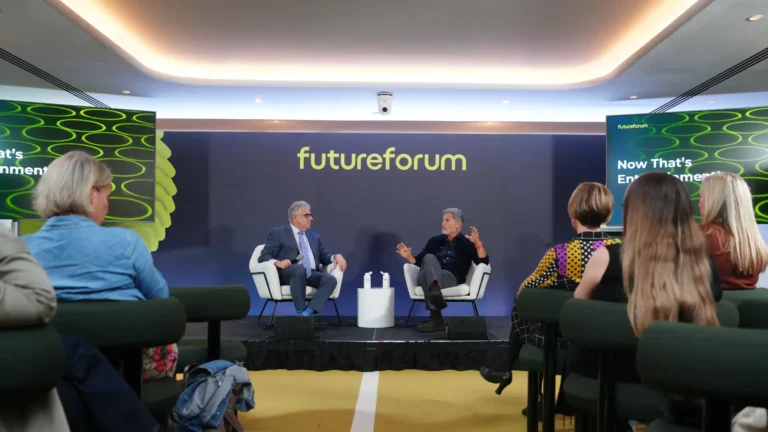
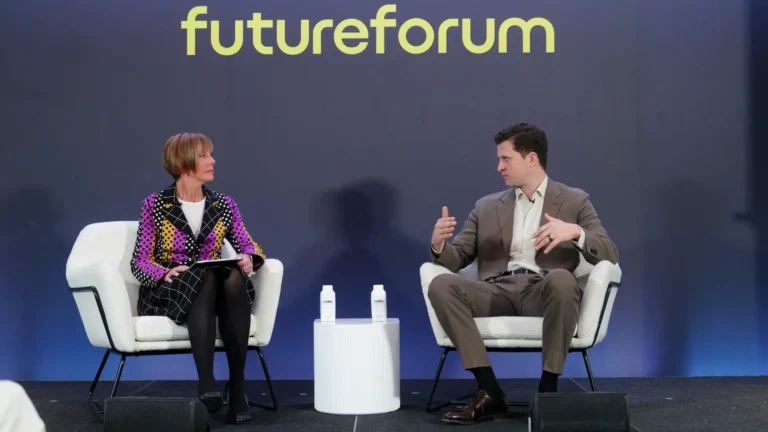
At Future Forum, Derya Matras, Vice President, EMEA at Meta, joined Kirsty McGregor, Editorial Director, Europe at Fortune, to explore the emerging world of agentic commerce, where AI-powered assistants can act on our behalf.
From shopping and organising daily life to helping small businesses reach new customers, the possibilities are expanding rapidly. But so are the questions around trust, control and responsible adoption.
From experimentation to real business value
Matras described how attitudes towards AI have evolved over the past few years.
Initial excitement about generative AI was accompanied by uncertainty, particularly among businesses concerned about security, reliability and practical applications.
That conversation has since shifted.
Rather than asking what they can do with AI, businesses are increasingly asking which problems are worth solving – and how they can measure the return on their investment.
For Matras, one of the biggest challenges is cultural. Organisations must develop the ability to learn, unlearn and adapt as technology evolves.
The winners may not simply be those who adopt AI first, but those able to rethink how they work.
Meet the AI that takes action
Central to the conversation was Meta’s recently launched AI agent, which Matras described as moving beyond the familiar question-and-answer model.
Instead of simply recommending a product, an agent could help research it, navigate a website and complete steps towards a purchase.
Instead of suggesting a recipe, it could identify ingredients and add them to a shopping basket.
And rather than requiring users to switch repeatedly between different applications, these tasks could be brought together through a single interaction.
Matras shared examples from her own life, including using the technology to analyse her daughter’s swimming performance and helping organise a family meal.
The underlying change is significant: the distance between having an idea and getting something done could become considerably shorter.
A new opportunity for small businesses
The implications extend beyond consumer convenience.
For smaller businesses, AI agents could take on time-consuming administrative tasks, from managing invoices to maintaining websites and helping reach customers.
Matras described how an independent business owner might use the technology to spend less time on paperwork and more time doing the work that matters to them.
The opportunity, she suggested, is not simply to make existing processes faster. It’s to reconsider how businesses operate and where human effort creates the most value.
But that also raises an important question: will these tools be equally accessible to businesses of every size?
If AI agents become a new route between consumers and retailers, the businesses that understand how to work with them could gain an advantage.
Trust, transparency and control
McGregor pressed Matras on what happens when consumers give AI systems permission to act on their behalf.
The more connected an agent becomes – accessing accounts, navigating platforms and potentially making purchases – the more important safeguards become.
Matras described approaches intended to maintain user control, including permissions, visibility over an agent’s actions and the ability to intervene.
The discussion also explored the relationship between agents and the brands they interact with.
If an AI assistant increasingly influences what people discover and buy, how will businesses maintain their connection with customers?
It’s a question that reaches beyond technology into the future of marketing, loyalty and commerce itself.Making AI work for everyone
The conversation closed by considering how widely these capabilities could spread, particularly as businesses navigate different regulatory environments.
Matras expressed enthusiasm for bringing agentic experiences to more markets while recognising the balance between innovation, safety and regulation.
Her broader vision was of technology that reduces everyday friction, creates opportunities for smaller businesses and frees people to spend more time on activities they value.
The challenge is ensuring that the benefits aren’t confined to those with the biggest budgets or most sophisticated technology teams.
At Future Forum, the conversation pointed towards a future in which AI doesn’t simply change how we find information.
It changes what we can do with it.
Related podcasts

The Future Needs Human Connection | Martina McDonnell on Marketing, Creativity & Connection
What happens to marketing when AI can translate, create and optimise at a scale we’ve never seen before? In this episode of Tomorrow, the Future Forum, Oli Barrett MBE speaks with Martina McDonnell, International Marketing Director at Meta, about the future of marketing, AI, global brands, creators, cultural relevance and…
Related speakers
-

Derya Matras Vice President, EMEA of Meta
An engineer who carried systems thinking into business leadership.
Derya’s profile