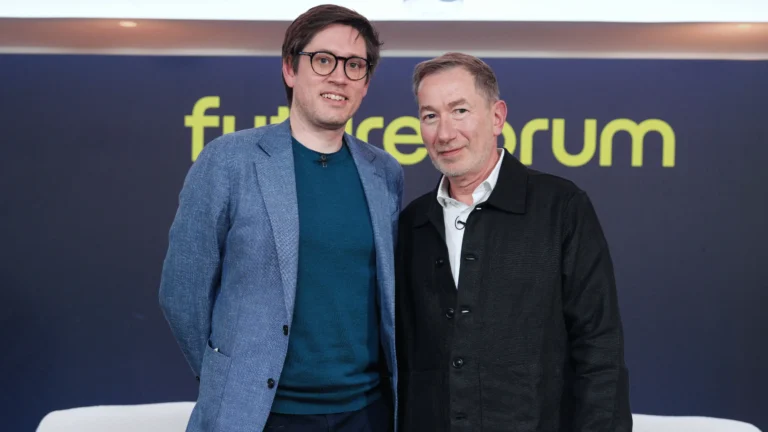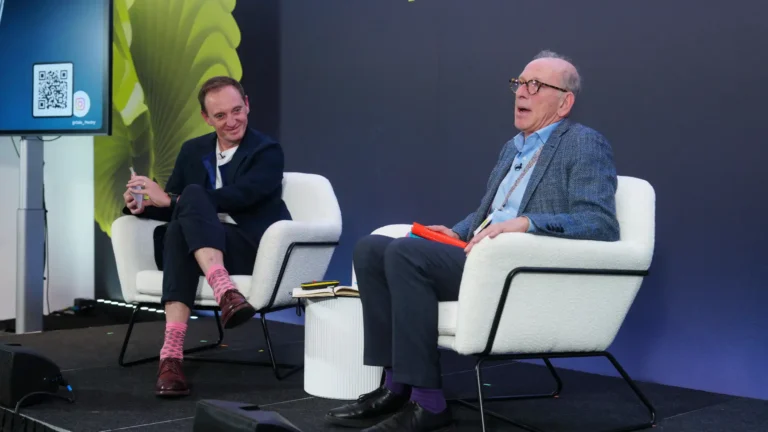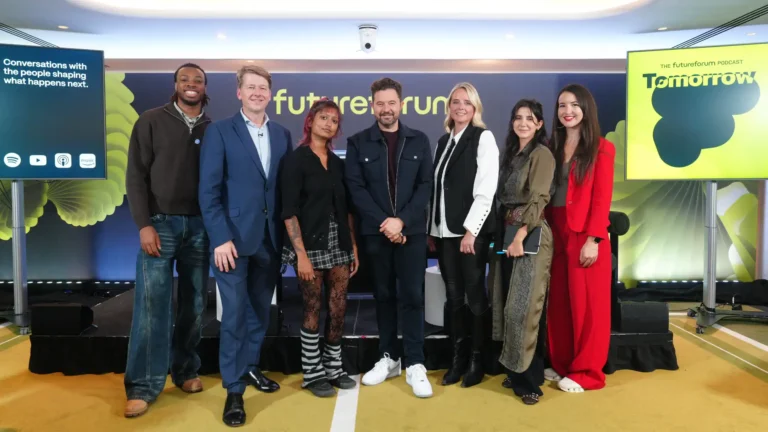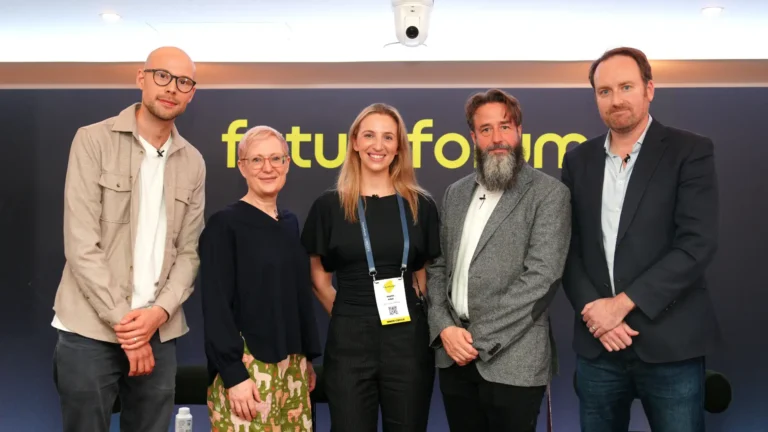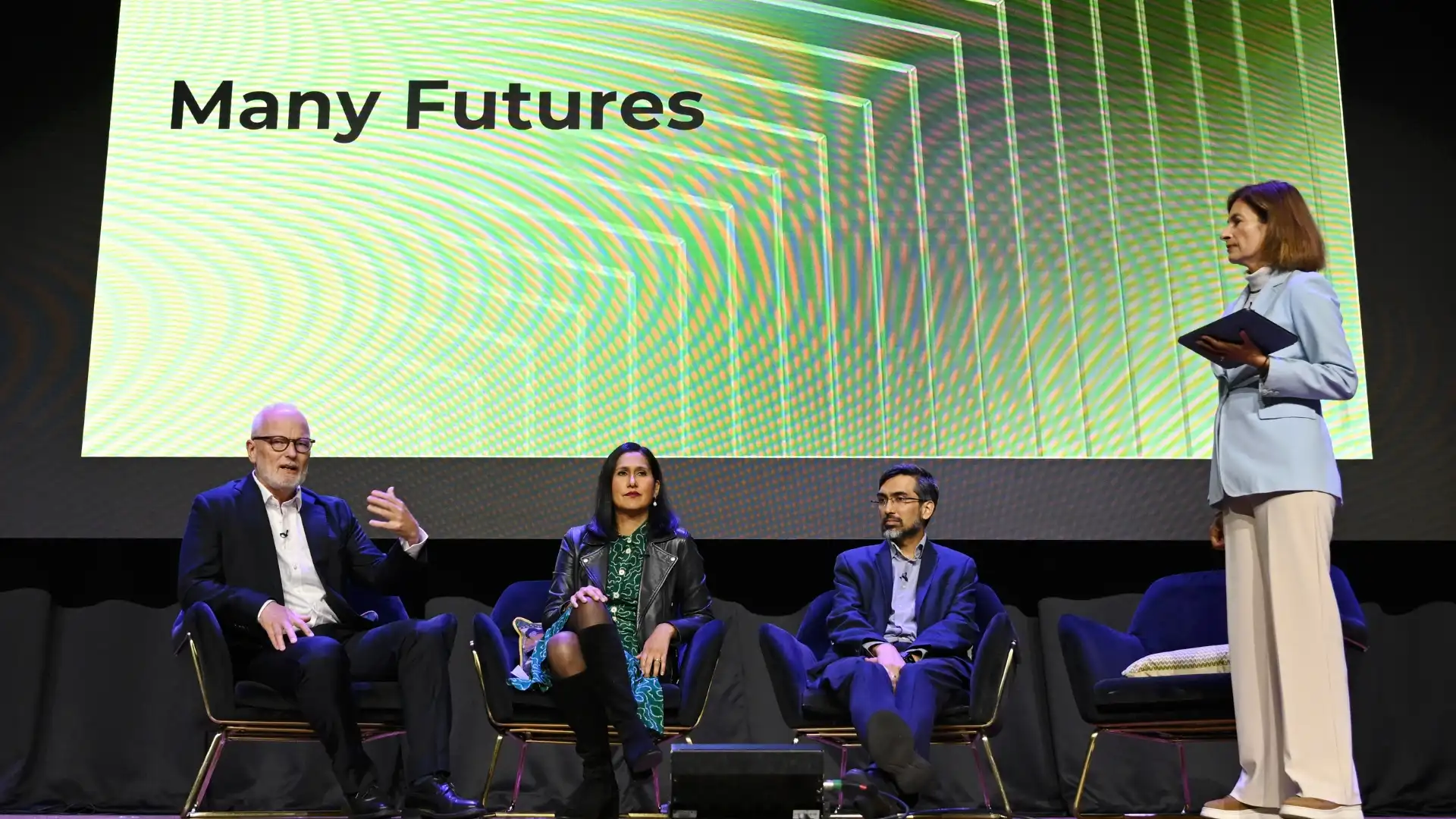
Can AI solve our problems of stretched resources, ageing populations and a creaking NHS? Award-winning journalist and Future Forum host Nisha Pillai put that question to three speakers whose answers converged on a common theme: agency.
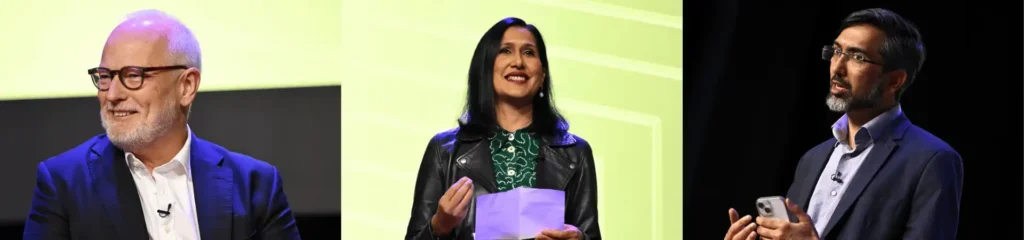
For Dr Raghib Ali, chief executive of Our Future Health, there is “no path to that happier, more prosperous future without good health”. Yet, healthy life expectancy is falling, and inequalities mean up to a 20-year gap between places in the UK with the highest and lowest life expectancy.
The NHS, he argued, is in many ways “a national sickness service”. His glimpse of the future: a shift to prevention, understanding our risk of disease earlier through genomics, wearables and AI backed by Our Future Health, where nearly 3 million people have volunteered their data in a project he called “globally unique”.
Dame Hayaatun Sillem, founder and CEO of Argentic Associates and former head of the Royal Academy of Engineering, asked what she called the “agency gap” might mean for the future. A self-proclaimed “conditional optimist”, she warned that too much of modern life conditions us “to watch, to comment, to consume”, but generosity helps us “move from consumers to participants”. Her final challenge: keep asking “is this better, and for whom?”
Lord Jason Stockwood, former UK Minister of State for Investment, said Britain’s comparative advantages, including universities, technical expertise and entrepreneurial spirit, need long-term stability to bear fruit. On AI fears, he was blunt: the job protection debate is “the wrong conversation. The sole purpose of human existence is not economic output; it’s about the lives that we want to live and enriched experiences that we want to have.”
Their different perspectives suggested the same conclusion: AI and innovation should improve lives rather than be adopted simply because they are possible.
Related podcasts
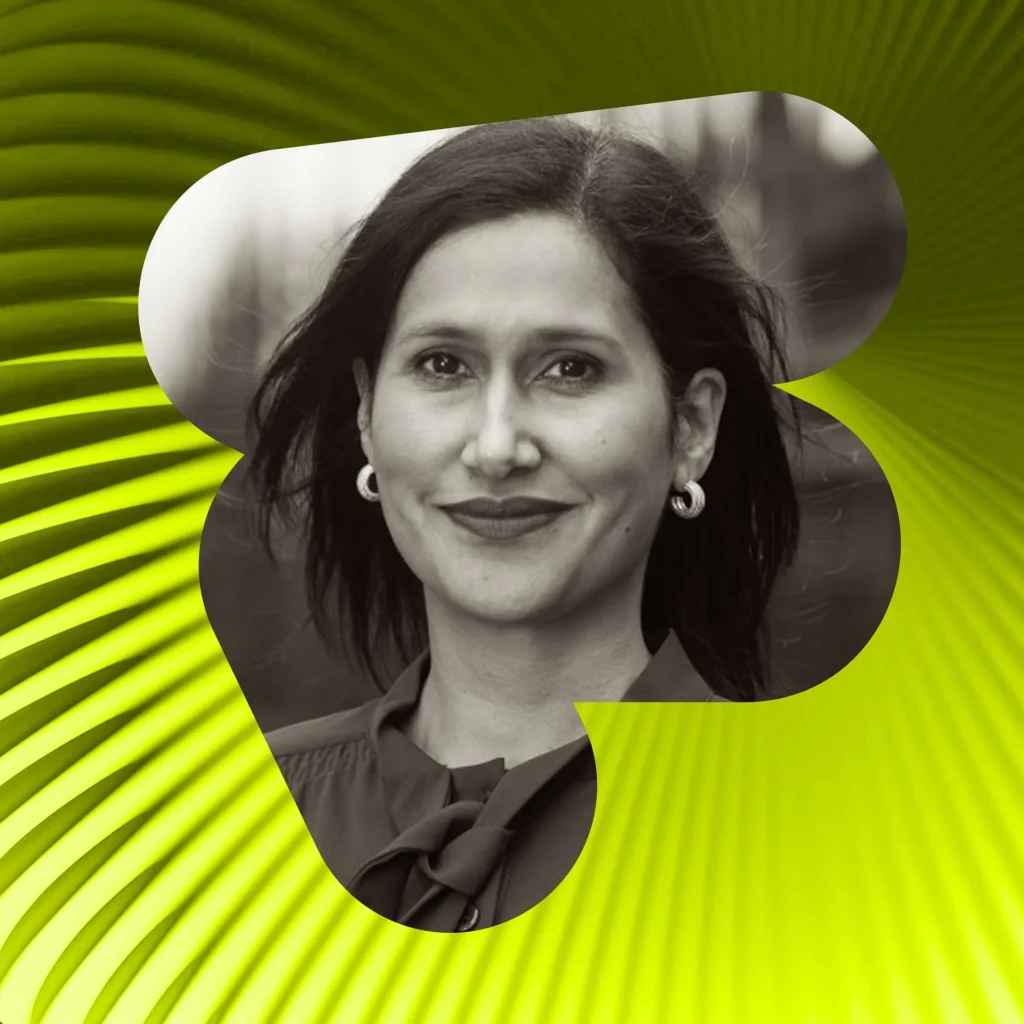
Why the Next Generation of Leaders Will Think Completely Differently | with Hayaatun Sillem
What does leadership look like in a world defined by AI, complex systems, and rapid technological change? In this episode of the Future Forum podcast, host Oli Barrett speaks with engineering leader and former CEO of the Royal Academy of Engineering, Hayaatun Sillem. Together they explore how leadership is evolving…

Investing in Britain’s Future with Lord Jason Stockwood on Leadership, Investment & Innovation
Is Britain ready for the biggest technological revolution in history? In this episode of Tomorrow: The Future Forum Podcast, Oli Barrett MBE is joined by Lord Jason Stockwood, entrepreneur, Chair of the Office for Investment and former UK Investment Minister, to explore how Britain can thrive in the age of…
Related speakers
-
Dame Hayaatun Sillem PhD Founder and CEO of Argentic Associates
A scientist forced from the lab who turned an unexpected detour into a career reshaping British engineering.
Hayaatun’s profile -

Lord Jason Stockwood Former UK Minister of State for Investment of Department for Business and Trade and HM Treasury
A digital entrepreneur who built major businesses – then followed his questions about growth and purpose into government.
Jason’s profile -

Dr Raghib Ali OBE CEO, Chief Investigator and Chief Medical Officer of Our Future Health
An NHS doctor who moved from treating illness to asking how millions might avoid it altogether.
Raghib’s profile