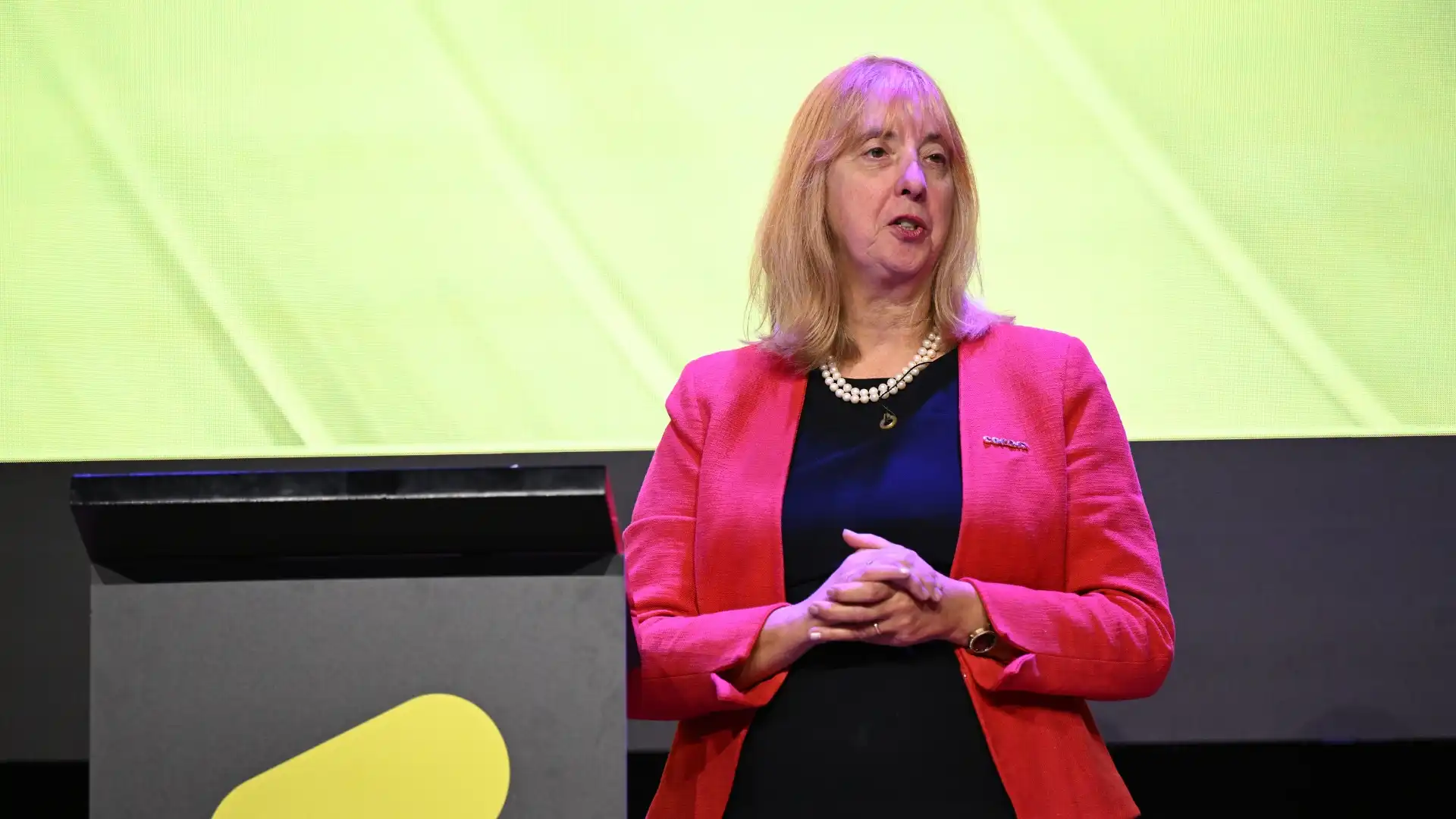
Drawing on nearly 300 years of history, Dame Carol Homden DBE, Chief Executive of Coram, challenged Future Forum to consider what children really need to thrive – and why shaping a better future begins with the choices we make today.
Dame Carol Homden DBE, chief executive of the Thomas Coram Foundation for Children (known as Coram), kickstarted the final day of the Future Forum by challenging the audience to prepare our children for the future by learning from what we know of the past.
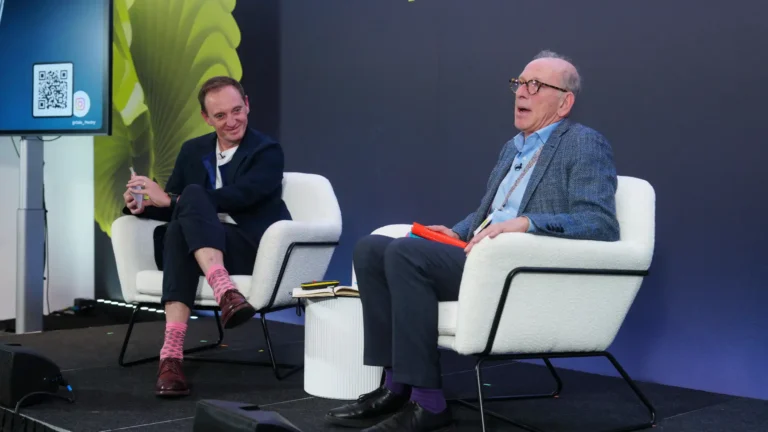
She was introduced by host Oli Barrett who reminded us of Future Forum’s intergenerational spirit, saying that one thought should be coming back to us – that this world will be inherited by the children we have today.
Change is possible if you stand up against the social moods of the day
Homden began with a story about “one man in 1720 who changed the world for children”. Appalled by the bodies of infants and unwanted children on the streets, Thomas Coram spent 17 years campaigning for what he called his “darling project” to create a place of safety and opportunity for the abandoned children on the streets of London. Originally the Foundling Hospital, and today the Thomas Coram Foundation for Children.
“One man stood out against the social moods of the day and created a movement of organisations that now number 25,000 in the UK, with Coram standing at the heart of a mature children’s services infrastructure,” said Homden.
The biggest predictor of the future is the past
In order to change the world, you need to understand where you came from, and you need to be determined to effect change to make it better, argued Homden.
“If we think about that past, we think about our own past as children. What brought you to this room today? Were not the ingredients that enabled us to thrive care, love, education, belief in ourselves and hope for tomorrow?”
She pointed out that 100 years ago there was that most children didn’t attend school and there was no welfare state. But in 1948, the Childrens Act was passed, creating a children’s services infrastructure and an increase in the school leaving age. And in1989 that The United Nations Convention on the Rights of the Child gave children a voice.
“So, what we can see is that change is possible, but it doesn’t occur that fast.”
How do we prepare for a future we have never seen?
Homden quoted US President Theordore Roosevelt, who said: “We cannot prepare the future for our children, but we can prepare our children for the future.”
To achieve this, she said children need a chance to trust, to shine, to be proud of who they are and to gain skills for a future we have never seen.
In a nutshell, what a child needs to thrive is: care, a safe and loving home, not to be exposed to adult drug addiction, violence and abuse – and to be heard in national debates that affect them such as the future of the planet, equity and fairness, racial disproportionality, and discrimination.
Society must believe that the most important thing for our future is our children
If we are going to prepare children for that uncertain future, we must allow them to explore it in safety and take measured risk, said Homden.
“Why are we thinking it is right here and right now that harm may come to our children when they can roam 5,000 miles across the internet. We must enable them to have the critical thinking skills to understand what is and is not true. The final bedrock for the future is giving them the confidence to make important decisions.”
In a final point, Homden said: “We must ensure that our latest technological revolution provides benefits and not losses and that they are available to every child.”
Related podcasts
The Future of Childhood: Why We’re Failing Kids with Paul Lindley OBE
What if the future of society depends on how we treat children today? In this episode of Tomorrow: The Future Forum, Oli Barrett sits down with Paul Lindley OBE, entrepreneur, campaigner, and former CEO of Ella’s Kitchen, the UK’s leading organic baby and toddler food brand. From building one of…
What AI Means for Your Career, Business & Children with Husayn Kassai
What happens when one of Europe’s leading AI founders looks 20 years into the future? In this episode of Tomorrow: The Future Forum Podcast, Oli Barrett sits down with entrepreneur Husayn Kassai to explore the future of AI, startups, work, education and human potential. Husayn shares the story behind building…
Related speakers
-
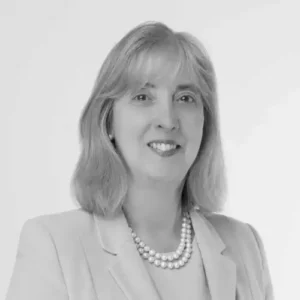
Dame Carol Homden DBE Chief Executive of Thomas Coram Foundation for Children
Carol’s profile