As artificial intelligence becomes part of everyday infrastructure, ownership of the technology beneath it matters. Bjorn Hovland of CIQ explored what digital sovereignty really requires – and the trade-offs involved.
When people talk about sovereign AI, attention often turns to data centres, energy and advanced chips. Bjorn Hovland, President of CIQ, argued that a less visible element may be just as important: the software connecting everything together.
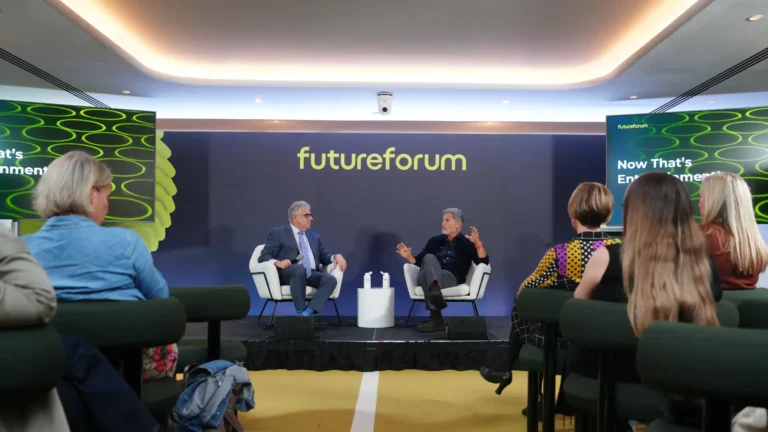
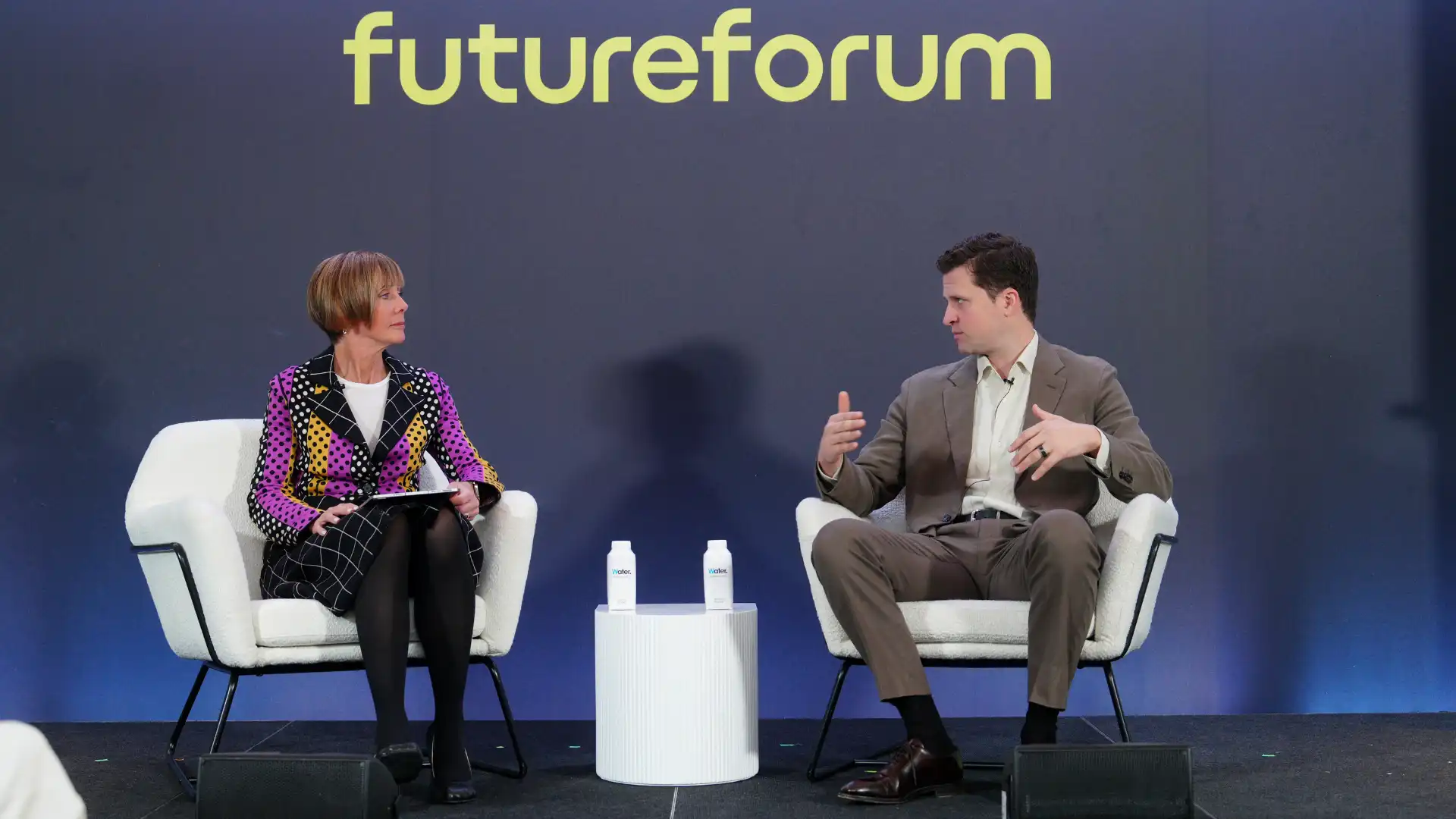
In conversation with Edie Lush at Future Forum, he described the risk of depending on technology that another company or government can withdraw without warning.
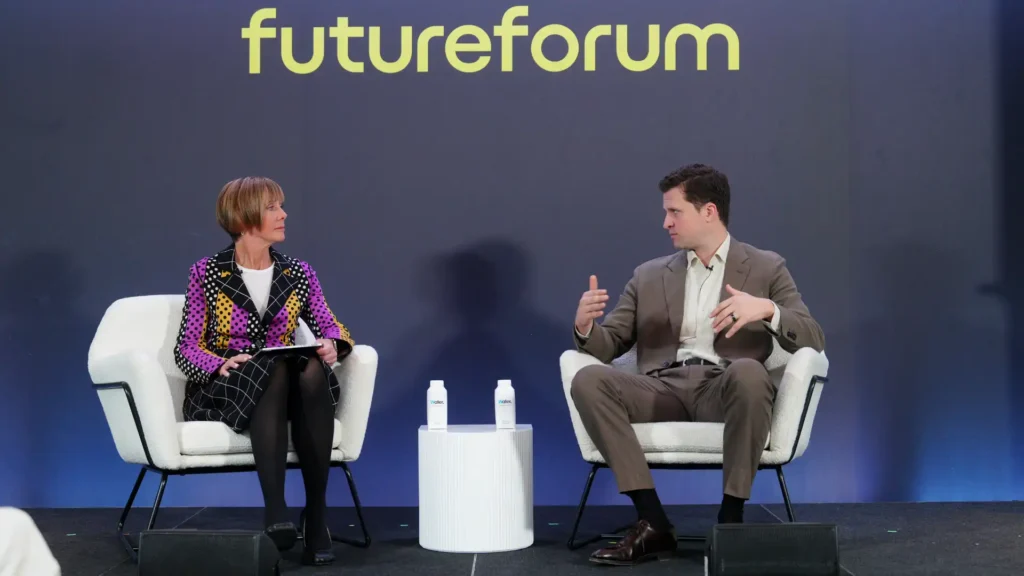
Sovereignty starts below the surface
CIQ works on open software infrastructure, including technology associated with Rocky Linux. Hovland described its ambition as giving organisations and governments the ability to run and control their own systems rather than relying on a provider’s continued permission.
For him, the essential question was whether a user could still operate a system if its original supplier stopped supporting it. Greater control of the software stack, models and deployment environment could make critical services more resilient.
The infrastructure dilemma
But software independence does not remove the physical costs. AI still needs electricity, cooling, chips and places to house them.
Hovland made an optimistic case for the economic benefits of data centres, particularly through local tax revenue. He also challenged some criticisms of their water use. These were his assessments, not settled conclusions: the costs and benefits of individual sites depend on cooling design, local water availability, energy demand and the terms offered to communities.
That tension was central to the conversation. Who gains from the infrastructure being built, and who carries the consequences?
Open systems, new responsibilities
Audience questions turned to privacy, governance and employment. Hovland argued that organisations handling sensitive information may benefit from controlling where their data and models operate. He was sceptical of attempts to predict every possible AI failure through regulation alone, favouring accountability for actual harms.
On jobs, he reported that CIQ was still hiring junior talent and using AI to extend people’s capabilities. That experience offers one perspective, not a guarantee about the wider labour market.
The most practical challenge, he suggested, is education: helping businesses deploy increasingly powerful tools safely and competently.
The conversation reframed digital sovereignty as more than independence. It is about knowing where your dependencies lie – and retaining enough control to make meaningful choices about the future.
Related podcasts

The Future of Creativity: Why AI Won’t Replace Human Imagination with Julian Douglas
What happens when one of the world’s leading creative agency CEOs looks at the future of AI, creativity and human potential? In this episode of Future Forum, Oli Barrett MBE sits down with Julian Douglas (Dougie), Group CEO of VCCP, Chair of UK Advertising and one of the most influential…
Why AI Will Force Leaders to Rethink Everything with Dex Hunter-Torricke
What kind of future are we building—and who gets to decide? In this episode of Tomorrow: The Future Forum, host Oli Barrett sits down with Dex Hunter-Torricke, founder of the Centre for Tomorrow and former communications leader at Google DeepMind and SpaceX. They explore why we are at a critical…

What AI Means for Your Career, Business & Children with Husayn Kassai
What happens when one of Europe’s leading AI founders looks 20 years into the future? In this episode of Tomorrow: The Future Forum Podcast, Oli Barrett sits down with entrepreneur Husayn Kassai to explore the future of AI, startups, work, education and human potential. Husayn shares the story behind building…
Related speakers
-

Edie Lush Co-Host of We're All Going to Die!
A journalist drawn to the point where progress becomes risk.
Edie’s profile -

Bjorn Hovland President of CIQ
A technologist who has built across products, capital and infrastructure.
Bjorn’s profile