The BRIT School, British Airways, Dr. Martens and an emerging creative talent explored why bravery, real-world experience and partnerships matter as much as qualifications.
What does it take to help a young person discover what they’re capable of?
For Stuart Worden OBE, Principal of The BRIT School, one answer is removing fear. At Future Forum, he argued that education should give young people the freedom to experiment, make mistakes and pursue their creative interests – not simply train them to follow instructions.
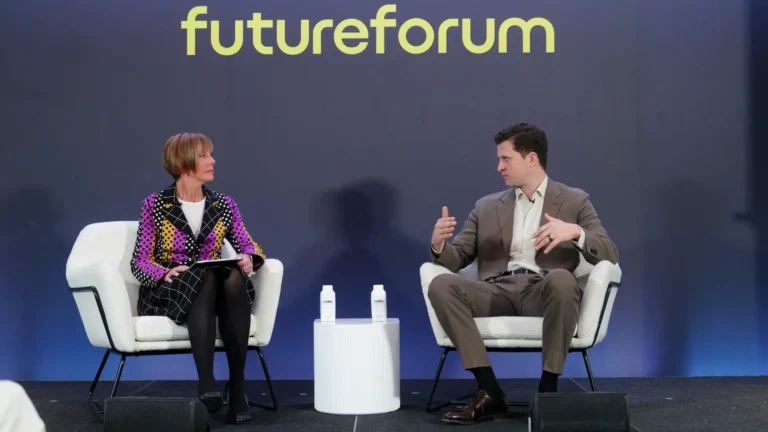
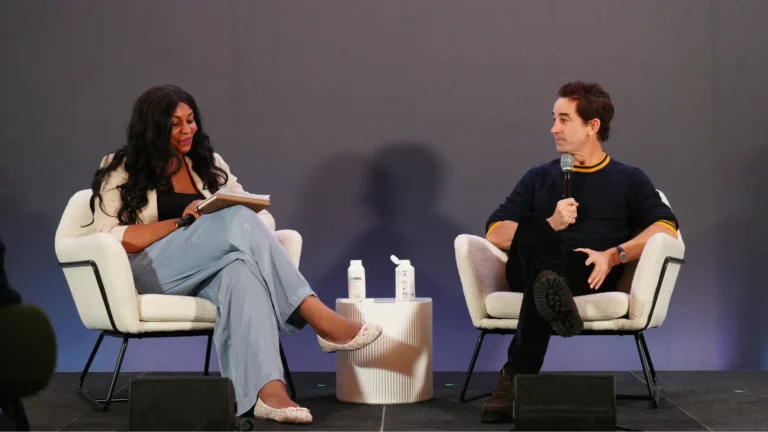
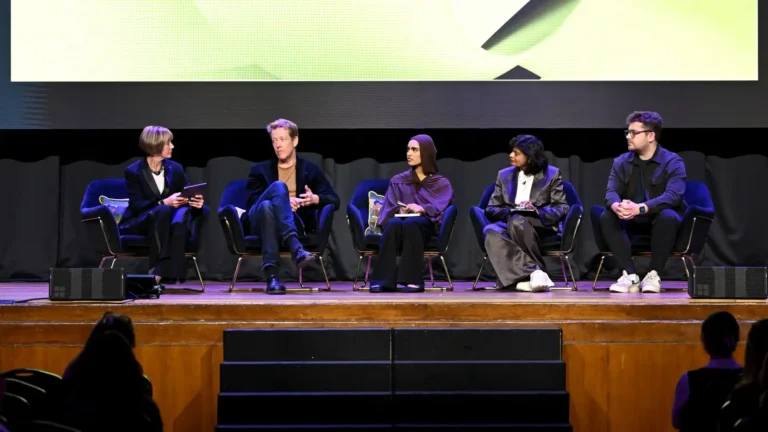
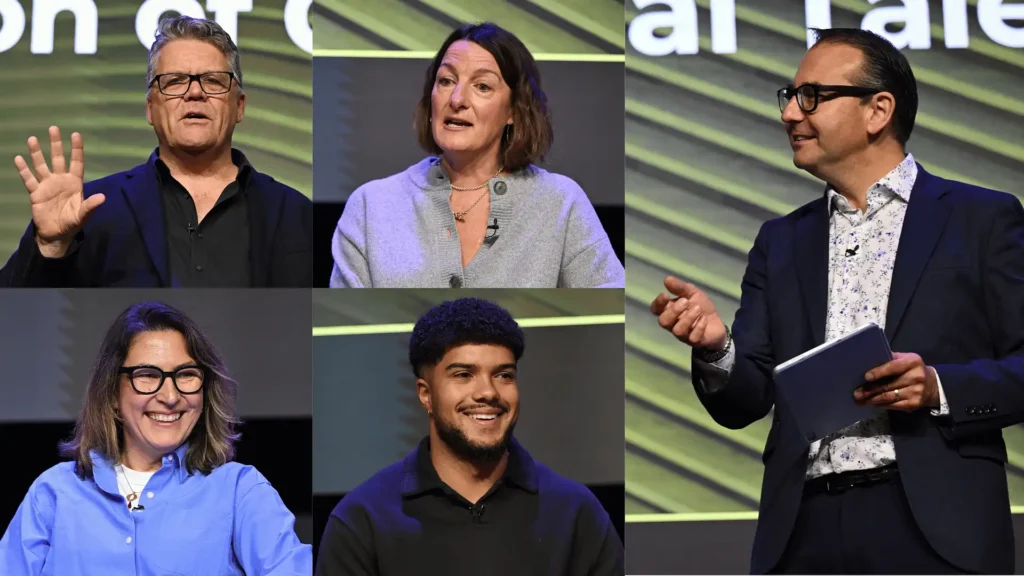
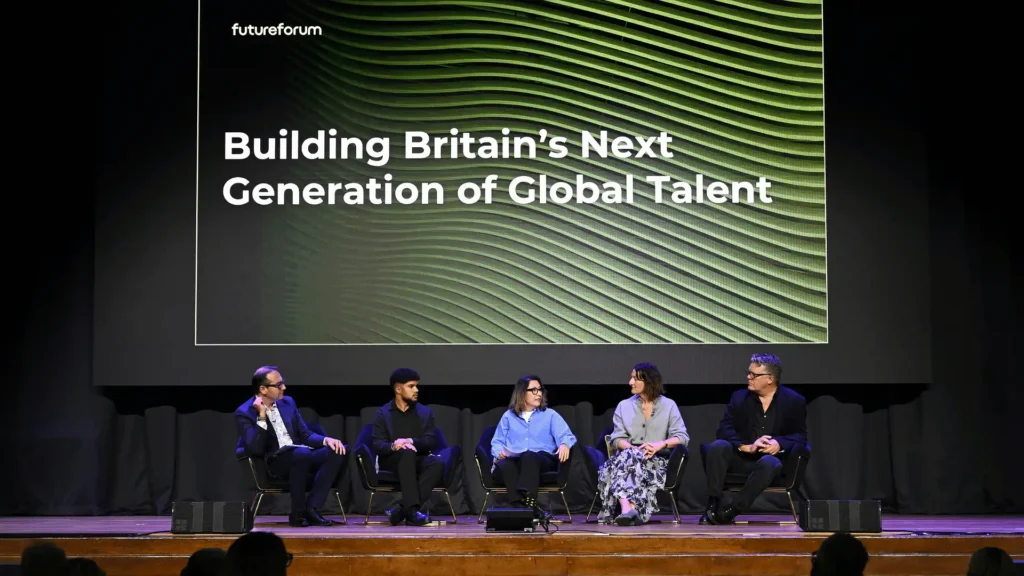
That philosophy shaped a discussion ed by Oli Barrett MBE with Lisa Tremble of British Airways, Tuze Mekik of Dr. Martens and Nate Edwards, a former BRIT School student and recipient of Burberry’s Stepping Stones Bursary Prize.
From safe spaces to brave spaces
The BRIT School is a free performing and creative arts school in Croydon. Its approach brings different disciplines together, from photography and fashion to lighting, production and music.
Worden described the importance of creating an environment where young people can take risks. Mistakes are part of the process, not proof that someone lacks ability.
Edwards, now developing a career in photography and production, said the opportunity to explore multiple creative pathways helped him discover his interests. Burberry’s bursary and industry experience gave him both practical resources and greater confidence.
Partnerships that create real opportunities
The discussion moved beyond abstract appeals for businesses to support education. Tremble described British Airways’ relationship with the school, including support for its theatre, allowing students to work in a professional performance environment.
Mekik explained how Dr. Martens brings design briefs to fashion and textiles students, invites them into its workplace and supports school initiatives through its foundation. These experiences give students contact with the demands of real creative work.
But there are benefits on both sides. The businesses gain exposure to new perspectives, while students see how their talents might translate into careers they had not considered.
For Tremble, trust matters: strong partnerships work when companies support a shared ambition rather than prescribing exactly how a school must operate.
Talent doesn’t always fit on a CV
Edwards highlighted how a video-based job application had helped him show more of his personality and abilities than a traditional CV could convey. Tremble acknowledged how difficult competition for opportunities can be, describing British Airways’ work to review selection processes and make them fairer.
The conversation left a clear challenge for employers as well as educators: talent needs space to develop, visibility and meaningful access to opportunity.
If we want tomorrow’s workforce to be inventive and adaptable, perhaps we need to reward more of the things that make young people curious and brave today.
Related podcasts
What Should Young People Change About Education? | The BRIT School Students Shaping Their Future
What happens when young creatives are given the freedom to explore, collaborate and find their own voice? In this special edition of TOMORROW: The Future Forum podcast, Oli Barrett MBE speaks with BRIT School students Jaden and Annie about creativity, education, ambition and the future they want to help…

The Future Needs Original Thinkers | Stuart Worden OBE on Curiosity, Creativity & Ambition
What can the BRIT School teach us about the future of education, creativity, leadership and work? In this episode of Future Forum, Oli Barrett MBE is joined by Stuart Worden OBE, Principal of the BRIT School, to explore what it takes to develop original thinkers in a rapidly changing world.…
Related speakers
-

Stuart Worden OBE Principal of The BRIT School
A theatre-maker who moved into education – then spent three decades defending free creative opportunity.
Stuart’s profile -

Tuze Mekik Director of Sustainability of Dr. Martens
Tuze’s profile -

Lisa Tremble Chief Customer and People Officer of British Airways
A former political adviser who believes how an organisation treats people shows up in how customers feel.
Lisa’s profile -

Nate Edwards Winner of Burberry Stepping Stones Bursary Prize
A young creative who moves between photography, fashion and brand without treating them as separate disciplines.
Nate’s profile