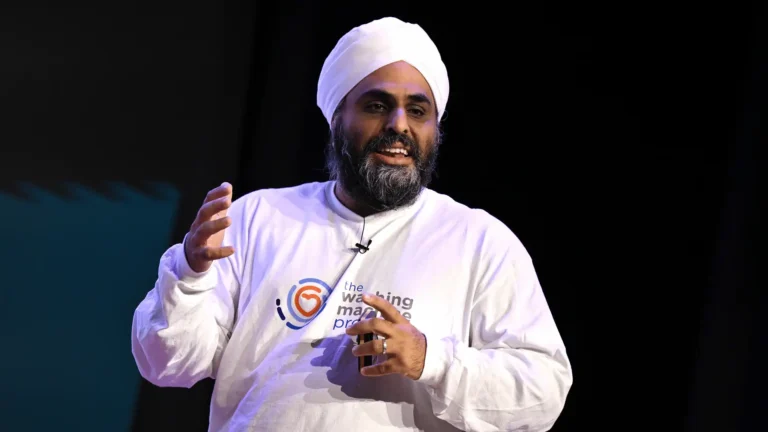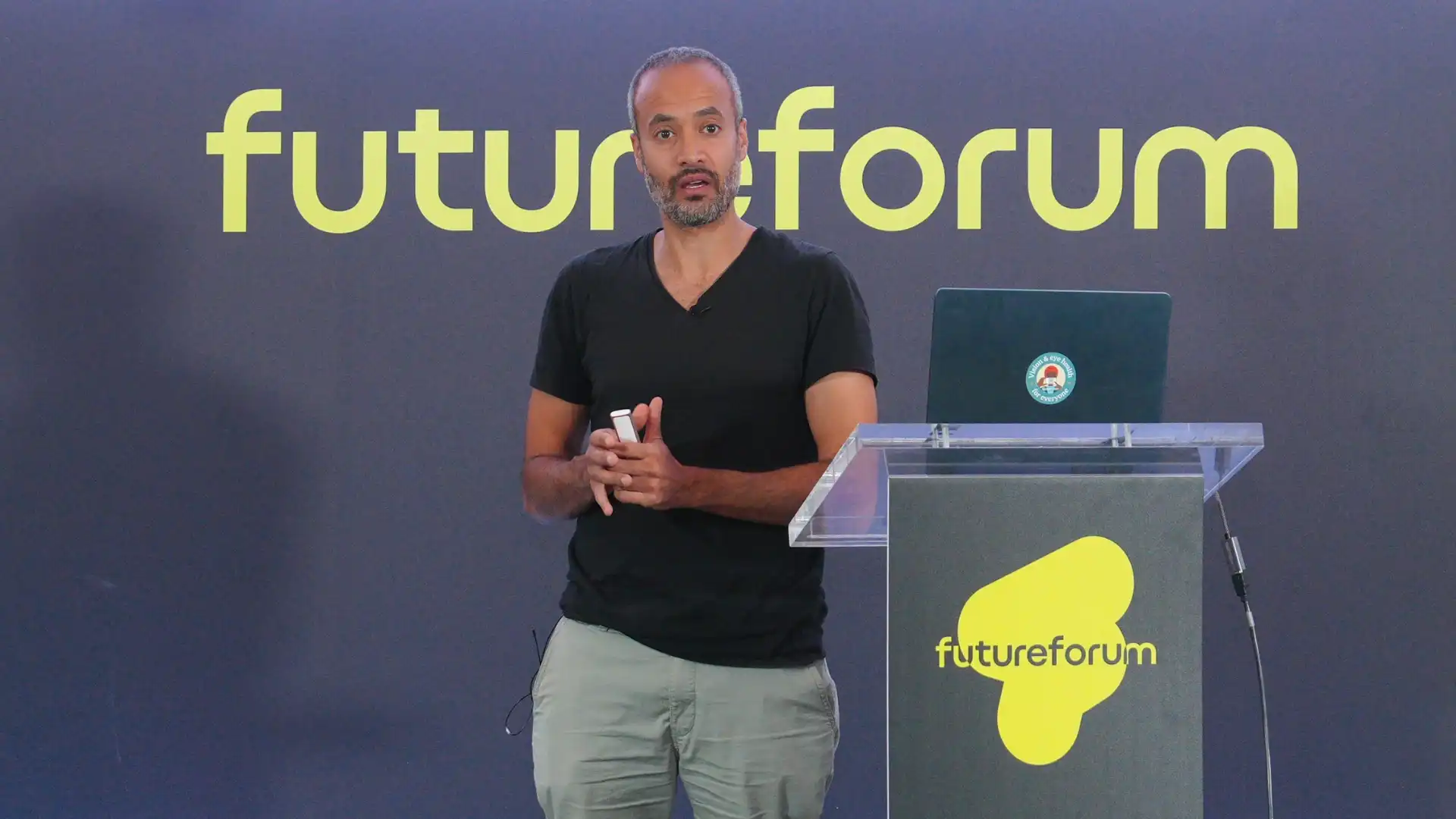
In a world obsessed with efficiency, what happens when we make more time for compassion? Professor Andrew Bastawrous OBE, founder of Peek Vision, shared how listening, empathy and a willingness to question the metrics can transform lives – and why doing less can sometimes achieve more.
We’re surrounded by systems designed to make us faster. More patients seen. More tasks completed. More data collected. But what if our relentless pursuit of efficiency is preventing us from achieving the outcomes that actually matter?
At Future Forum, Professor Andrew Bastawrous OBE challenged the assumption that faster always means better.
An eye surgeon turned social entrepreneur, Bastawrous has spent much of his career working to bring sight-saving treatment to people who would otherwise remain invisible to healthcare systems.
His organisation, Peek Vision, has helped screen millions of people across multiple countries, using technology to identify vision problems and connect patients with care.
But its success has revealed something unexpected: sometimes the most effective intervention isn’t technological at all.
Seeing the people behind the numbers
Bastawrous shared the story of Jackie, a patient he encountered while working as an NHS eye surgeon.
She had advanced cataracts, but when he asked why she had waited so long to seek treatment, she explained that her daughter had been ill with cancer for four years and had recently died.
Despite a busy clinic and patients waiting, Bastawrous decided to stop and listen.
He subsequently performed her surgery successfully. When Jackie returned, she brought photographs of her daughter and thanked him, not for restoring her sight, but for taking the time to hear her story.
The experience changed his understanding of care.
He realised that while he’d spent his career helping people see, what had mattered most to Jackie was being seen herself.
The hidden cost of moving too fast
The experience prompted Bastawrous to question how healthcare systems measure success.
Peek Vision had developed sophisticated ways to track screenings, referrals and treatment rates. But could the pressure to process more patients actually be undermining the quality of care?
He pointed to the Good Samaritan study conducted at Princeton University in 1973, which explored whether people would stop to help someone in distress.
The strongest influence wasn’t their personal values or beliefs. It was how much time they thought they had.
Only 10% of participants in a hurry stopped to help, compared with 63% of those who believed they had plenty of time.
For Bastawrous, the implication is significant. We shouldn’t simply ask people to be more compassionate. We should create systems that give them the time to be compassionate.
Can compassion improve efficiency?
Working with Shroff’s Charity Eye Hospital in India, Peek Vision tested a different approach.
Healthcare workers received peer-led training around compassionate care, were encouraged to spend additional time listening to patients who needed referrals, and were asked to share patient stories rather than simply report numbers.
Bastawrous explained that the study was still undergoing peer review, so he couldn’t disclose the full results.
But he shared the central finding: although fewer people were screened, more ultimately received treatment.
Slowing down appeared to improve the outcome that mattered most.
It’s an important distinction. Screening someone isn’t the same as helping them. Recording a referral isn’t the same as ensuring they receive care.
What are we really trying to achieve?
Bastawrous ended with the story of Fatuma, a woman in Kenya who had been blind since early childhood.
Following cataract surgery, Fatuma saw her daughter’s face for the first time. She was later reunited with the rest of her family, whose faces she had never seen.
It’s a powerful reminder that the value of an intervention cannot always be captured by its speed or efficiency.
And the lesson extends well beyond healthcare.
As AI and automation make it possible to do more, faster, the challenge may be deciding where speed helps – and where it gets in the way.
Perhaps the most important question isn’t how much more we can accomplish, but whether we’re measuring the things that truly matter.
Related podcasts

How to Stay Healthier for Longer with Dr Sophia Pathai On The Future of Ageing & Prevention
What if the biggest challenge facing healthcare isn’t helping us live longer—but helping us stay healthier for longer? In this episode of Tomorrow: Future Forum, Oli Barrett MBE is joined by Dr Sophia Pathai, Founder & CEO of AZM, physician, scientist and author of The Longevity Code. Together they explore…
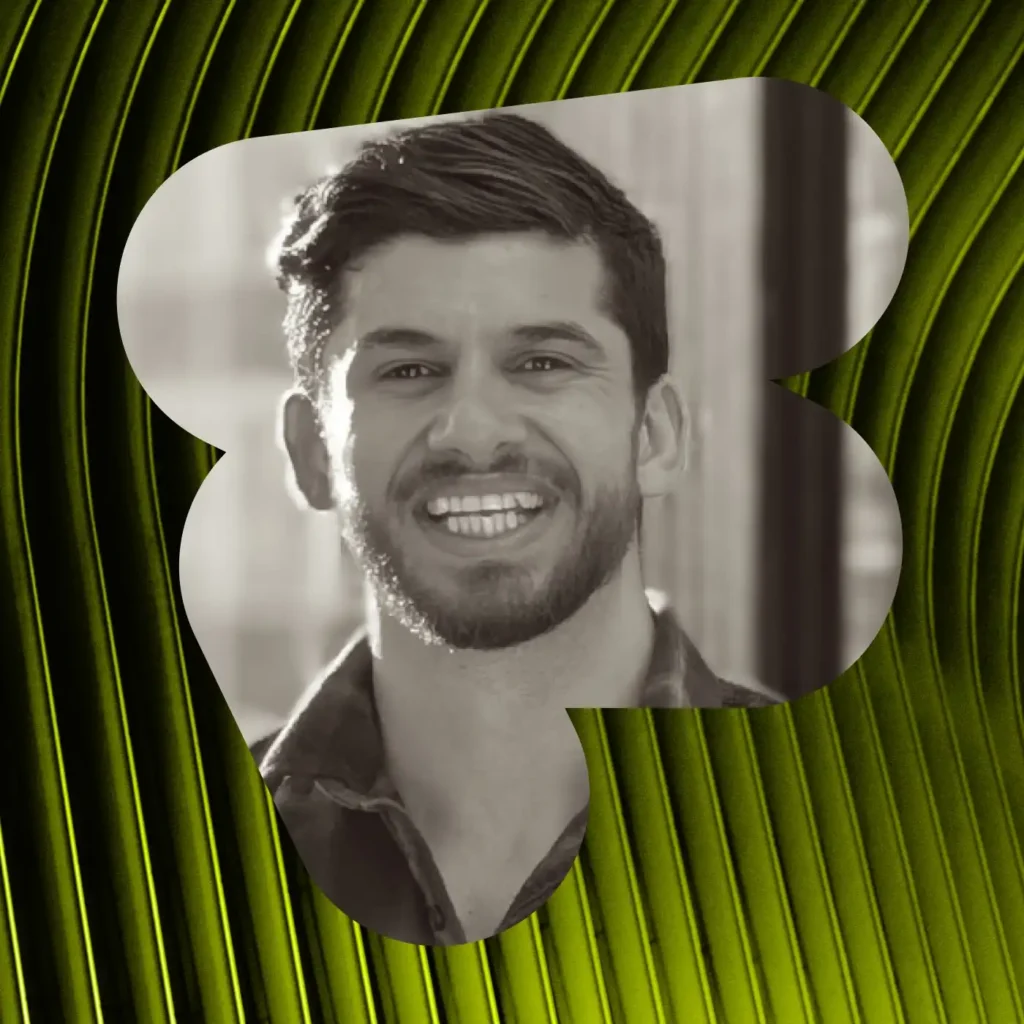
Can Manchester Become Europe’s Innovation Capital with Dr Karim Bahou
In this episode, Oli Barrett MBE sits down with Dr Karim Bahou, Head of Innovation at Sister, Manchester’s £1.7 billion innovation district, to explore the future of technology, entrepreneurship and economic growth. From artificial intelligence and synthetic biology to startup ecosystems and the power of place, Karim shares why the…

Why Britain Is Wasting Its Greatest Source of Talent with Maggie Philbin OBE
Maggie Philbin OBE, CEO TeenTech and Technology Broadcaster joins Oli Barrett for a fascinating conversation about technology, education, opportunity and the future of work. Drawing on decades spent exploring innovation and her work as founder of TeenTech, Maggie explains why Britain’s biggest untapped resource is the talent sitting in classrooms…
Related speakers
-
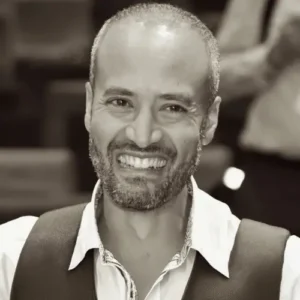
Prof. Andrew Bastawrous OBE Founder and CEO / Co-Founder / Professor of Peek Vision / Vision Catalyst Fund / London School of Hygiene & Tropical Medicine
An eye surgeon who left the NHS for Kenya – then realised better care had to work at scale.
Andrew’s profile