From Jamaica’s global cultural influence to emerging African enterprises and international technology networks, Future Forum’s global ambassadors made the case for looking beyond familiar innovation hubs.
Where should we look for the ideas shaping tomorrow? Not only to the world’s largest economies or most established technology centres, argued the contributors to Future Forum’s Global Glimpses session.
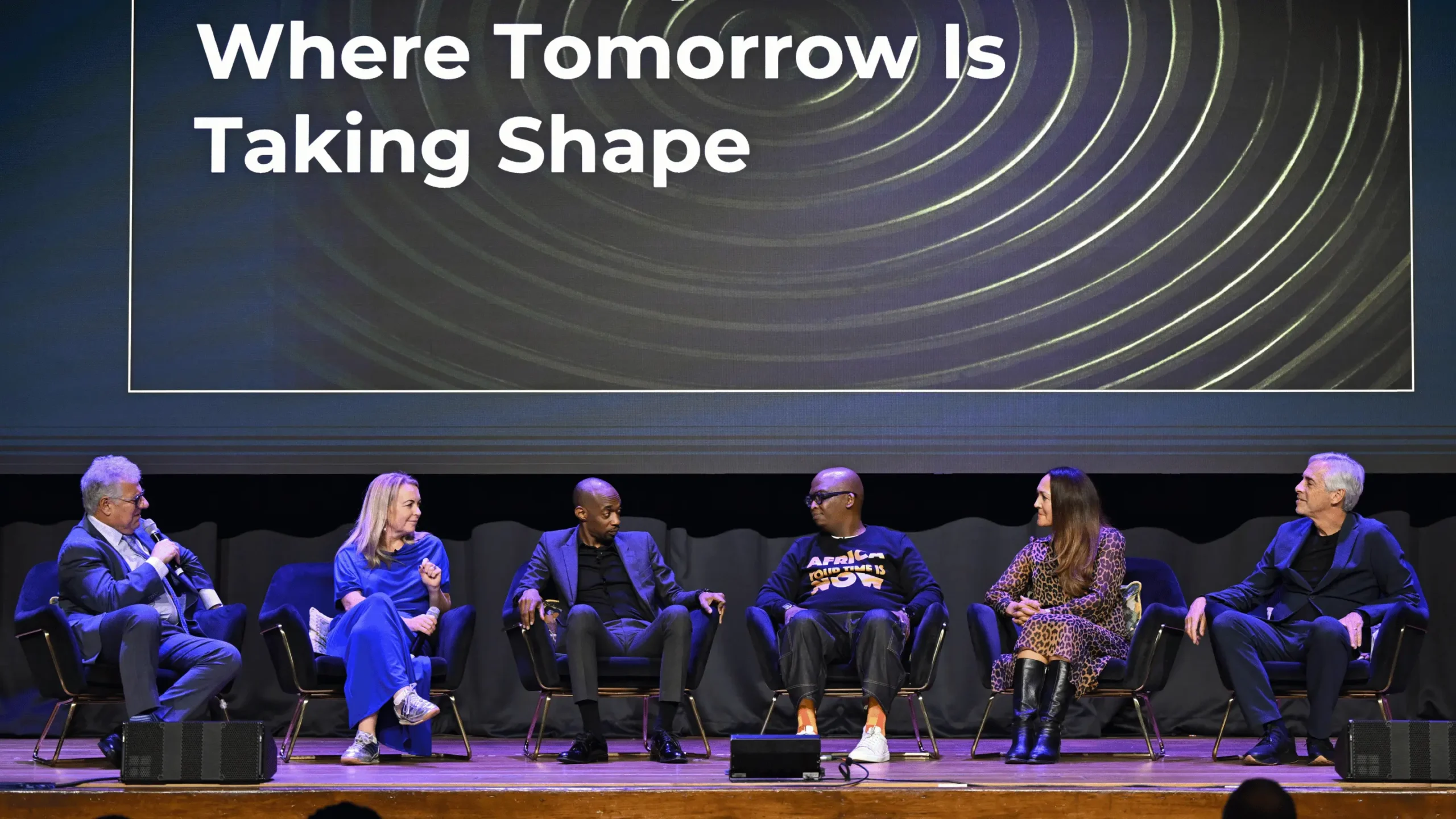
Led by Matt Scheckner, the conversation brought together perspectives from international marketing, technology networks, entrepreneurship and countries that have more to offer than their size might suggest.
Looking beyond your own borders
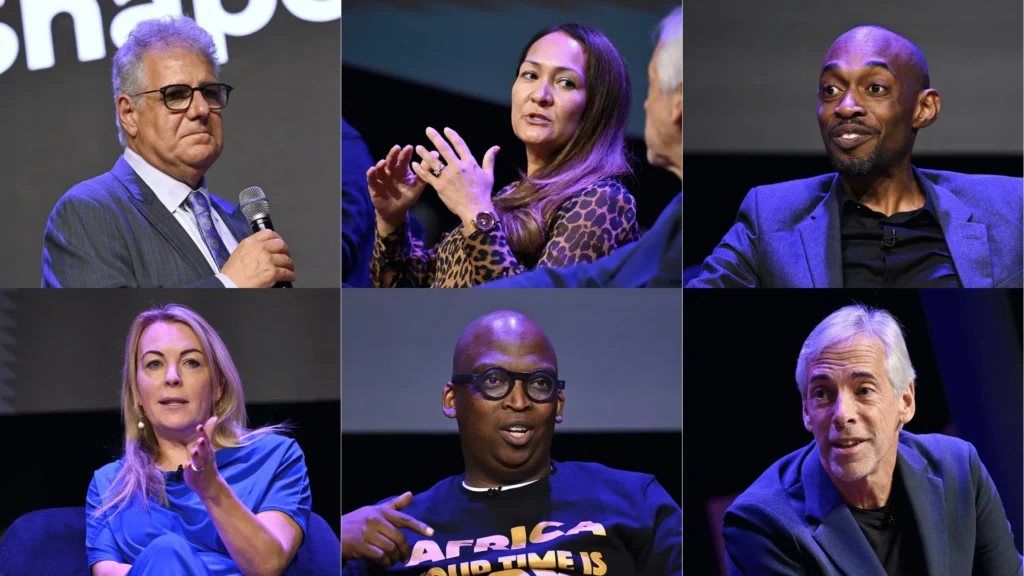
Sophie Devonshire, CEO of The Marketing Society, urged leaders to develop their ‘peripheral vision’. In an environment dominated by dashboards, devices and immediate pressures, it’s easy to miss useful ideas emerging elsewhere.
She made the case for sharing positive examples of businesses and communities adapting successfully, so others can learn from them rather than repeatedly starting from scratch.
Russ Shaw CBE, Founder of Global Tech Advocates, described the network’s expansion from London into dozens of communities worldwide. Those connections create opportunities to learn from different technology ecosystems, from Turkey to rapidly developing networks in Central Asia.
Small nations, global potential
Conrad Mathison, Future Forum’s Global Ambassador for Jamaica, highlighted the country’s extraordinary international influence in music, sport and culture, while also pointing to the infrastructure and investment constraints facing smaller nations.
He argued that cultural success can create opportunities for businesses, manufacturing and new products – provided talented people can connect with partners, markets and resources.
Dr Tumelo Chaka added a perspective on Africa’s changing role. Rather than being treated primarily as a market for products created elsewhere, African communities should be active participants in creating the next generation of businesses and services.
Building opportunities together
Fathima Beckmann discussed work connecting AI, social enterprise and skills development. She pointed to opportunities for entrepreneurs to turn ideas into early products more quickly and for successful approaches to be adapted in other communities.
The discussion also considered how social enterprise can build more sustainable models and why global collaboration matters for inclusive growth.
Across their different perspectives, the contributors shared a challenge: stop assuming that innovation travels in one direction, from large established centres outwards.
Ideas, talent and ambition are already distributed across the world. The more important question is whether we are building the relationships needed to recognise and support them.
Related podcasts
Inside London’s Innovation Hub | Jodie Eastwood on the Future & Why Curiosity Matters
What happens when AI companies, scientists, universities, cultural institutions and local communities become neighbours? Jodie Eastwood, CEO of London’s Knowledge Quarter, believes some of the world’s biggest problems could be solved by bringing very different worlds together. In this episode of Tomorrow: The Future Forum, Jodie joins Oli Barrett MBE…

Universities Are the UK’s Innovation Engine | Vivienne Stern MBE on AI, Skills & the Future of Work
What will universities become in the age of AI? In this episode of Tomorrow: The Future Forum, Oli Barrett MBE sits down with Vivienne Stern MBE, Chief Executive of Universities UK, to explore how universities, technology and the world of work are changing and what the next decade could look…

The Future Needs Human Connection | Martina McDonnell on Marketing, Creativity & Connection
What happens to marketing when AI can translate, create and optimise at a scale we’ve never seen before? In this episode of Tomorrow, the Future Forum, Oli Barrett MBE speaks with Martina McDonnell, International Marketing Director at Meta, about the future of marketing, AI, global brands, creators, cultural relevance and…
Related speakers
-
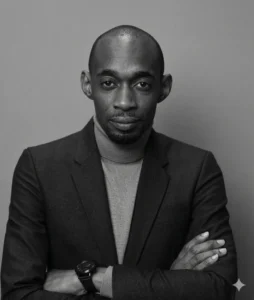
Conrad Mathison Future Forum Global Ambassador for Jamaica and CEO of IPP Group
Conrad’s profile -
Matt Scheckner Founder of Future Forum
A convenor who has spent his career building the rooms where unlikely worlds meet.
Matt’s profile -
Fathima Beckmann Future Forum Global Ambassador for Spain and Founder of AIH Impact Collective
Fathima’s profile -
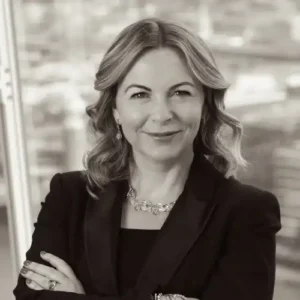
Sophie Devonshire CEO of The Marketing Society
A marketer who left the corporate ladder to learn what leadership feels like when the risk is your own.
Sophie’s profile