





Two days. Countless connections. One shared future.
VIDEO HIGHLIGHTS: Future Forum 2026 brought together people from across industries, disciplines and borders to challenge assumptions, share ideas and...
Ideas, perspectives and provocations from across Future Forum and beyond. From the conversations sparked at our flagship event to fresh thinking shared throughout the year, explore the insights, interviews and reflections challenging assumptions, connecting disciplines and shaping what comes next.
Showing: 16 of 23 results
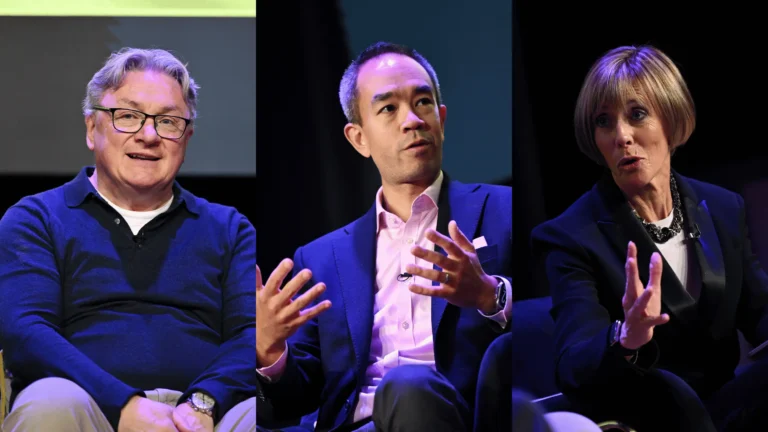
A conversation with Vision Ireland asked what useful, inclusive AI might mean for people with disabilities.
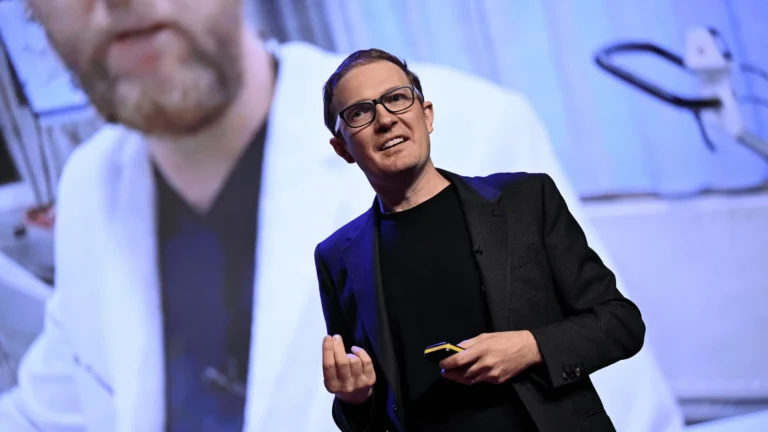
At Future Forum, Henry Coutinho-Mason turned an audience into a collective imagination engine – using AI to bring hundreds of individual ideas into a shared picture of what comes next.
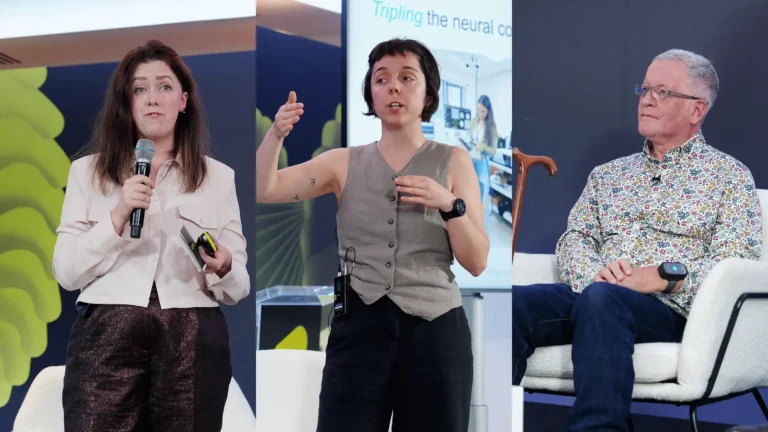
A Future Forum demonstration explored new possibilities for stroke rehabilitation, alongside a personal account of recovery and the importance of widening access to treatment.
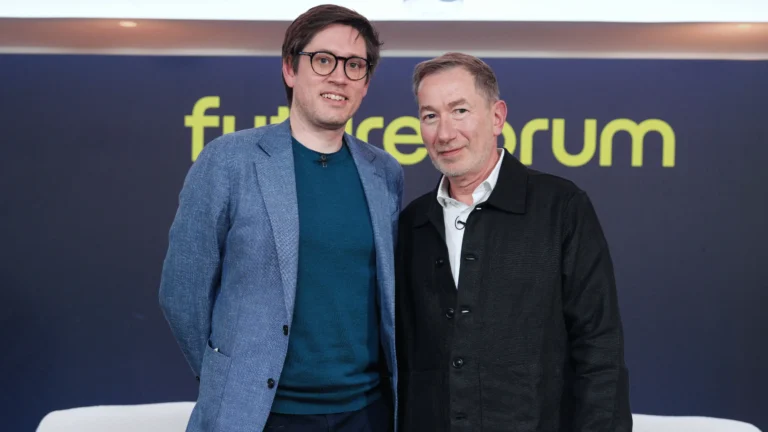
Professor Neil Campbell and Jeremy Silver introduced UCL's new Creative Intelligence Centre at Future Forum, making the case for technology shaped with creative people rather than imposed upon them.
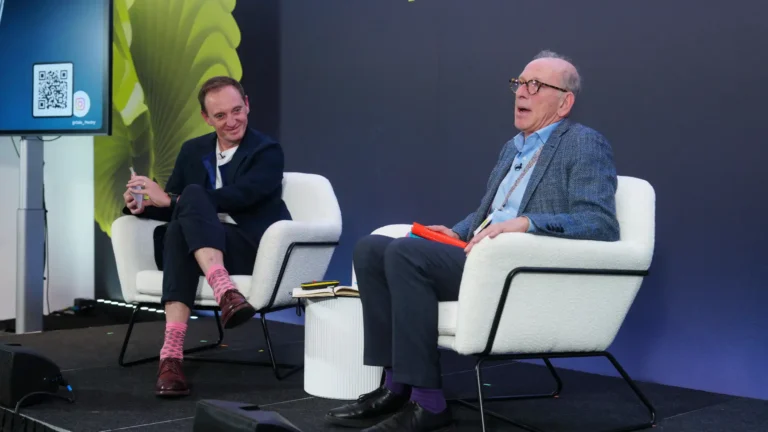
William Sieghart and Mark Eaves introduced Ode, an AI-assisted companion that matches real poems with people's feelings. Their Future Forum conversation asked what happens when new technology opens the door to an old art form.
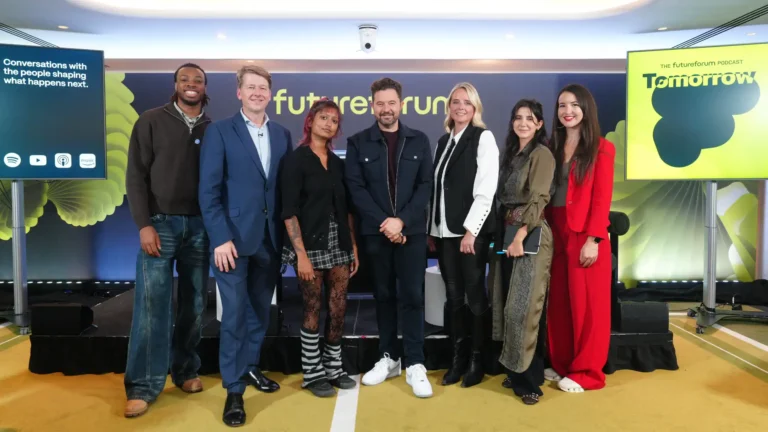
Six speakers took opposing sides in a Future Forum debate about the role of technology in education. The arguments revealed more common ground than the result might suggest.
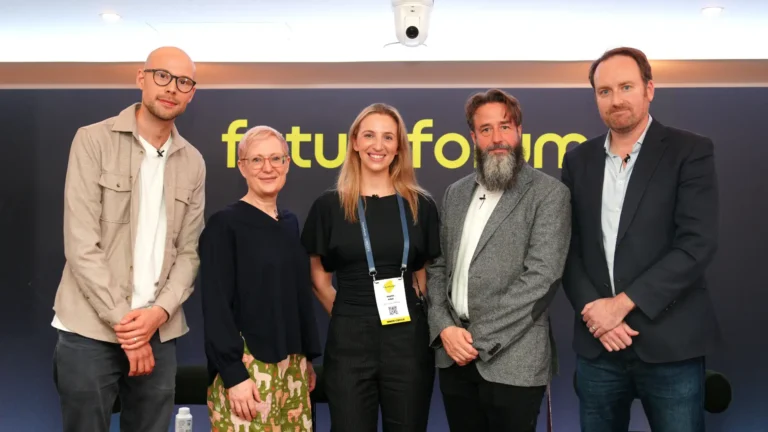
There’s a lot of concern about AI, misinformation, technological disruption and social upheaval, yet societies have negotiated their way through transformative moments before.
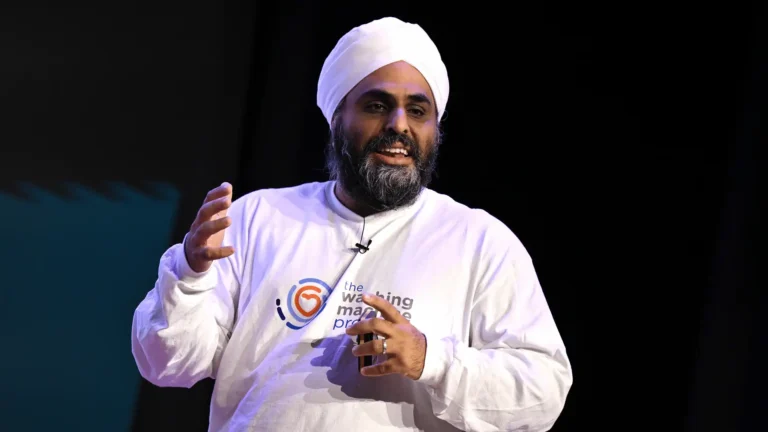
A chance encounter in an Indian village inspired an invention designed to give women back something invaluable – their time. At Future Forum, Dr Navjot Sawhney explained why the best innovation begins with the problem, not the product.
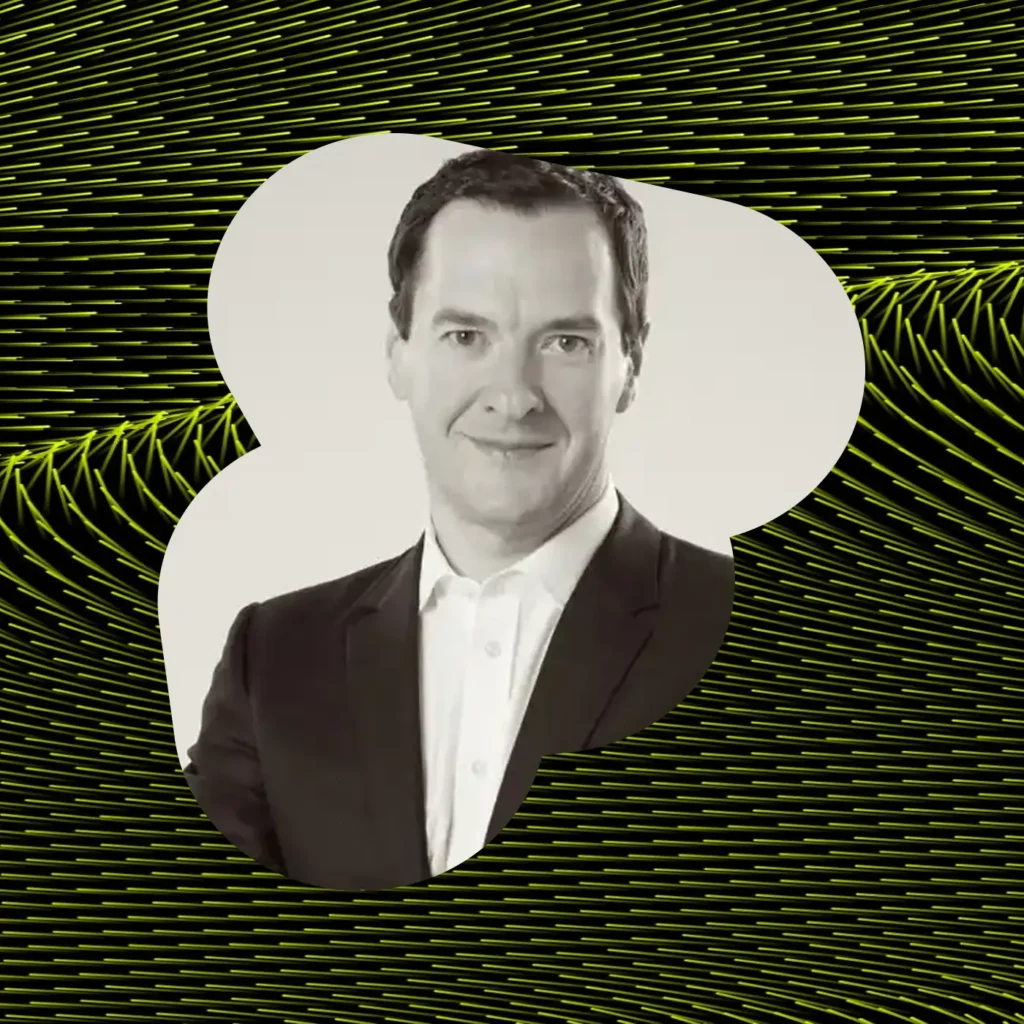
George Osborne: How AI Could Transform Britain, Government & The Global Economy
What happens when artificial intelligence starts transforming not just businesses, but entire countries? On this episode of Tomorrow – The Future Forum Podcast, Oli Barrett MBE sits down with George Osborne, former Chancellor of the Exchequer and now working at OpenAI, to explore how AI could reshape Britain’s economy, government…
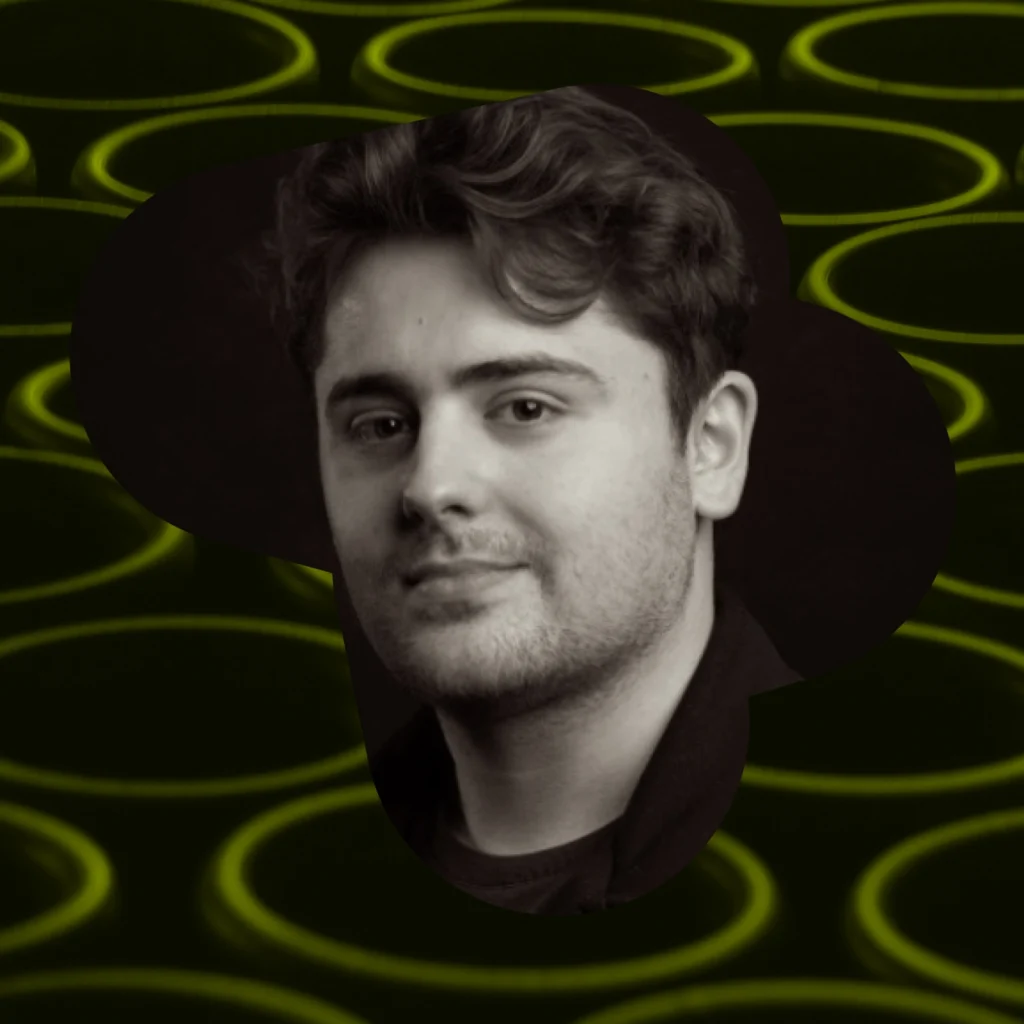
Unlocking Britain’s Hidden Talent | Joe Seddon on The Future of Work & Opportunity
What will the future of work look like in an age of AI? And could artificial intelligence make the job market fairer, or will it reinforce the advantages of those who already have them? On this episode of Tomorrow – The Future Forum Podcast, Oli Barrett MBE speaks with Joe…
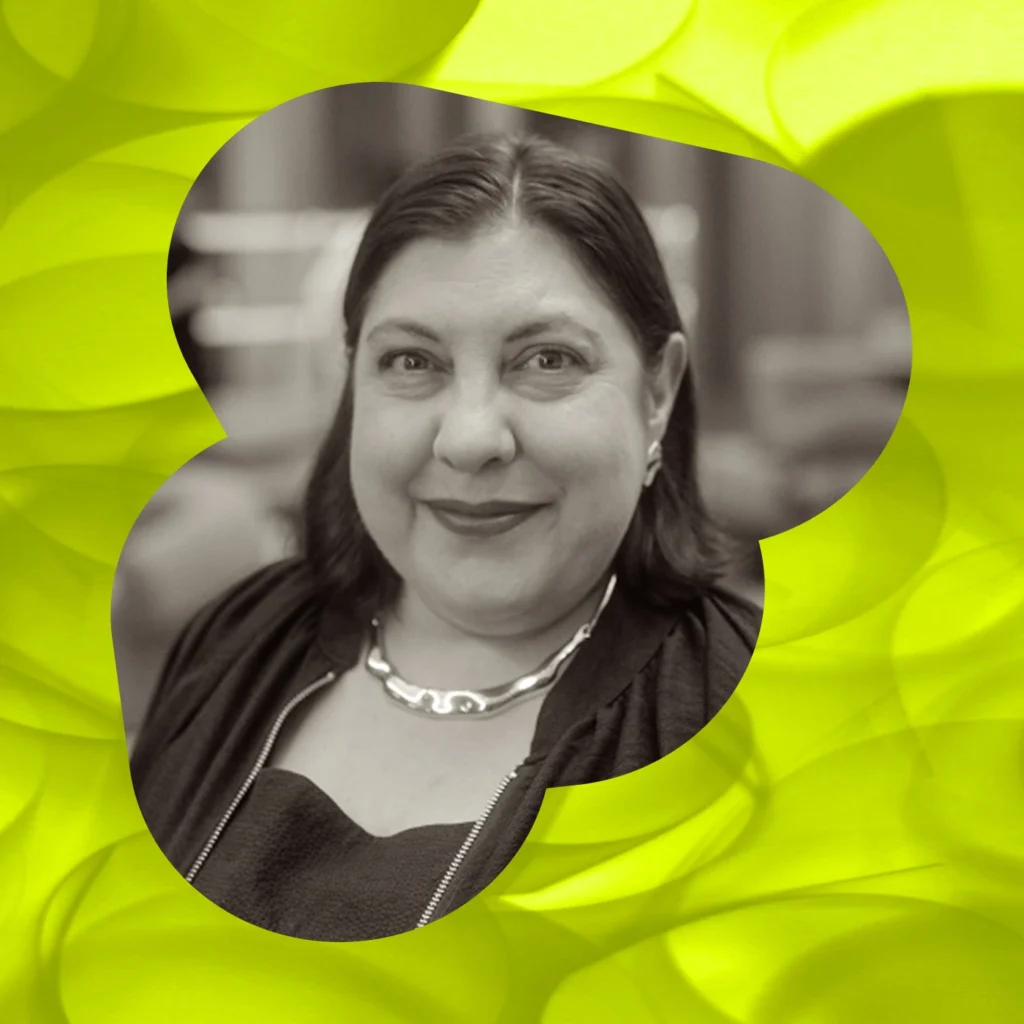
Inside London’s Innovation Hub | Jodie Eastwood on the Future & Why Curiosity Matters
What happens when AI companies, scientists, universities, cultural institutions and local communities become neighbours? Jodie Eastwood, CEO of London’s Knowledge Quarter, believes some of the world’s biggest problems could be solved by bringing very different worlds together. In this episode of Tomorrow: The Future Forum, Jodie joins Oli Barrett MBE…
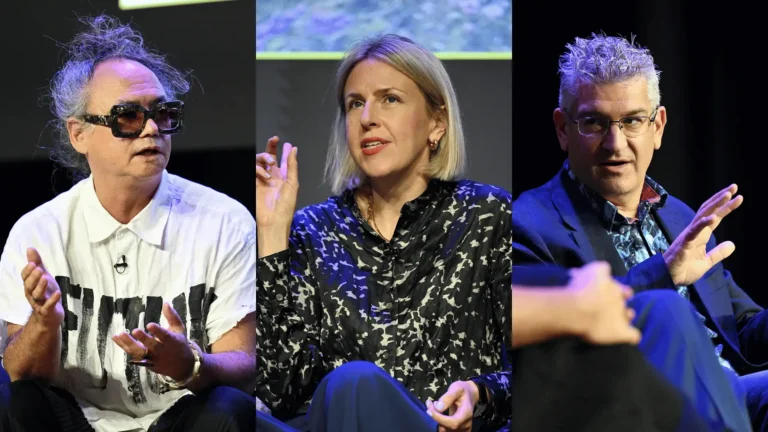
AI promises to make creative work faster and more accessible. But artist Alexandra Daisy Ginsberg and Adobe's Simon Morris asked whether the friction it removes is sometimes the very thing that gives work meaning.
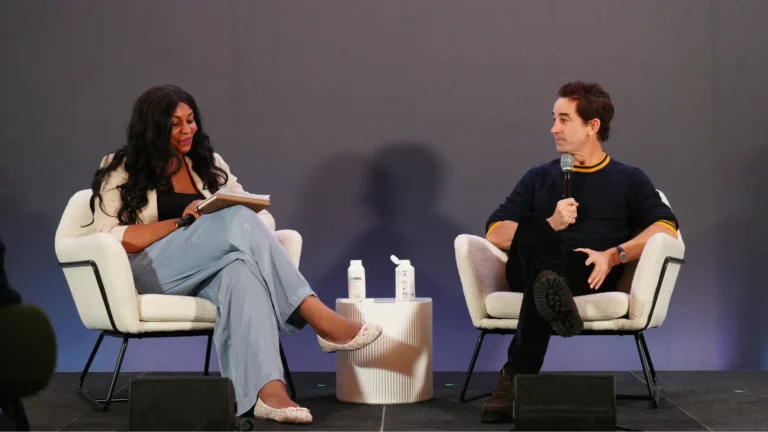
After a near-death experience, Omaze co-founder Matt Pohlson began questioning the fears that shape our choices. At Future Forum, he explored what that change meant for leadership, ambition and making a positive impact.
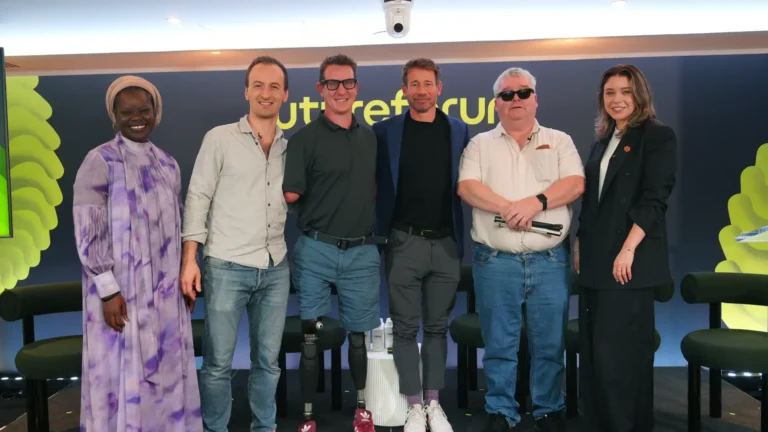
Three conversations: What changes when a pair of glasses can help you navigate unfamiliar places, access information, and complete everyday tasks more independently?
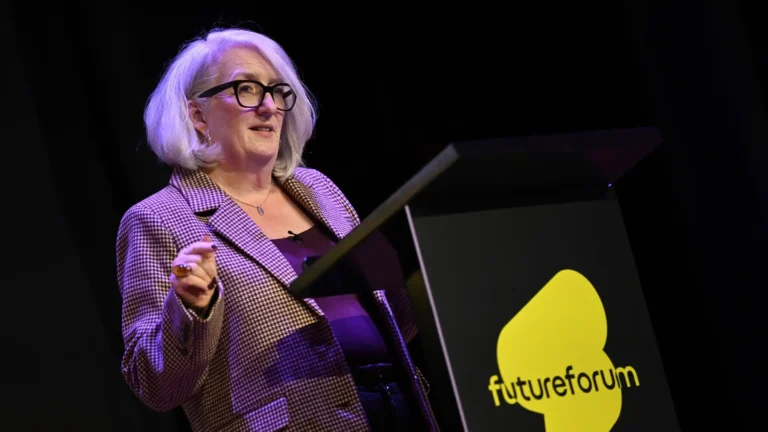
Helenor Gilmour, Head of Beano Brain, shared insights into Gen Alpha, the kids born between 2010 and 2015, who have…
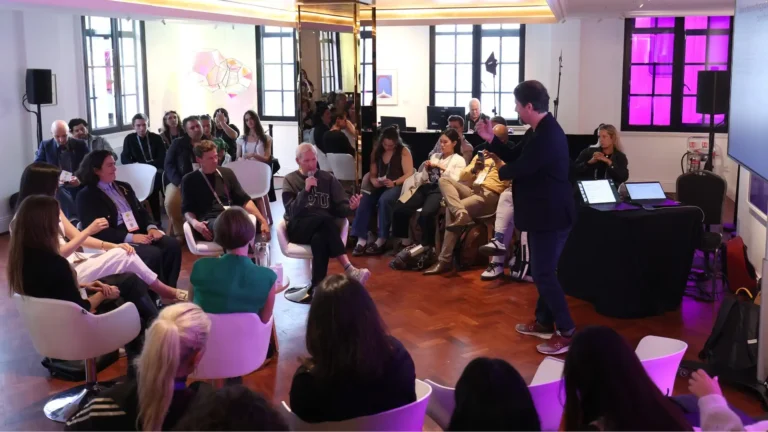
When anyone can make anything, what’s still worth making? Collaboration Architect Georgi Kamov put this question to six creative leaders in a Future Forum Circle exploring creativity in an age of abundance. Here are their takeaways.
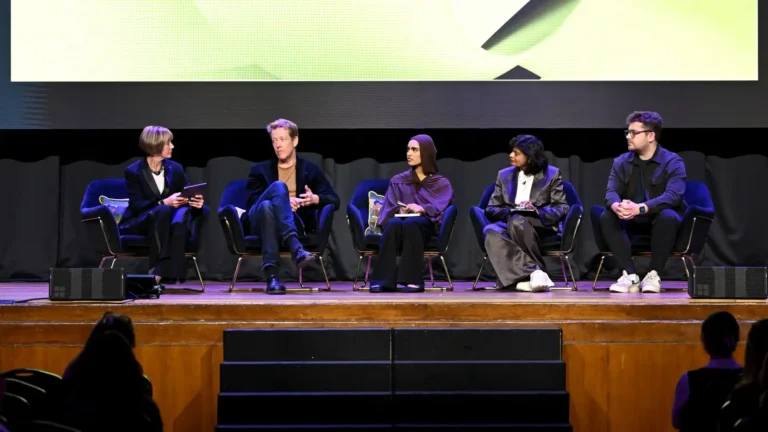
As AI transforms the world of work, we have an opportunity to rethink how we learn, collaborate and develop talent. At Future Forum, leaders from education, business and social mobility explored what it will take to build a more adaptable, inclusive future of work.
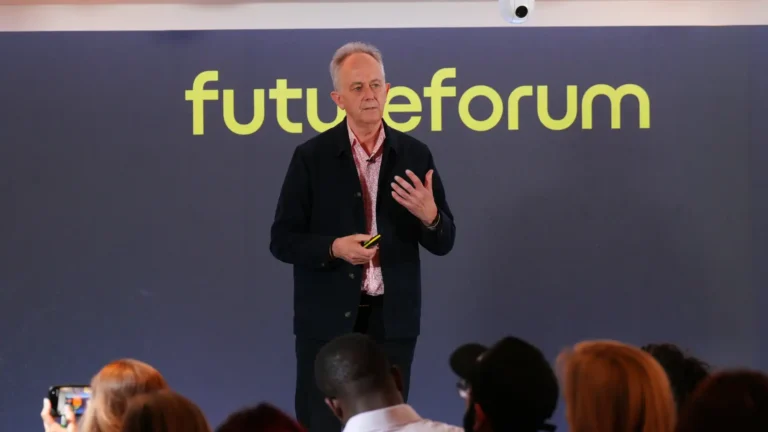
Algorithms are getting better at predicting what we want. But are they making our world less interesting? At Future Forum, Adam Morgan, founder of eatbigfish, explored why surprise could be one of our most powerful tools for creating change.
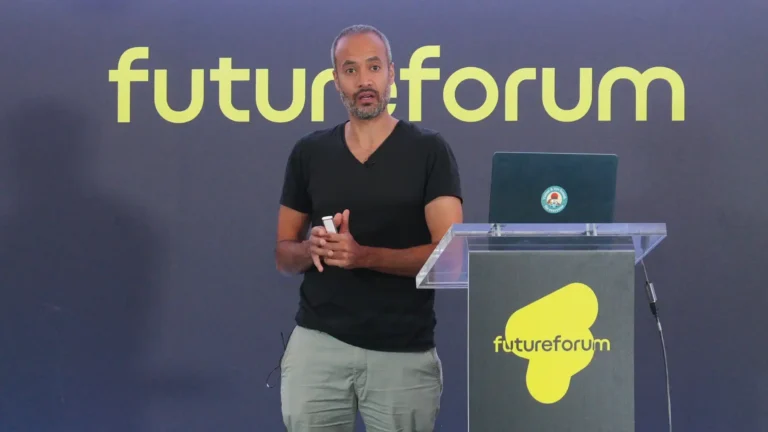
In a world obsessed with efficiency, what happens when we make more time for compassion? Professor Andrew Bastawrous OBE, founder of Peek Vision, shared how listening, empathy and a willingness to question the metrics can transform lives – and why doing less can sometimes achieve more.
No insights found.